Reviewed · TOURS
The Olive Grove Tour
Olive oil country has reached Georgia. At Woodpecker Trail Olive Farm near Glennville, you spend about two hours learning how local olives become certified extra virgin olive oil, then taste the results with the people who produce them. I like the personal touch of a tour led by the farm owners, and I like that the visit goes beyond the grove to include a longleaf pine plantation. The main drawback is timing: tours run only on Saturdays at noon and require an appointment.
This is not a quick stop for a snack of table olives. The farm grows olives for oil, so the visit is best for adults, older children, and anyone curious about flavor, farming, or food production. The guided tasting is the highlight, but you should plan for an off-the-beaten-path outing and confirm the booking details before setting out.
In This Review
- Key points to know before you go
- Reaching the olive farm near Glennville
- Starting with the story of olive oil
- Walking among the olive varieties
- Adding a longleaf pine plantation
- The guided tasting: where the visit comes together
- Is $24 a fair price?
- Who will enjoy this two-hour visit?
- Practical details that can affect your day
- Should you book the Olive Grove Tour?
- FAQ
- Where is the Olive Grove Tour located?
- How long does the tour last?
- When are tours offered?
- Do I need a reservation?
- Is this a private tour?
- Who conducts the tour?
- What will I see during the farm visit?
- What is included in the tasting?
- Can children join the tour?
- Can I cancel for a refund?
Key points to know before you go
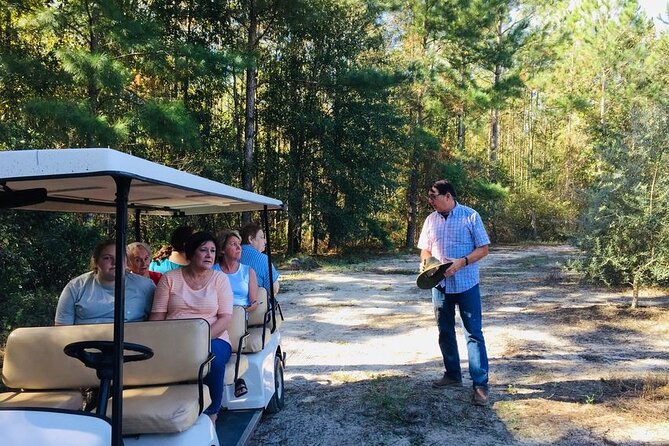
- Farm owners lead the tour: You receive the story and demonstrations directly from the people behind the olive oil.
- Saturday at noon only: Tours are available by appointment, and reservations are required.
- Tasting is part of the visit: You sample olive oils and balsamic vinegar reductions in a guided session.
- The grove is for oil, not eating olives: The farm focuses on producing oil rather than serving table olives.
- The outing lasts about two hours: The visit begins and ends at 2437 GA-121 in Glennville.
- It is a private experience: Only your own group takes part, with mobile tickets accepted and English spoken.
Reaching the olive farm near Glennville
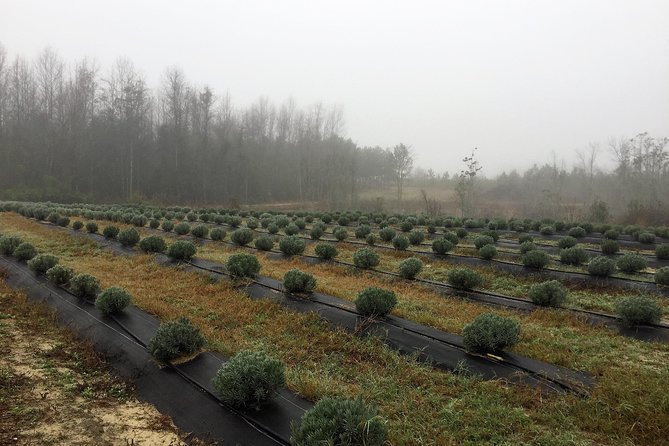
The Olive Grove Tour takes place at 2437 GA-121, Glennville, Georgia 30427. This is a rural stop, not a downtown attraction, so it works best as part of a wider drive through southeast Georgia or as a planned side trip from the surrounding area.
You meet at the farm, and the experience finishes at the same place. That simple arrangement matters in the country, where a tour may otherwise involve confusion over parking areas, shuttle points, or separate tasting rooms. Here, you arrive at the listed address, meet the owners, and follow the visit from there.
The tour is offered in English and uses a mobile ticket. Since it is private, your group is not folded into a large scheduled crowd. That can make the farm visit feel more relaxed and personal, especially when you want to ask about olive varieties, oil production, or the care of the trees.
The schedule is the part that demands the most attention. Tours generally begin at 12:00 p.m. on Saturdays, and appointments are required. You should not count on dropping by during a drive. The farm can be a good fit for a Saturday itinerary, but only if you arrange the visit ahead of time.
Other ways to spend a day out of Georgia:
- Cumberland Island Walking Tour
★ 5.0 · 71 reviews - Make a Custom Perfume! 2-hour Workshop in Alpharetta, GA.
★ 5.0 · 31 reviews - The Ultimate Stranger Things Guided Tour
★ 5.0 · 25 reviews
Starting with the story of olive oil
The tour begins with the basics, but these are useful basics. You learn about the history of olive oil and why the phrase extra virgin matters. Many shoppers see those words on a bottle without knowing what they signify, so this part gives the tasting a clear purpose.
You also hear about the production of the farm’s certified olive oils. That turns the visit from a simple country outing into a look at how the product is made and labeled. Rather than tasting oil without context, you first learn what the farm is trying to produce and how quality is judged.
The owners conduct the tour themselves. Curtis responds to guests personally, and that owner-led approach is one of the strongest reasons to choose this experience. You are not simply shown around by someone following a script. The visit connects the farm, the trees, and the bottle of oil you may later buy.
The information is likely to appeal most to curious adults and older children. Young children are welcome, but the farm tour is described as better suited to adults and older children. That is a useful warning, not a ban. If your child enjoys asking questions about plants, food, or machinery, the visit may work well. If you need a highly active attraction, two hours of farm discussion and tasting may feel slow.
Walking among the olive varieties
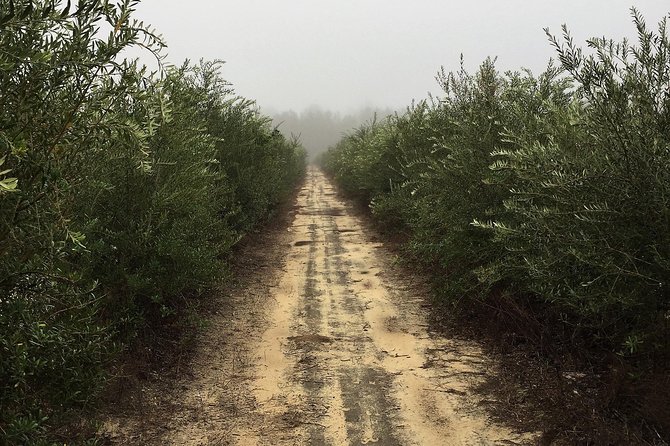
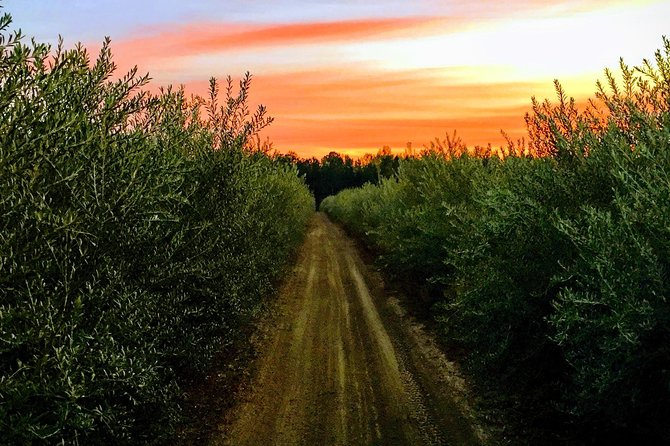
The grove gives the tour its sense of place. You visit the trees, look at different olive varieties, and learn how the farm cares for them. This is a chance to see the raw material before it becomes an ingredient in a bottle.
The variety of trees matters because olives are not all alike. Their differences affect the oil’s flavor and character, which becomes easier to understand during the later tasting. You may begin to notice why oils can have different aromas, levels of bitterness, and peppery finishes even when they all come from olives.
The setting also offers something that a shop tasting cannot. The trees are part of a working farm, and you see the agricultural side of the product rather than only the finished bottle. One useful detail from the experience is that this is an oil farm, not a place where you go to eat cured olives. If you are hoping for bowls of table olives, adjust your expectations.
The grove has its own visual appeal. Olive trees are graceful, and the farm setting gives the visit a quiet rhythm. You are not rushing from one display to the next. Instead, you move from the explanation of oil to the trees that make it possible.
That slower pace is a plus for some people and a limitation for others. I would choose this stop if I wanted an easy, thoughtful break during a rural Georgia drive. I would skip it if I wanted a packed attraction with many separate activities.
Adding a longleaf pine plantation
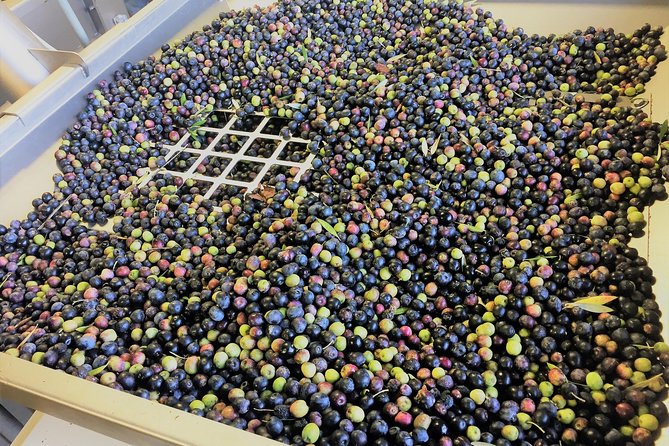
The itinerary continues beyond the olive trees to a longleaf pine plantation. This is an unexpected but welcome part of the visit. It broadens the tour from one specialty crop to the wider agricultural setting of the farm.
The plantation also helps show that the property is not just a tasting room with decorative trees out front. You get a sense of the land being managed in more than one way. Since the tour is led by the owners, this portion may also give you a better feel for the work involved in caring for a rural property.
The available information does not promise a long hike or a separate nature walk, so you should think of the plantation as one stop within the farm tour rather than a strenuous outdoor activity. The entire visit is planned for about two hours, with the grove, plantation, educational material, and tasting all fitting into that time.
For me, this makes the tour more rounded. You learn about the food product, see the trees, and then connect the farm to its larger setting. It is a small detail, but it keeps the outing from feeling like a sales pitch built around a single bottle.
A slower pace, same corner of the Caucasus:
- St. Marys Murder, Mayhem, and Martinis Walking Tour
★ 5.0 · 13 reviews - Atlanta: Interrogation Escape Room
★ 4.5 · 13 reviews - Atlanta: Cartel Escape Room
★ 4.0 · 12 reviews - Enchanting Ellijay Scavenger Hunt
★ 4.5 · 11 reviews
The guided tasting: where the visit comes together
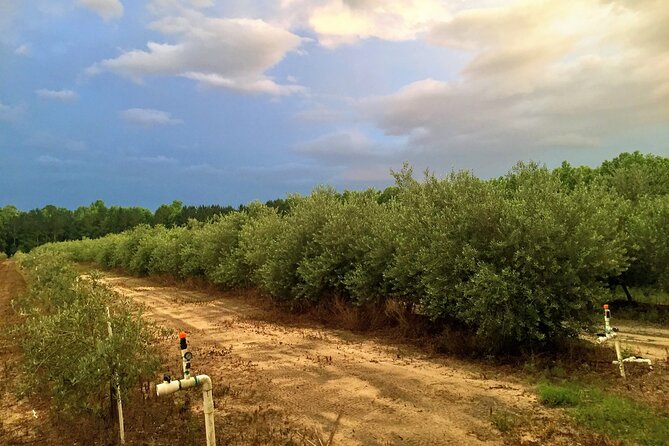
The tasting is the part I would look forward to most. You sample the farm’s olive oils and balsamic vinegar reductions with guidance from the owners. That structure is important because it gives you a way to compare flavors instead of simply taking a sip and guessing what you are supposed to notice.
A tasting can change how you shop for oil. You may pick up different nuances from one oil to another, then understand why freshness, variety, and production methods matter. The farm’s products are the subject of the tour, but the tasting is also a practical lesson in using your own senses.
The balsamic reductions add contrast. Olive oil has its own range of flavors, while a sweet and concentrated reduction gives you another taste to consider. Together, they make the final part of the visit more varied than an oil-only sample.
You can purchase the farm’s first press EVOO at the end. That gives the tour a useful souvenir option. Instead of leaving with a generic gift from a shelf, you can take home a product tied directly to the grove you just visited.
One particularly appealing idea is to bring bread, herbs, and a bottle of wine if you want to make a peaceful pause around the tasting area. The farm information does not promise a formal picnic or a meal, so treat that as a personal suggestion rather than a built-in part of the tour. Still, bread and olive oil are a natural match, and the calm farm setting seems suited to lingering if the owners allow it.
The tasting is also where the tour earns its price. A bottle alone would be a purchase, but the visit gives you the background to understand what you are buying. If you already enjoy cooking with olive oil, this makes the experience more than sightseeing.
Is $24 a fair price?
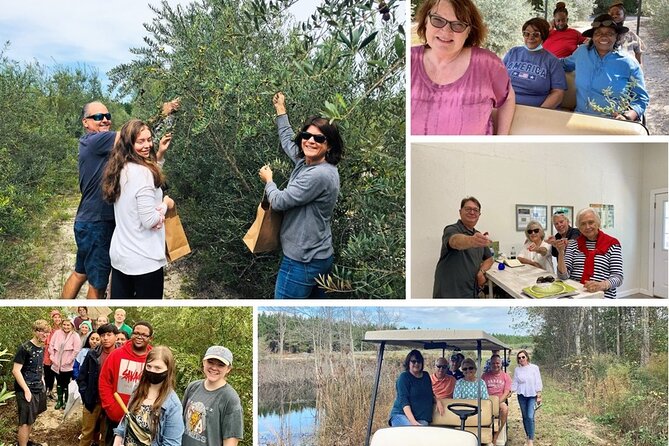
The listed price is $24 per person, which is reasonable for a private, owner-led, two-hour farm visit that includes education, a grove tour, and a guided tasting. You are paying for time and access, not just admission to a patch of trees.
The value improves if you enjoy food traditions or plan to buy oil at the farm. You get an explanation of extra virgin olive oil, a look at production, and samples before deciding whether to purchase a bottle. That lets you make a more informed choice than buying an unfamiliar regional product without tasting it.
There is one pricing detail to check carefully if you are visiting with children. Children who take part in the tour and tasting are charged the full $35 fee, while children aged five and under are free. The adult price supplied for the experience is $24, so the child pricing should be confirmed when you reserve. The difference may affect the total for a family group.
For a couple or a small private group, the price feels especially fair because you are not sharing the experience with strangers. For a large family, the child charge may make the outing less of a bargain. Either way, the farm visit offers more substance than a short tasting counter stop.
Who will enjoy this two-hour visit?
I would recommend the tour to people who like meeting producers, learning how food is made, and taking a slower country detour. It is a good match for couples, small private groups, food-focused visitors, and adults who want something different from standard attractions.
Older children may also enjoy it, especially if they are interested in plants or the process behind everyday ingredients. Children under five can attend free, but the tour itself may not hold their attention for two hours. The farm clearly welcomes children, yet its format is better suited to an older audience.
You should also choose this tour if you enjoy tastings that ask you to pay attention. The point is not simply to consume olive oil. You learn about flavor differences, production, and nutritional importance, then taste with that information in mind.
I would be less likely to recommend it to someone who wants to eat olives, take a quick photo, or fill a busy afternoon with constant activity. This is a focused farm experience. Its appeal comes from the owner’s explanations, the grove, the plantation, and the tasting, not from a long list of attractions.
Practical details that can affect your day
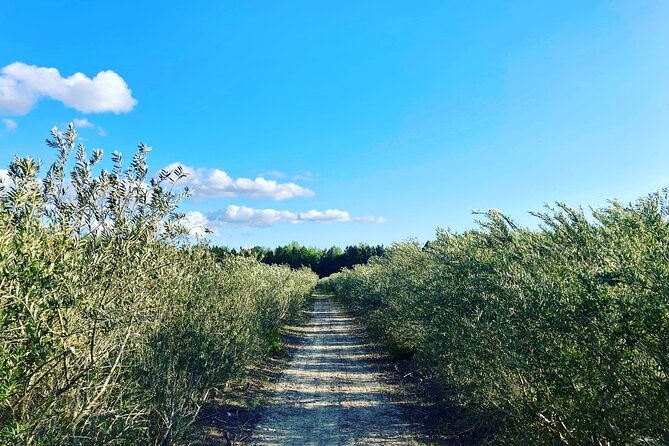
Reserve ahead because the tour is appointment only. It generally runs on Saturdays at noon, so build your schedule around that fixed start rather than hoping to fit it in at the last minute.
The experience lasts about two hours and ends at the meeting point. That makes it easy to pair with other plans in the area, but you should allow extra time for driving to Glennville and for any time you spend browsing or buying oil afterward.
The tour requires good weather. If conditions are poor and the farm cancels, you are offered another date or a full refund. You can also cancel for a full refund if you do so at least 24 hours before the start time. Cancellations or changes made less than 24 hours ahead are not refunded or accepted.
Most people can participate, according to the available tour information. No detailed accessibility information is provided, so if your group has specific mobility needs, contact the farm before booking rather than assuming every part of the property will suit you.
Should you book the Olive Grove Tour?
Book it if you want a personal look at Georgia olive farming and a tasting that teaches you what you are sampling. The owners, the different olive varieties, the longleaf pine plantation, and the chance to buy first press EVOO give the visit a clear sense of purpose.
Skip it if you want table olives, a flexible schedule, or a high-energy attraction. The Saturday noon appointment and rural location require planning, and the farm tour is aimed more at adults and older children than very young kids.
For the right visitor, this is a thoughtful two-hour stop with real local character. Bring your curiosity, arrive on time, and consider bringing bread and herbs for the tasting if the farm permits it. You may leave with a bottle, but the better souvenir is knowing how to taste and judge olive oil for yourself.
FAQ
Where is the Olive Grove Tour located?
The tour begins at 2437 GA-121, Glennville, Georgia 30427, USA.
How long does the tour last?
The experience lasts approximately two hours.
When are tours offered?
Tours generally begin at 12:00 p.m. on Saturdays.
Do I need a reservation?
Yes. The tour is available by appointment only, and reservations are required.
Is this a private tour?
Yes. Only your own group participates in the activity.
Who conducts the tour?
The farm owners personally conduct the tour. Curtis responds to visitors on behalf of the farm.
What will I see during the farm visit?
You learn about olive oil, visit the olive grove to see different varieties, and continue to a longleaf pine plantation.
What is included in the tasting?
The guided tasting includes the farm’s olive oils and balsamic vinegar reductions.
Can children join the tour?
Children are welcome, though the farm tour is better suited to adults and older children. Children aged five and under are not charged, while children who take part in the tour and tasting are charged $35.
Can I cancel for a refund?
You can cancel at least 24 hours before the start time for a full refund. Poor weather cancellations offer a different date or a full refund.
Just added near Georgia
- Fugitives, Fighters, and Fudge: St. Marys Walking Tour★ 5.0 · 10 reviews
- 1,5 Hours Tea House and Tea Garden Trip in Ozurgeti Georgia★ 5.0 · 8 reviews
- Marietta Ghosts of Christmas Past Walking Tour★ 5.0 · 10 reviews
- Ocmulgee Mounds Smartphone (GPS/APP) Guided History Walking Tour★ 5.0 · 2 reviews
- Full-Day Private Wilderness Tour in Vashlovani National Park★ 5.0 · 10 reviews
- St. Marys Murder, Mayhem, and Martinis Walking Tour★ 5.0 · 13 reviews
- 3000′ Discover Hang Gliding Tandem Flight with a Instructor★ 5.0 · 5 reviews
- Full Day Self Guided Tour in Bell Mountain via Slingshot★ 5.0 · 3 reviews
Tours, compared.

Highlights of Caucasus Mountains-Jinvali,Ananuri,Gudauri,Kazbegi(Group tour)
Read our review →
Kakheti Wine Region Tour with 9 Wine Tastings
Read our review →
Mtskheta, Jvari, Gori and Uplistsikhe Day Tour
Read our review →
Kakheti Wine Region Tour with 10 Wine Tastings
Read our review →
Tbilisi Walking Tour Including Cable Car and Traditional Bakery
Read our review →