
Reviewed · KAKHETI WINE TOURS
Wine Tasting feel the Difference of Qvevri or Classical Wine
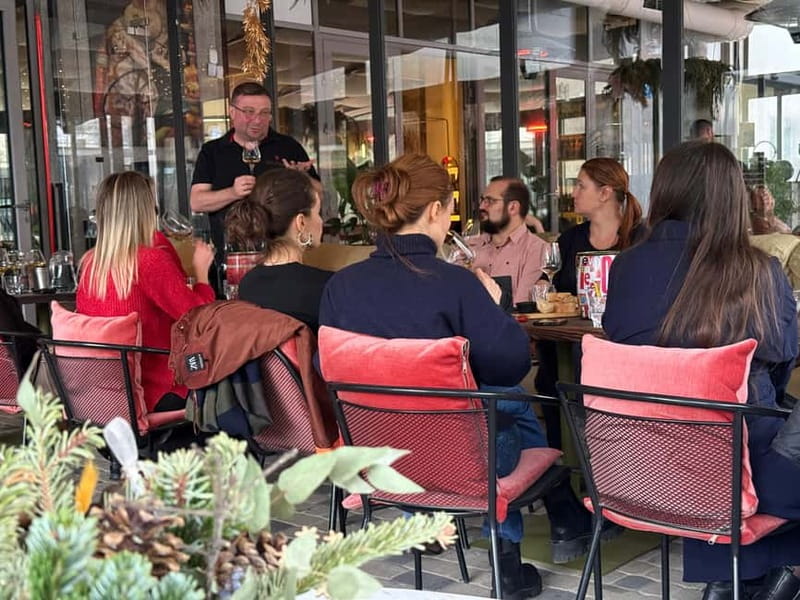
Georgian wine tells a different story. In central Tbilisi, this 1.5-hour tasting pairs four local wines with traditional snacks while a sommelier explains the country’s famous qvevri method. I especially like the small-group format, limited to 10 people, and the setting inside an old Georgian courtyard. The chance to compare orange wine with classically made Georgian wine makes this more than a simple drink stop.
I also like the personal instruction from working sommeliers, including Izveta and Katia, who have been praised for their warmth and clear explanations. The main drawback is finding the place: St. Bunny sits inside a courtyard, and the entrance can be confusing if you do not spot the sign on the security booth.
In This Review
- Key Points to Know Before Booking
- Why Georgian Wine Deserves a Tasting
- Entering St. Bunny’s Old Courtyard
- Four Georgian Wines, Two Winemaking Traditions
- Traditional Snacks That Make the Tasting Work
- What the 1.5 Hours Feels Like
- The Sommelier Makes the Difference
- Is $25 Good Value in Tbilisi?
- Who Will Enjoy This Tasting Most?
- Practical Tips for a Smoother Visit
- FAQ
- Where does the wine tasting take place?
- How long does the experience last?
- How many wines are included?
- What food is included?
- Is a sommelier included?
- Which languages are available?
- Is the activity suitable for children?
- Can I cancel for a full refund?
Key Points to Know Before Booking
- Qvevri wine is the main lesson: You compare wine made in Georgia’s traditional buried clay vessels with more familiar classical methods.
- Four wines are included: The tasting focuses on Georgian grape varieties and local winemaking traditions.
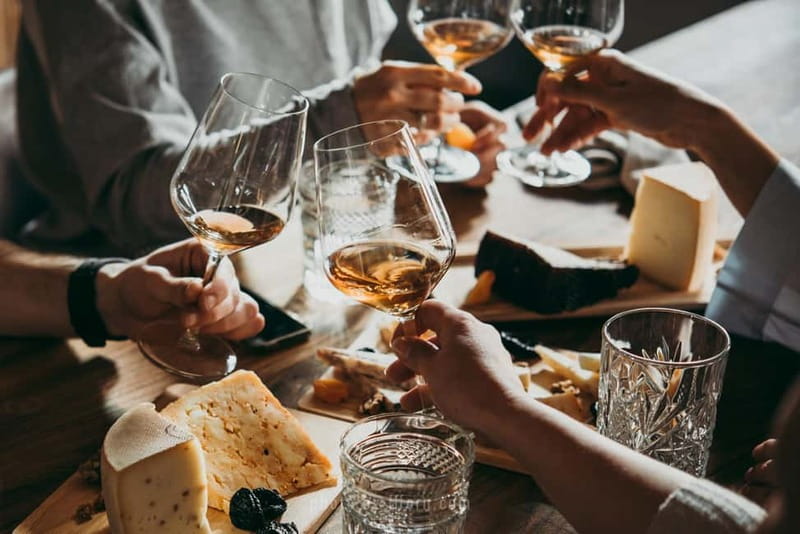
- Cheese, nuts, and fruit accompany the wine: The snacks help soften strong flavors and give you something practical to eat.
- The setting is part of the experience: St. Bunny is inside an old Georgian courtyard in central Tbilisi.
- The group is capped at 10 people: That gives you a better chance to ask questions than at a large commercial tasting.
- Allow extra time to find the entrance: Look for the sign hanging on the security booth before the barrier.
Why Georgian Wine Deserves a Tasting
Georgia has one of the world’s most distinctive wine traditions. The central idea here is qvevri, a large clay vessel used to ferment and store wine. The method produces wines that can look and taste very different from the pale whites and familiar reds found on most restaurant lists.
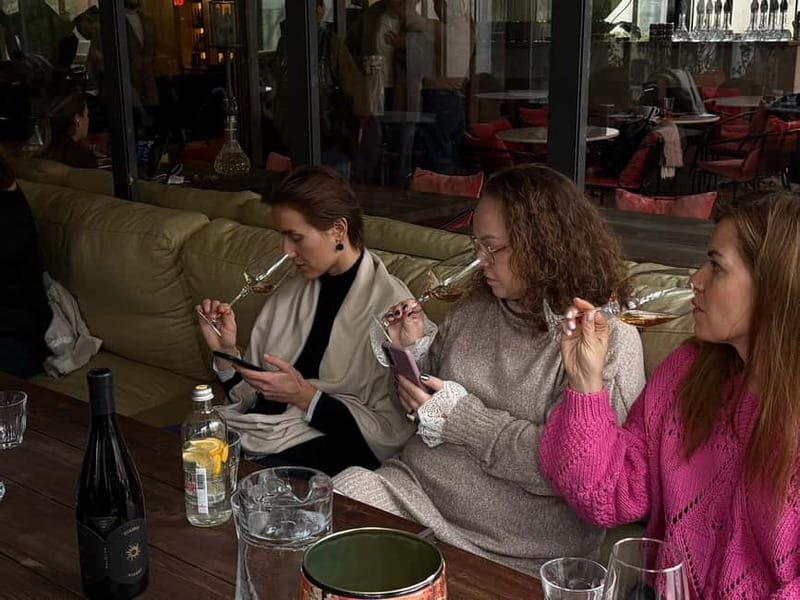
The tasting is built around that contrast. You are not simply handed four glasses and left to guess what you like. The sommelier explains how the qvevri method works, then sets it beside classical wine made from Georgian grapes.
That comparison is valuable because orange wine can surprise people. It is not made from oranges. It is usually white wine made with extended skin contact, which gives it a deeper color and more structure. In the qvevri tradition, the wine may also pick up earthy, savory, and tannic notes that are new to anyone used to light European whites.
The experience presents qvevri production as a defining Georgian tradition, protected through UNESCO recognition. Your sommelier can explain the method while you taste it, which is far more useful than reading a short description on a menu.
More Wine Tours in Tbilisi
- Day Trip to Kakheti Wine Region Including 9 Wine Tastings
★ 5.0 · 2,774 reviews - From Tbilisi: Kakheti Wine Region Tour with 9 Wine Tastings
★ 4.9 · 2,541 reviews - Tbilisi: Kakheti Wine Region Tour with 10 Wine Tastings
★ 5.0 · 2,160 reviews
Entering St. Bunny’s Old Courtyard
The meeting point is St. Bunny, a restaurant located inside a courtyard in central Tbilisi. You do not simply walk up to a prominent street-front wine bar. Instead, look for the barrier and the security booth at the entrance. A sign hangs on the booth and points you toward the restaurant.
This detail matters. The location description can be easy to miss, and the restaurant name may not be obvious from the street. I would arrive a little early and keep the venue name, St. Bunny, ready on your phone. If you reach a barrier and see the security booth, you are in the right place.
Once inside, the courtyard setting gives the tasting a more local feel than a polished hotel room. The old Georgian courtyard atmosphere is one of the experience’s strongest features. It makes the wine lesson feel connected to Tbilisi rather than separated from the city.
The venue is also described as wheelchair accessible. Since the restaurant is inside a courtyard, you may still want to confirm the exact route and access arrangements when booking if you need specific assistance.
Four Georgian Wines, Two Winemaking Traditions
The tasting includes four types of Georgian wine. The exact bottles and grape varieties are not fixed in the information provided, so you should expect the selection to depend on the sommelier and current availability.
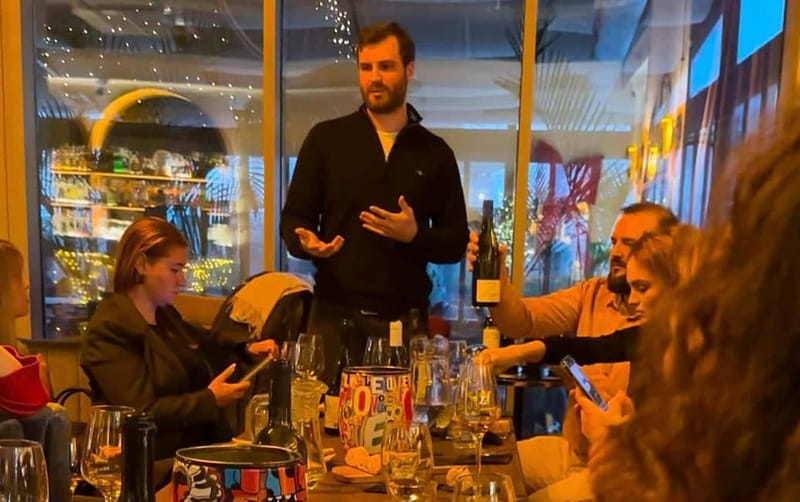
The point is not to collect four unrelated pours. The class is designed to show the difference between qvevri and classical wine. Your sommelier explains the production method, then gives you a chance to notice how winemaking changes the color, aroma, texture, and finish.
A classical Georgian wine may feel more familiar if you normally drink European-style wine. Qvevri wine can be more adventurous, especially if you have not tried orange wine before. The experience gives you a useful way to compare the two instead of treating Georgian wine as one single style.
Pay attention to the wine’s texture as much as its flavor. New drinkers often focus on whether a wine tastes fruity or dry. Here, you can also ask why one glass feels fuller, more tannic, more earthy, or more structured than another.
The sommelier-led format helps with that. Previous sessions with Izveta and Katia have been praised for clear explanations, patience, and attention to small details. That matters in a tasting, since a good guide helps you form your own opinion rather than telling you which glass you are supposed to like.
Traditional Snacks That Make the Tasting Work
The included food is simple and well chosen: traditional cheeses, nuts, and fruits, with water provided. This is not a full meal, but it is enough to make the wine tasting more comfortable and useful.
Cheese gives you a way to see how food changes wine. Nuts can make a dry or tannic wine feel different, while fruit offers a fresh contrast. You do not need a large buffet for this kind of class. A few well-matched bites are often more helpful than a plate crowded with unrelated foods.
One tasting included an especially well-received cheese platter, and the food pairing appears to be a meaningful part of the session rather than an afterthought. If you want more food or another drink, additional items may be available at the restaurant’s menu prices.
That last point is worth remembering. The $25 price covers the four wines, snacks, water, and the sommelier conversation. It does not cover extra dishes or drinks ordered separately.
More Kakheti wine days from Tbilisi:
- Kakheti Wine Region: Signagi and Bodbe Tour with 10 Wine Tastings
★ 5.0 · 1,019 reviews - Kakheti;City of Love Sighnaghi, Bodbe. KTW. Wine House Group tour
★ 5.0 · 376 reviews - Kakheti: Bodbe, Sighnaghi, Telavi Wine Tour from Tbilisi
★ 5.0 · 307 reviews - Day tour to Kakheti wine region Georgia
★ 4.5 · 223 reviews
What the 1.5 Hours Feels Like
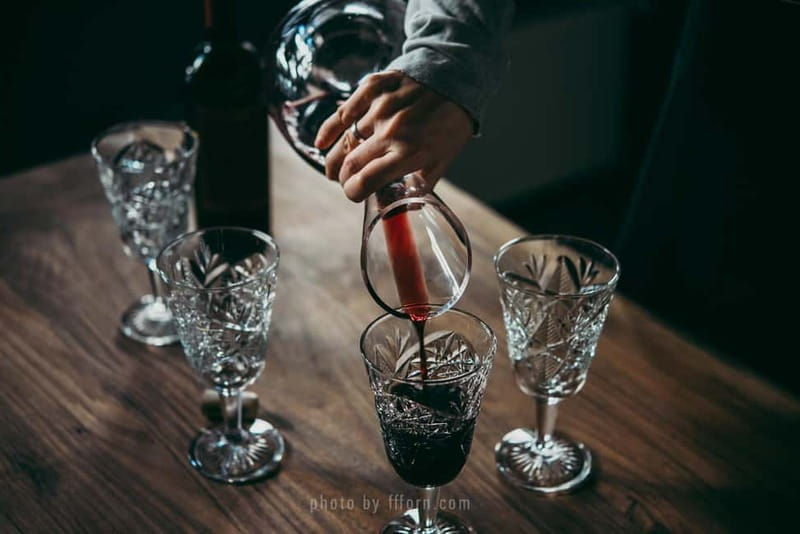
The advertised duration is 1.5 hours. That is a sensible length for four wines and a guided conversation. You have enough time to listen, taste, ask questions, and compare glasses without turning the session into an all-day event.
One itinerary description gives the activity a 2.5-hour duration, so the timing is not perfectly consistent. I would plan around 1.5 hours and confirm the start time when you reserve. If you have a dinner booking or an evening performance, avoid scheduling them too tightly.
The session begins at St. Bunny, where you are seated for the tasting and class. The sommelier introduces Georgian winemaking, explains qvevri production, and discusses classical wine made from local grapes.
The tasting then moves through four wines, supported by cheese, nuts, fruit, and water. The exact order is not specified, but your guide should help you compare the wines instead of drinking them as four separate samples.
The small group limit is important here. With no more than 10 people, the sommelier can usually respond to individual questions. That makes this a better choice for someone who wants to understand wine than for someone looking only for a quick social drink.
The Sommelier Makes the Difference

The most praised part of this experience is the human instruction. Izveta has been described as warm and very well informed, while Katia has earned praise for explaining details carefully and helping people feel comfortable with Georgian wine.
That personal style is especially useful if you are new to qvevri wine. The vocabulary can become confusing quickly: clay vessels, skin contact, orange wine, Georgian grape varieties, and classical production all appear in the same conversation. A patient sommelier keeps the subject grounded in what is actually in your glass.
You can also ask practical questions. Which wines are best with Georgian food? What makes a qvevri wine different from a classical version? How should you describe the taste to someone who has never tried it? The format is made for that kind of exchange.
The experience is offered in English and Russian. That makes it accessible to a wider range of visitors, but you should choose the language you are most comfortable using when booking.
There is one important caution about organization. At least one booking had a serious communication problem, with the venue not expecting the person to arrive. Another person was initially directed to the wrong address before staff corrected the mistake. These incidents appear unusual compared with the otherwise positive sessions, but they explain why confirming the meeting point is sensible.
Is $25 Good Value in Tbilisi?
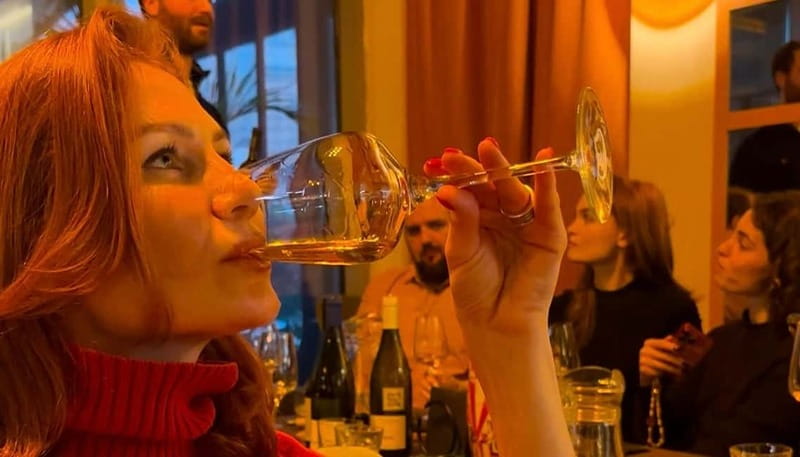
At $25 per person, the value is solid if you want more than four casual samples. The price includes four Georgian wines, traditional cheese, nuts, fruit, water, and a conversation with an experienced sommelier.
You are also paying for context. A bottle or glass at a restaurant gives you a drink, but not necessarily an explanation of qvevri production or a structured comparison with classical wine. Here, the lesson helps you make sense of an unfamiliar wine style.
The value becomes stronger for first-time visitors to Georgia. You can leave with a better idea of what to order at a restaurant, which styles suit you, and why Georgian wine has such a strong identity.
It is less useful if you already know Georgian wine well and mainly want a large number of bottles to taste. Four wines is a focused introduction, not an advanced professional course.
Additional food and drinks cost extra at menu prices. If you are hungry, treat the included platter as a tasting accompaniment rather than lunch or dinner.
Who Will Enjoy This Tasting Most?
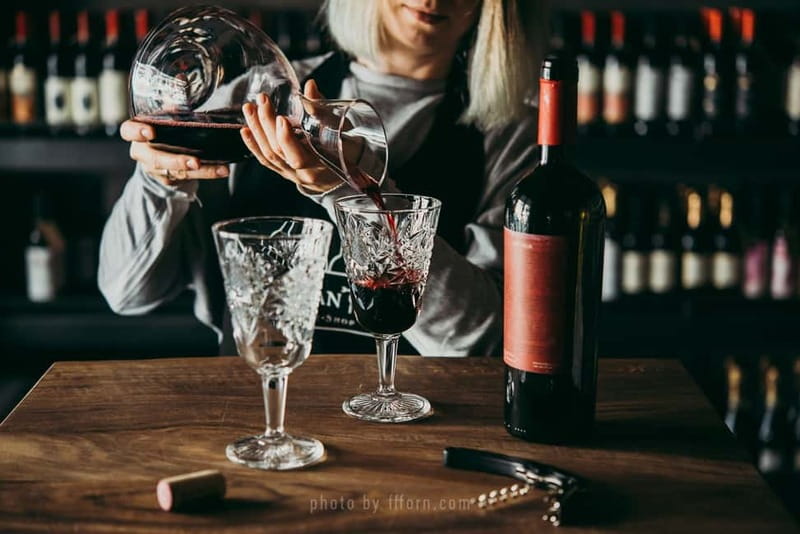
I would recommend this experience to:
- First-time visitors who want a clear introduction to Georgian wine
- People curious about orange wine and traditional qvevri production
- Couples or small groups who prefer conversation to a large organized event
- Wine drinkers who enjoy comparing production methods
- Visitors staying in central Tbilisi who want a short activity with local character
- Anyone seeking an indoor cultural activity with food and drink
It is not suitable for children under 18 or pregnant women. Since the main focus is alcoholic wine, this is not a good choice for anyone avoiding alcohol.
The experience can also work well early in a Tbilisi visit. One participant described it as an excellent first-day activity, and that makes sense: you learn enough to recognize Georgian wine during the rest of your stay.
Practical Tips for a Smoother Visit
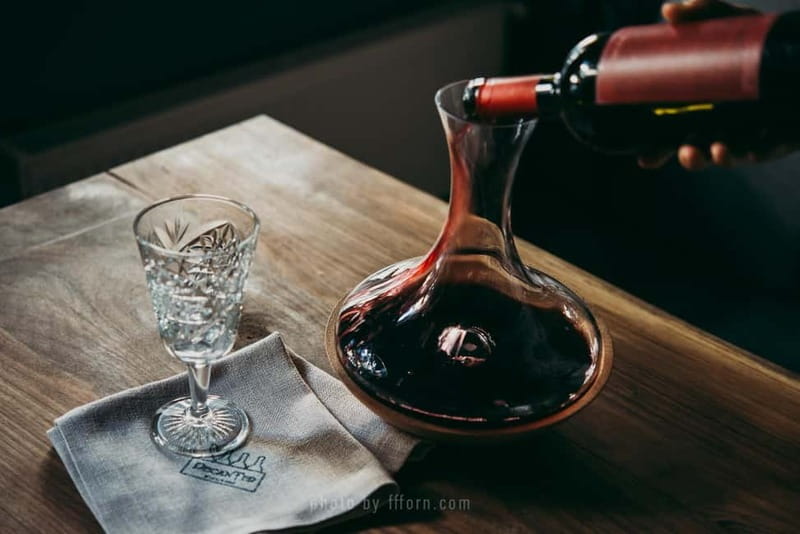
Arrive early enough to locate the courtyard. The restaurant is behind a barrier, and the sign on the security booth is the key landmark. Do not rely only on spotting the restaurant name from the street.
Confirm the address and start time before setting out. This is especially important because communication and directions have not always been perfect.
Come ready to taste, not simply drink. Smell each wine, notice the color, and compare how the classical and qvevri versions feel in your mouth. The sommelier’s explanations will make more sense if you give yourself time between sips.
You should also eat something earlier if you need a full meal. The cheese, nuts, and fruit are useful snacks, but they are not described as a complete lunch or dinner.
Book this if you want a compact lesson with a strong Georgian focus. Skip it if you want a party atmosphere, a full meal, or a large selection of wines. For most curious wine drinkers, the combination of a small group, four Georgian wines, thoughtful food pairings, and an old courtyard makes $25 a fair price.
FAQ
Where does the wine tasting take place?
It takes place at St. Bunny in Tbilisi. The restaurant is inside a courtyard, with a sign on the security booth in front of the barrier.
How long does the experience last?
The activity is advertised as 1.5 hours. One itinerary description gives 2.5 hours, so confirm the exact timing when booking.
How many wines are included?
Four types of Georgian wine are included in the master class.
What food is included?
The tasting includes snacks made from traditional cheeses, nuts, and fruits. Water is also provided.
Is a sommelier included?
Yes. The experience includes conversation and instruction with an experienced sommelier.
Which languages are available?
The instructor languages are English and Russian.
Is the activity suitable for children?
No. It is not suitable for children under 18.
Can I cancel for a full refund?
Yes. You can cancel up to 24 hours in advance for a full refund. The activity also allows you to reserve now and pay later.
More Food Tours in Tbilisi
- Old Tbilisi Tour: Private Walking Tour With Wine Tasting
★ 5.0 · 273 reviews - Private Tbilisi Food Tour: 9 Tastings Walk in Bohemian District
★ 5.0 · 227 reviews - Tbilisi Food Tour in a Local Family
★ 5.0 · 113 reviews - Private Wine Tasting in Prince Karalashvili Wine Cellar. Tbilisi
★ 5.0 · 63 reviews
More Georgian Wine Tasting near Tbilisi
- Tbilisi: Mtskheta Jvari Bazaar, Chronicles of Georgia & Wine
★ 5.0 · 1,088 reviews - Tbilisi:Mtskheta,Jvari,Bazaar,wine tasting,Chronicles of Georgia
★ 5.0 · 730 reviews - Tbilisi:Evening Walking & Talking Tour with Wine & Boat Ride
★ 5.0 · 572 reviews - Tbilisi: Evening Walking Tour with Wine & Boat Ride Options
★ 5.0 · 407 reviews
Just added near Tbilisi
- Walking Tour in Old Tbilisi – Group Tour★ 4.5 · 8 reviews
- From Tbilisi: Kakheti and Kazbegi 2-Day 4X4 Jeep Tour pack★ 5.0 · 6 reviews
- Tbilisi: Vintage Fashion and Secondhand Thrifting Tour★ 5.0 · 11 reviews
- Uforgatable Kakheti Tour with wine tasting – in Georgia★ 4.9 · 5 reviews
- From Tbilisi: Uplistsikhe Caves and Mtskheta Town Day tour★ 5.0 · 2 reviews
- Tbilisi Airport to Gudauri, Bakuriani, Batumi, Tbilisi★ 5.0 · 3 reviews
- Private Adorable City Tour of Tbilisi★ 5.0 · 3 reviews
- Your unique photo session in Tblisi, Georgia★ 3.5 · 4 reviews
Kakheti Wine Tours, compared.
Day Trip to Kakheti Wine Region Including 9 Wine Tastings
Read our review →
Kakheti Wine Region Tour with 9 Wine Tastings
Read our review →
Kakheti Wine Region Tour with 10 Wine Tastings
Read our review →
Kakheti;City of Love Sighnaghi, Bodbe. KTW. Wine House Group tour
Read our review →
Bodbe, Sighnaghi, Telavi Wine Tour from Tbilisi
Read our review →
Full Day Private Wine Tour in Kakheti Region with Lunch and 3 Wine Tastings
Read our review →
Browse the lists this tour appears in