
Reviewed · HIKING & TREKKING
7-day hiking expedition to Tusheti through the Atsunta pass
Wild mountains reward steady walkers. This seven-day expedition from Tbilisi crosses Georgia’s Atsunta Pass at 3,431 meters, linking the medieval valleys of Khevsureti and Tusheti. I like the rare chance to spend two nights far from villages and mobile service, and I like the practical support, including horses for luggage, 4×4 transfers, tents, sleeping gear, and full meals.
The route also gives you more than mountain scenery. You visit Shatili, Mutso, Dartlo, Shenako, and Diklo, then finish with lunch at a Kakheti winery. The main caution is simple: this is a real trek, not a gentle sightseeing trip. One day covers about 20 kilometers, another crosses a high pass, and two nights are spent in tents.
In This Review
- Key points to know before booking
- Why this Tusheti route is different
- Day 1: Shatili and the Bear Cross Pass
- Day 2: Ardoti, Anatori, Mutso, and the first camp
- Day 3: Crossing the 3,431-meter Atsunta Pass
- Day 4: A long descent to Girevi
- Day 5: Dartlo and the climb to Kvavlo
- Day 6: Horse riding from Omalo to Shenako and Diklo
- Day 7: Abano Pass, Kakheti wine, and Tbilisi
- What the $1,190 price covers
- Food, lodging, and practical comfort
- Who should book this expedition?
- Should you book the Tusheti trek?
- FAQ
- How long is the Tusheti hiking expedition?
- What is the highest point on the route?
- How difficult is the hike?
- Are tents and sleeping equipment included?
- How is luggage carried during the hike?
- Are meals included?
- How many people can join the tour?
Key points to know before booking
- Atsunta Pass reaches 3,431 meters: This is the hardest and highest walking day, with changing mountain conditions and a serious climb.
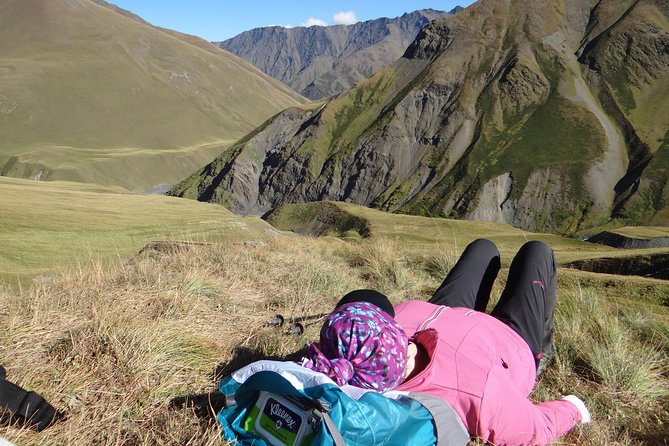
- Two nights have no mobile communication: There are no villages during this part of the route, so you should be comfortable being off-grid.
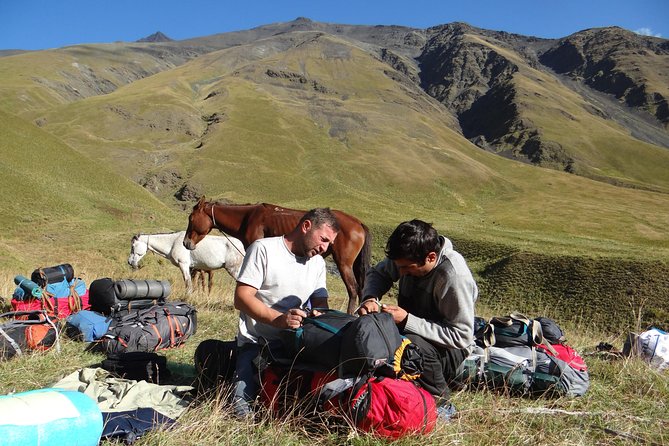
- Luggage support is included: Horses carry your equipment, while you walk with only what you need for the day.
- The route mixes hiking and 4×4 travel: You ride to remote trailheads, walk between valleys, and use jeeps again in Tusheti.
- Local stays replace standard hotels: You sleep in guesthouses, a traditional stone house, and tents, with Georgian meals prepared along the way.
- The group is limited to 10 people: That keeps the expedition small enough for a more personal outdoor experience.
Why this Tusheti route is different
Tusheti is one of Georgia’s most remote mountain regions, and reaching it is part of the adventure. The expedition approaches through Khevsureti, crosses the Atsunta Pass, and then follows the Pirikiti Alazani River toward Tusheti’s villages.
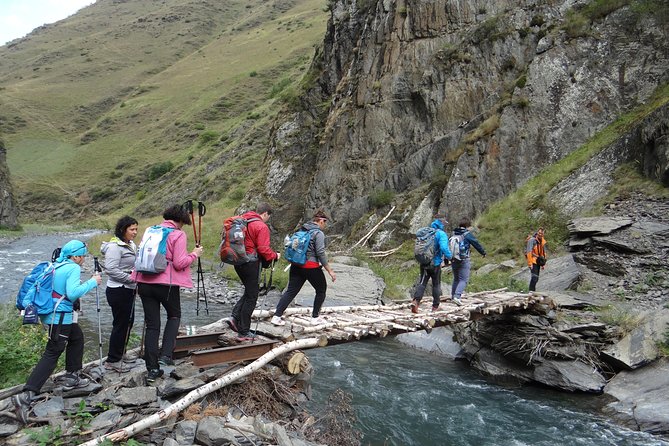
You are not simply driven to a scenic viewpoint and returned to town. The route asks you to walk from one remote valley to another, sleep outside civilization, cross rivers, and pass abandoned stone settlements. That gives the trip a strong sense of place.
I also like the balance between hardship and comfort. You will carry a daypack rather than all your camping gear because horses assist with luggage. Meals, tents, sleeping pads, sleeping bags, and transport are included. After a long day, you return to a hot meal or a simple guesthouse rather than managing every part of the expedition yourself.
The small group size matters here. A maximum of 10 people is easier to manage on a narrow mountain trail and makes border formalities, vehicle transfers, and camp routines less awkward. The provider has operated this route for many years, and the organization is built around reliable vehicles, food, horse support, and safety.
More Hiking Tours in Tbilisi
- Tbilisi: Real Adventure – Gareja & Rainbow Desert 4×4 + Hike
★ 4.9 · 464 reviews - David Gareji and Real Rainbow Mountains Off-Road adventure + hike
★ 5.0 · 129 reviews - 8-Day Trekking Group Tour in Svaneti
★ 5.0 · 21 reviews
Day 1: Shatili and the Bear Cross Pass
The trip begins at 9 a.m. at the operator’s office in Tbilisi. The drive to Shatili takes about five hours and covers roughly 150 kilometers, with stops at scenic points along the way.
The most notable stop is Bear Cross Pass, at 2,676 meters. A picnic here breaks up the long road journey and gives you an early taste of the high country. This is a useful first day because you gain altitude and reach the remote setting before the main walk begins.
Shatili is not an ordinary overnight stop. Its medieval stone towers and tightly packed defensive buildings make it one of the most memorable settlements in the region. After checking into a guesthouse, you have time to walk through the old settlement, inspect the stonework, and take photographs before dinner.
The evening meal is prepared by the guesthouse owners. That is a small but important detail. Food is not treated as a generic catering job here, and local cooking helps connect the first night to the communities you are visiting.
The drawback is the amount of time spent in the minivan. Five hours on mountain roads can feel long, especially after an international flight or a busy start in Tbilisi. Still, the drive is necessary to reach a place that ordinary day trips cannot easily cover.
Day 2: Ardoti, Anatori, Mutso, and the first camp
After breakfast, 4×4 jeeps take you toward Ardoti, where the road ends. This is the point where the trip changes from a road journey into a proper mountain expedition.
The route includes stops at Anatori and the abandoned medieval settlement of Mutso. You must show your passport to Georgian border guards, and the formalities take about 20 minutes. Keep your passport easy to reach rather than buried in your main luggage.
After a picnic, you begin walking for about four hours to the camp. The expedition team helps put up the tents, and dinner follows at camp. You should expect a basic outdoor night, not a polished campsite with hotel-style facilities.
This is the first of two nights without mobile communication or nearby villages. That makes Day 2 especially important for setting expectations. You should be comfortable with limited contact, simple washing arrangements, and the need to keep personal items organized inside a tent.
The horse support is valuable on this day. Your heavier equipment is carried separately, letting you focus on the trail and your water, clothing layers, camera, and other day-use items. Even with that help, moderate physical fitness is required.
Day 3: Crossing the 3,431-meter Atsunta Pass
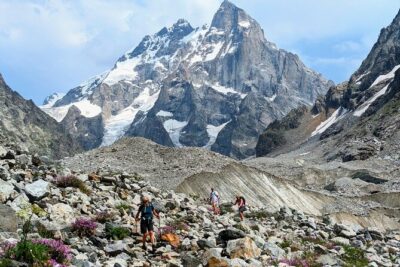
Day 3 is the central challenge of the expedition. The trail climbs to Atsunta Pass, one of Georgia’s highest mountain passes, at 3,431 meters.
The pass divides Khevsureti from Tusheti, so this is more than a high point on the route. It is the physical and geographic link between two distinct regions. You can expect a demanding day, with the altitude adding to the effort even if you are used to walking long distances at lower elevations.
The supplied schedule gives only a short one-hour listing for this stop, but the description clearly identifies it as a difficult day. You should not read that timing as the total walking duration. Ask the operator for the expected full day schedule, elevation profile, and current trail conditions before departure.
This is where preparation pays off. Bring broken-in hiking shoes, warm layers, waterproof clothing, sun protection, and enough personal water capacity for the day. Weather in high mountains can shift quickly, and you may need to add or remove layers as the trail rises and falls.
There are no villages and no mobile communications during this remote section. For some people, that is the heart of the experience. For others, it is the main reason to choose a different tour. Either way, know what you are signing up for.
More hikes out of Tbilisi:
- Kazbegi Tour with Gergeti Church, Waterfall Hike & Hidden Gems
★ 5.0 · 19 reviews - Five days tour to Khevsureti (Abudelauri lakes) & Kazbegi with hikes.
★ 5.0 · 14 reviews - 3-Day Hiking Group Tour in Kazbegi
★ 5.0 · 14 reviews - Kazbegi Adventure Day Trip – Hike to Gveleti waterfall plus Gergeti, Ananuri
★ 5.0 · 7 reviews
Day 4: A long descent to Girevi
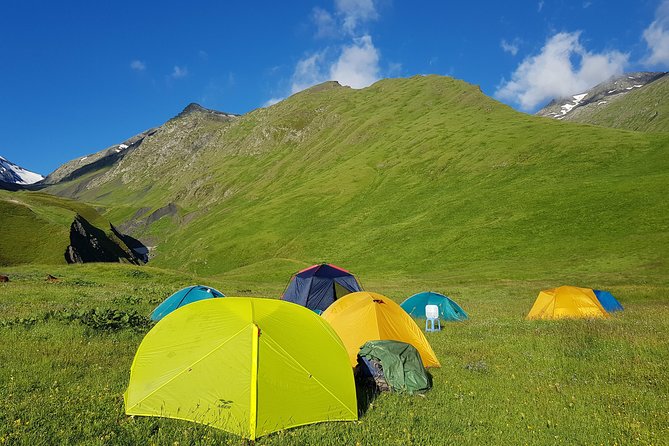
After the pass, the trail gradually follows the Pirikiti Alazani River toward Girevi. The route is described as technically easier, but the distance is substantial, about 20 kilometers.
Do not confuse an easier trail with an easy day. Twenty kilometers can take most of the day, particularly after the pass crossing. Your knees and feet may feel the descent, so trekking poles and careful pacing could be useful, though the supplied equipment list does not state that poles are provided.
The route passes shepherds’ houses and the abandoned stone settlement of Chontio. These places give the walk a human story without turning it into a museum visit. You see how mountain life once depended on seasonal movement, stone construction, and the river valleys below.
Girevi marks the return to a settled place. There are guesthouses, local residents, and a bed for the night. After the tent nights, that change will feel welcome, even if the lodging remains simple.
This is also a good day to pay attention to your feet and clothing. You still have several days ahead, so deal with wet socks, hot spots, or tired muscles before they become larger problems.
Day 5: Dartlo and the climb to Kvavlo
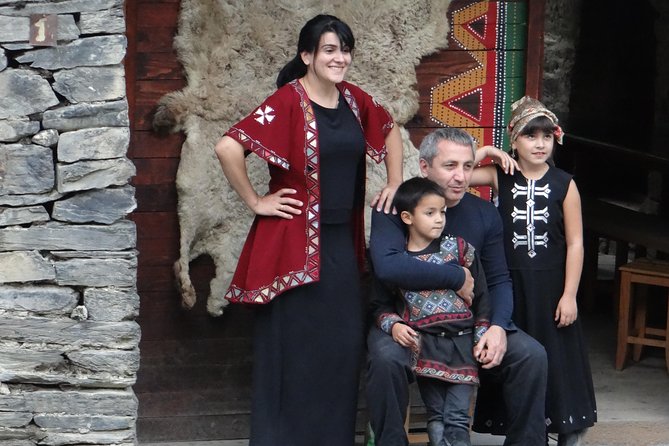
Day 5 is easier, with about four hours of walking along a jeep road. By lunchtime, you reach Dartlo, one of Tusheti’s best-known historic villages.
Dartlo is built in a traditional stone style and has a strong visual character. The village has been proposed for inclusion on the World Heritage List, which reflects its cultural importance and carefully preserved setting.
After lunch, you have time to walk uphill to Kvavlo. This optional-feeling afternoon outing gives you a chance to see the valley from above without facing another full mountain crossing. If your legs are still tired from Atsunta Pass and the long descent, you can treat this as a gentler afternoon rather than another test.
The night is spent in a stone house built according to local traditions. That is one of the most distinctive lodging choices on the trip. You are not staying in a standard hotel designed to look local. You are sleeping in a building that follows the region’s traditional form.
Beer, wine, and chacha at guesthouses are not included, so budget separately if you want drinks with dinner. Meals and ordinary food service are covered, but alcoholic drinks are the clear extra cost.
Day 6: Horse riding from Omalo to Shenako and Diklo
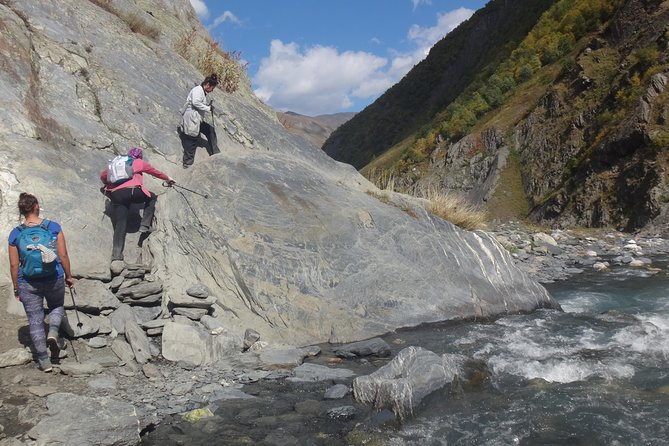
In the morning, jeeps take you to Omalo, the largest village in Tusheti. You leave your belongings at a guesthouse, then set out for a horse-riding excursion.
The route includes Shenako and Diklo. Shenako is noted for its Church of the Holy Trinity, giving the day a strong cultural element alongside the mountain setting. Diklo adds another village visit before you return to Omalo for dinner.
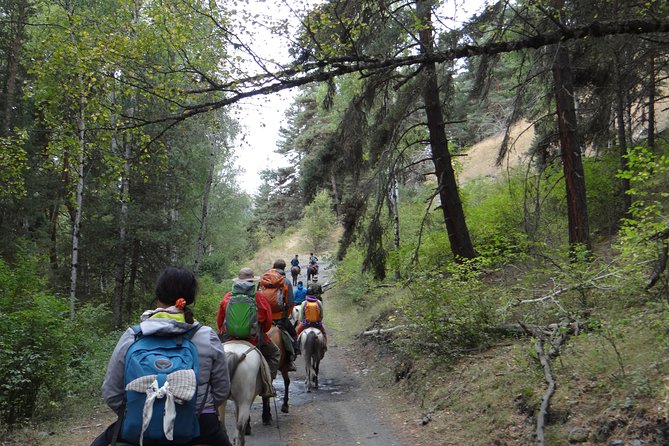
This day gives your feet a break from continuous trekking, though horse riding is still an active outing and may not feel effortless. The schedule does not specify the riding duration, so ask how much time you will spend in the saddle and what riding experience is expected.
Omalo is an important transition point. It is the largest settlement you visit in Tusheti, and the guesthouse provides a more settled base before the long return journey. You can sort your belongings, recharge your body, and prepare for the drive out.
The route’s cultural variety is one of its strongest features. You see fortifications, abandoned settlements, working villages, churches, stone houses, shepherd structures, and remote valleys. The experience is not only about reaching a pass.
Day 7: Abano Pass, Kakheti wine, and Tbilisi
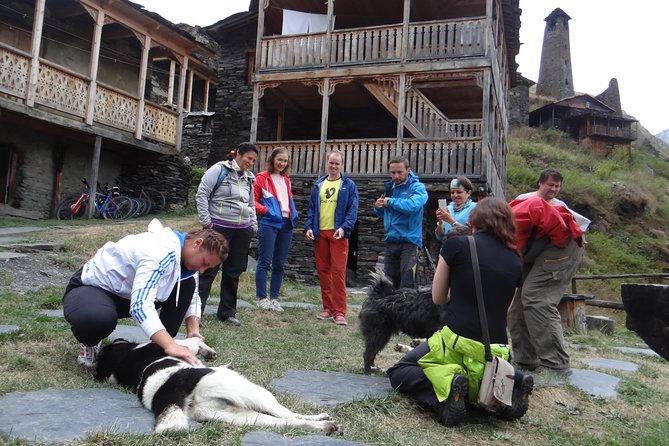
The final day begins with the difficult drive out of Tusheti. You cover about 60 kilometers of unpaved road and cross Abano Pass, described as the highest automobile pass in Europe.
This is a long road day, and the rough surface can make the journey tiring. The 4×4 vehicles are essential, since ordinary cars are not suited to the road conditions. In Alvani, you switch from the jeeps to a more comfortable bus.
The reward is a festive lunch at a winery in Kakheti. It is a smart ending to the expedition, moving from remote mountain villages to one of Georgia’s best-known wine regions. The tour is scheduled to reach Tbilisi around 5 p.m., though mountain road conditions can affect the exact timing.
Do not book a tight evening flight or an important appointment based only on that estimated arrival. The route involves a long unpaved drive, a vehicle change, and a winery stop.
What the $1,190 price covers
At $1,190 per person, this is not a budget hiking trip, but the price includes much of what makes a remote Georgian expedition expensive to organize.
Included are all 4×4 transfers, horses for carrying equipment, breakfast six times, lunch seven times, dinner six times, snacks, drinks, a waterproof duffel bag, tent, sleeping pad, and sleeping bag. Those inclusions reduce the need to rent or buy bulky camping gear and remove the difficulty of arranging separate mountain transport.
The value is strongest if you want a guided, supported route rather than an independent trek. Reaching Shatili, Ardoti, and Tusheti requires specialized vehicles and careful coordination. The horse support is also meaningful on a route with a high pass and a 20-kilometer walking day.
The price does not cover beer, wine, or chacha at guesthouses. You should also check whether personal clothing, hiking shoes, insurance, and other individual gear are your responsibility, since they are not listed among the inclusions.
Food, lodging, and practical comfort
You sleep in several different ways during the week: a guesthouse in Shatili, two nights in tents, a guesthouse in Girevi, a traditional stone house in the Dartlo area, and a guesthouse in Omalo.
That variety is part of the appeal, but it means comfort changes from night to night. The tents provide the most remote experience, while the village stays give you access to local hospitality and a proper roof.
Meals are included throughout the trip, with six breakfasts, seven lunches, six dinners, snacks, and drinks. Local guesthouse owners prepare at least some of the food, including the first traditional dinner in Shatili. The food program is useful because remote villages offer few opportunities to buy supplies along the route.
The Dutch and French comments supplied for this experience highlight the same strengths that matter most in practice: excellent mountain scenery, smooth organization, careful attention from guide Stanislav, local food, and cultural stops such as Shenako. The most useful takeaway is that the trip depends heavily on good logistics, not just scenery.
Who should book this expedition?
I would recommend it to you if you want a small-group mountain trip with real remoteness, cultural stops, local meals, and transport already arranged. It suits hikers with moderate physical fitness who can manage a high pass, a long 20-kilometer day, several hours on rough roads, and two nights in a tent.
You should think twice if you need daily mobile service, private hotel rooms, predictable road travel, or a relaxed walking schedule. The route is also not ideal for anyone hoping to avoid altitude, long descents, or basic facilities.
The group maximum of 10 is a positive for people who prefer a quieter, more manageable expedition. Service animals are allowed, and the meeting point is near public transportation, but the demanding terrain remains the key suitability issue.
Confirmation is sent within 48 hours, subject to availability. The scheduled 2025 departures are June 7, July 20, August 3, and August 17, with pickup at the operator’s Tbilisi office at 9 a.m.
Cancellation terms are strict close to departure. You receive a full refund when canceling at least six full days before the start, 50 percent when canceling two to six full days ahead, and no refund within two days. A minimum group size is required, and if the operator cancels for that reason, you are offered another date or experience, or a full refund.
Should you book the Tusheti trek?
Book this expedition if the words remote mountain crossing sound exciting rather than alarming. Its best qualities are the Atsunta Pass, the lack of mobile service, horse-supported camping, traditional villages, and the careful transport planning needed to connect Khevsureti, Tusheti, and Kakheti.
The main question is not whether the scenery will be attractive. It is whether you are ready for the physical effort and simple conditions that make the scenery possible. If you are, $1,190 is a fair price for a supported seven-day route through one of Georgia’s least accessible regions.
FAQ
How long is the Tusheti hiking expedition?
The experience lasts approximately seven days, beginning and ending in Tbilisi.
What is the highest point on the route?
Atsunta Pass reaches 3,431 meters and divides Khevsureti from Tusheti.
How difficult is the hike?
You should have a moderate level of physical fitness. Day 3 is difficult because of the high pass, while Day 4 covers about 20 kilometers even though the trail gradually descends.
Are tents and sleeping equipment included?
Yes. The tour includes a waterproof duffel bag, tent, sleeping pad, and sleeping bag. You spend two nights in a tent.
How is luggage carried during the hike?
Horses are included to carry equipment, allowing you to walk with a lighter personal daypack.
Are meals included?
Yes. The package includes six breakfasts, seven lunches, six dinners, snacks, and drinks. Beer, wine, and chacha at guesthouses cost extra.
How many people can join the tour?
The group has a maximum of 10 participants.
Just added near Tbilisi
- Wine Tasting feel the Difference of Qvevri or Classical Wine★ 4.4 · 10 reviews
- Walking Tour in Old Tbilisi – Group Tour★ 4.5 · 8 reviews
- From Tbilisi: Kakheti and Kazbegi 2-Day 4X4 Jeep Tour pack★ 5.0 · 6 reviews
- Tbilisi: Vintage Fashion and Secondhand Thrifting Tour★ 5.0 · 11 reviews
- Uforgatable Kakheti Tour with wine tasting – in Georgia★ 4.9 · 5 reviews
- From Tbilisi: Uplistsikhe Caves and Mtskheta Town Day tour★ 5.0 · 2 reviews
- Tbilisi Airport to Gudauri, Bakuriani, Batumi, Tbilisi★ 5.0 · 3 reviews
- Private Adorable City Tour of Tbilisi★ 5.0 · 3 reviews
Hiking & Trekking, compared.
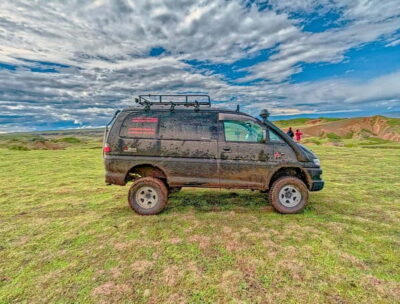
Real Adventure – Gareja & Rainbow Desert 4×4 + Hike
Read our review →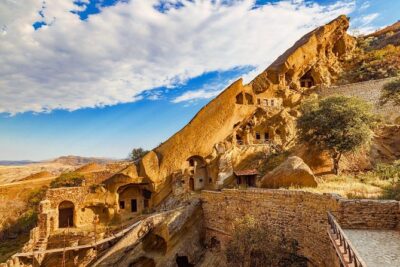
David Gareji and Real Rainbow Mountains Off-Road adventure + hike
Read our review →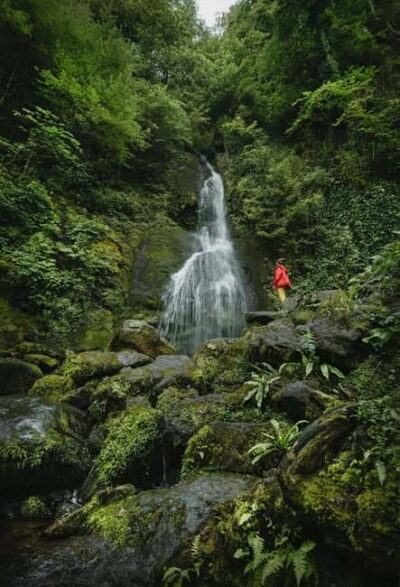
Batumi to Mtirala National park – Half day hiking group tour
Read our review →
Batumi & Mtirala N.P. hike group tour from Kutaisi
Read our review →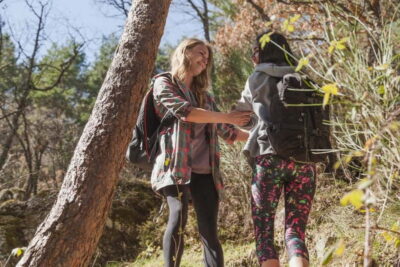
Browse the lists this tour appears in