
Reviewed · KUTAISI TOURS
Bagrati, Gelati & Motsameta monasteries tour
Churches, cliffs, and Georgian kings. This three-hour Kutaisi tour packs major sights, thoughtful guiding, and superb views into one easy morning. I especially like the combination of Bagrati Cathedral’s city panorama and Motsameta’s dramatic setting above the river. I also like that guides such as Lasha, Giorgi, Saba, Toko, and Ioseb add everyday Georgian culture to the old stones. The main catch is important: Gelati Monastery is temporarily closed for renovation, so the replacement stops may not match your expectations if Gelati is the reason you booked.
You meet at 9:00 at the Budget Georgia office, between the SwissCapital and Andazi shops, then return to Kutaisi’s central square at noon. That short schedule works well before a train, a longer day trip, or an afternoon exploring town. The roads can be slippery in winter, so good driving matters, and past visitors have particularly praised the careful transport.
In This Review
- Key points to know before booking
- Why this short Kutaisi tour works
- 9:00 departure from the Budget Georgia office
- Bagrati Cathedral and the story of united Georgia
- Gelati Monastery, and the renovation problem
- Motsameta Monastery above the river
- Guides who explain Georgia beyond the buildings
- Dress code, timing, and what to bring
- The $21 price and the real value
- Who should book this morning outing?
- Should you book Bagrati, Gelati and Motsameta?
- FAQ
- Where does the tour start?
- What time does the tour begin?
- What time does the tour finish?
- How long does the tour last?
- What languages are available?
- Is transportation included?
- How much does the tour cost?
- Can I visit Gelati Monastery?
- What should women wear?
- What should men wear?
Key points to know before booking
- Bagrati Cathedral looks across Kutaisi: The 11th-century cathedral gives you a quick sense of the city’s position and importance.
- Gelati is currently closed: The planned visit is replaced by Khareba, the Kutaisi Holy Annunciation Temple, and Mtsvanekvavila Temple.
- Motsameta has the most dramatic setting: The monastery sits on a cliff with the river around three sides.
- Guides add local life to church history: The best part of the commentary is often the discussion of Georgian customs, religion, family life, and daily routines.
- The tour runs from 9:00 to 12:00: It is a compact morning outing rather than a full-day excursion.
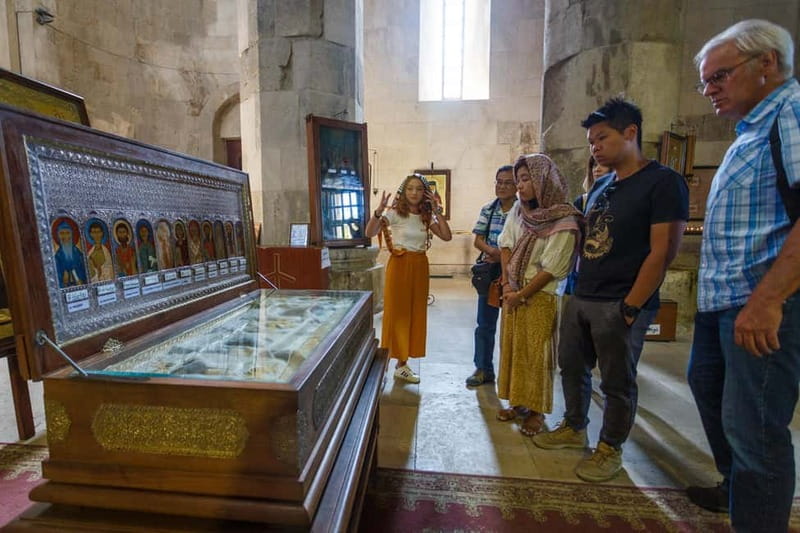
- Dress properly for monasteries: Women need long dresses and scarves, while men need long trousers.
Why this short Kutaisi tour works
Kutaisi has several important religious sites beyond its central streets, but reaching them independently can take extra planning. This tour links three of the area’s best-known monasteries and churches with transportation and an English-speaking guide for $21 per person.
That price is the strongest practical argument in its favor. You are not paying for a full-day excursion with meals or a large list of attractions. You are paying for a short route, a vehicle, and someone who can explain what you are seeing. For a first morning in Kutaisi, that is good value.
The three-hour length also keeps the outing manageable. You will not spend an entire day moving between churches, and the 12:00 finish leaves time for lunch, the market, museums, or onward travel. The tradeoff is a brisk pace. One person felt Bagrati deserved another 30 minutes, and that is a fair point. If you like sitting quietly in each church, studying every fresco, or taking many photographs, the schedule may feel tight.
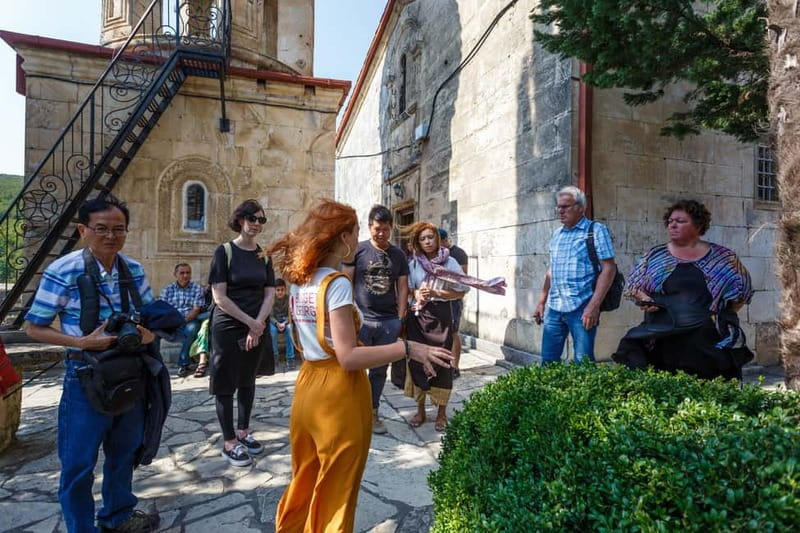
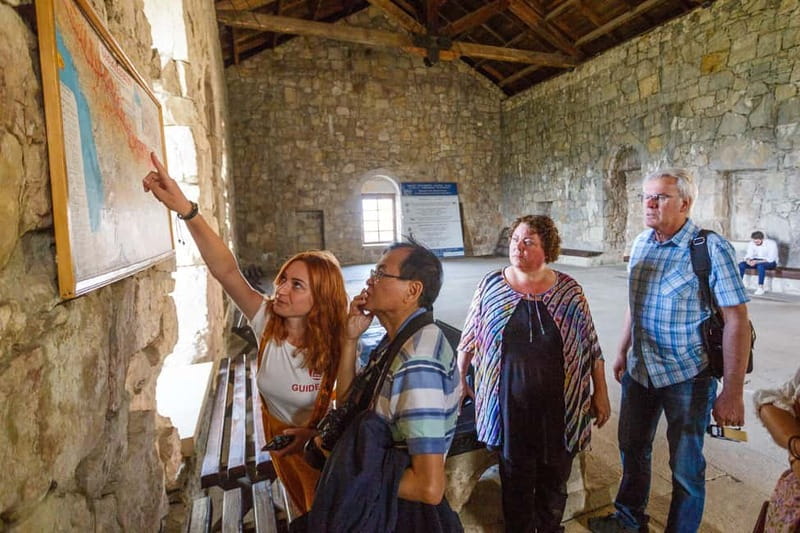
The guiding is a major part of the value. Guides named in the feedback include Lasha, Giorgi R., Giorgi, Saba, Toko, Tornike, Ioseb, and Omu. Descriptions repeatedly point to clear explanations, humor, patience with questions, and a willingness to discuss modern Georgia rather than only recite dates. That matters because these are active religious places, not just old buildings.
More Kutaisi days to weigh up
- Kutaisi: Martvili & Okatse Canyons & Prometheus Cave Tour
★ 4.9 · 829 reviews - From Kutaisi: Guided Tour of Okatse, Martvili, & Prometheus
★ 4.8 · 520 reviews - Kutaisi:Chiatura Tour with Katskhi Pillar & Cable Car
★ 4.9 · 433 reviews
9:00 departure from the Budget Georgia office
The tour begins at the Budget Georgia office in Kutaisi, located between SwissCapital and Andazi shops. The meeting point is central, but you should allow enough time to find the exact office rather than relying on a last-minute arrival.
Departure is scheduled for 9:00. Since the tour ends at the central square at noon, you get a useful half-day format. It suits you best if you want an organized introduction to Kutaisi’s religious heritage without giving up the rest of your day.
Transportation is included, and the vehicle takes you up toward Bagrati before continuing to the other sites. The driving receives particularly strong praise. One winter booking described icy, slippery roads and a driver who handled them carefully, while another praised the driver for keeping passengers comfortable and safe on busy roads.
That winter detail is worth noting. The tour operates year-round, but conditions can affect the journey and the feel of the visit. In January, you may encounter cold or icy roads. In warmer months, the main concern is making the most of outdoor views and photography before the group moves on.
Bagrati Cathedral and the story of united Georgia
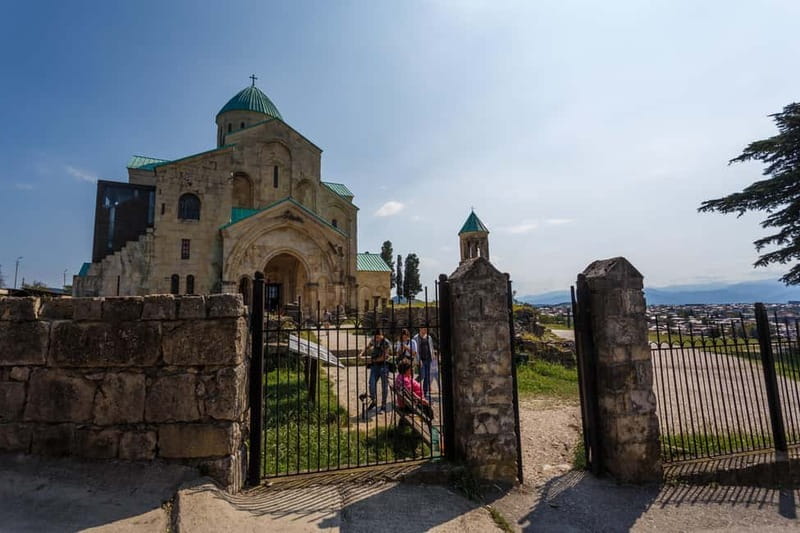
Bagrati Cathedral is the first stop, and the route wisely begins here. It overlooks Kutaisi, so you get both a major monument and a useful view of the city below.
The cathedral was built in the 11th century as a symbol of united Georgia. That idea gives the building more weight than its size alone might suggest. Your guide can connect the church to the period when Georgia was being brought together under a powerful monarchy, giving the stonework a national meaning as well as a religious one.
The cathedral is also described as Kutaisi’s oldest and biggest church. Even with a short visit, it gives you a strong introduction to the scale of Georgian church architecture. The high position makes it especially worthwhile for anyone who wants a first look at Kutaisi from above.
I would treat Bagrati as a place where you want both explanation and open space. Listen to the guide first, then use the remaining time for photographs and a quiet look around. Since the full tour moves quickly, you may need to choose between careful architectural study and lingering over the view.
The site works well for visitors who are new to Georgia because the guide can explain how church buildings, kings, national identity, and Georgian religious life connect. Guides such as Giorgi R. and Lasha have been praised for answering questions about traditions and modern daily life, not simply naming construction dates.
Gelati Monastery, and the renovation problem
The original plan continues to Gelati Monastery, a 12th-century complex created by King David the Builder. Gelati is not a single church. The grounds include three large churches, an academy, David the Builder’s grave, a bell tower, and former monk houses.
That range makes Gelati important. You would be seeing a religious center, a royal memorial, and a place linked to learning. The academy is especially significant to the way the complex is presented, since it shows that Georgian monasteries were also centers of education and intellectual life.
At present, however, Gelati is temporarily closed because of renovation. This is the most important booking consideration. The exact experience can change depending on the work, and you should not assume that you will enter the complex.
The replacement plan includes Khareba, also called the Kutaisi Holy Annunciation Temple, and Mtsvanekvavila Temple. Some previous visitors found the alternatives worthwhile, particularly the Holy Annunciation church. Others naturally felt disappointed because Gelati was the famous stop they expected.
There is one useful advantage to the change: you may see smaller and less famous religious sites with a guide who can explain their role. A substitute visit can feel less grand than Gelati, but it may offer a closer look at local worship and church life. Sunday can be a particularly active time, with liturgy taking place at some churches. That means a more genuine religious atmosphere, but also a need to behave respectfully and follow local customs.
The company has sometimes still driven close to Gelati even when entry was not possible. That can help you understand the site’s setting, but it does not replace an interior visit. If Gelati is essential to your Georgia plans, check its current status before booking.
A slower pace, same corner of the Caucasus:
- CANYONS & CAVE Tour from Kutaisi – Okatse, Martvili & Prometheus
★ 4.5 · 307 reviews - Kutaisi: Prometheus Cave & Martvili Canyon Guided Tours
★ 4.7 · 206 reviews - Prometheus Cave, Martvili & Okatse Canyon from Kutaisi
★ 4.7 · 180 reviews - From Kutaisi:Canyons and caves tour with transfer to Tbilisi
★ 4.8 · 168 reviews
Motsameta Monastery above the river
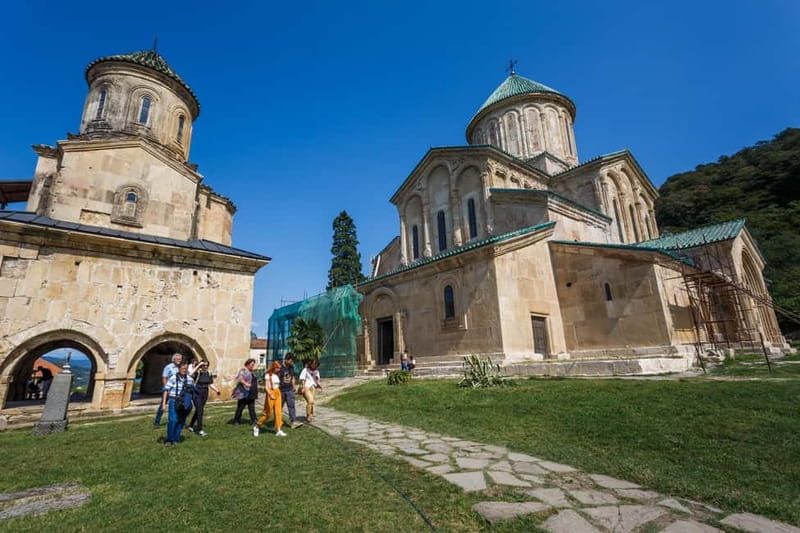
Motsameta is the tour’s most visually striking stop. The monastery is built on a cliff and surrounded by the river on three sides. The position gives it a sense of isolation that contrasts with Bagrati’s open city view.
The name and story are tied to the brothers David and Constantine Mkheidze, described in the tour material as tortured brother lords. Their story gives the place a powerful human focus, and your guide can explain the connection between the monastery, the brothers, and Georgian religious tradition.
Here, the setting does much of the work. The river, cliff, monastery walls, and changing colors around the site create the kind of view that stays with you after the historical details fade. I would save a little attention for the surroundings rather than spending the entire stop inside the building.
Motsameta is also a good test of your footwear and clothing. The approach and outdoor areas may require care, especially in winter or damp weather. The available information does not specify accessibility arrangements, so anyone with limited mobility should ask the operator before booking.
Among the three planned monasteries, Motsameta is the easiest to recommend even with Gelati closed. It offers a clear visual reward and a story that feels connected to the place itself, not simply added as a list of dates.
Guides who explain Georgia beyond the buildings
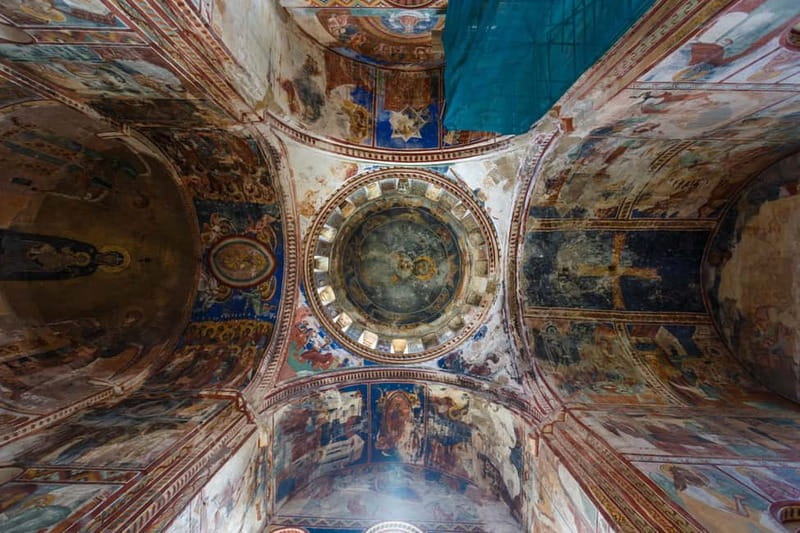
A strong guide can change this tour from a quick church shuttle into a useful introduction to Georgia. The best feedback focuses on guides who answer questions in a relaxed way and explain customs that may seem unfamiliar to a first-time visitor.
Giorgi R. was praised for discussing Georgian traditions, culture, and present-day life, including subjects that can seem strange to foreigners. Lasha was described as energetic and enthusiastic, with a talent for connecting history and tradition. Saba brought warmth and humor, while Ioseb was praised for being kind and well informed.
Other names connected with positive experiences include Toko, Tornike, Omu, and Giorgi. The important point is not which individual guide you receive, since assignments can change. It is that the tour depends heavily on live interpretation, and the company has a strong record of pairing the route with guides who welcome questions.
You should use that opportunity. Ask about Georgian religious practice, the role of monasteries, the story of David the Builder, and what daily life is like in Kutaisi today. The experience becomes far more useful when you treat the guide as a local source rather than simply a person leading you from door to door.
The guide may also explain how to behave during liturgy. Keep voices low, dress correctly, and avoid treating worshippers as part of the scenery. A Sunday visit can be rewarding, but it is still a religious service, not a performance arranged for sightseeing.
Dress code, timing, and what to bring
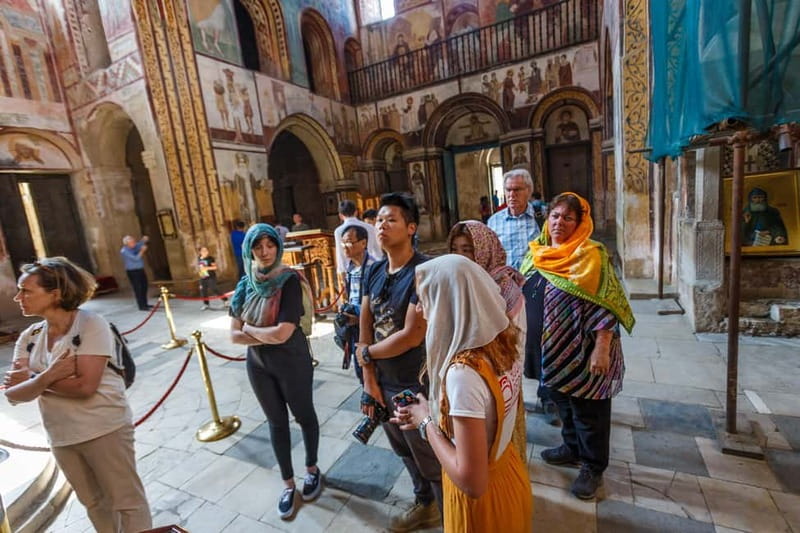
Monastery clothing rules are explicit. Women should wear long dresses and scarves. Men should wear long trousers. Plan your outfit before leaving, since casual holiday clothing may not meet the requirements.
A scarf is particularly useful for women, and long trousers are the safe choice for men. Even if a replacement church has different rules, dressing modestly makes the whole morning easier and shows respect.
The tour lasts three hours, from 9:00 to 12:00. That makes it practical for a morning arrival in Kutaisi, but not ideal if your transport reaches the city after the start time. The stated meeting point is the Budget Georgia office, and the finish is at the central square.
Bring a phone or camera for Bagrati and Motsameta, but remember that the schedule is compact. You may have time for photographs at each stop, yet you should not expect long, unstructured breaks.
Weather matters. Winter conditions can include icy roads, and the outdoor setting at Motsameta will feel different in cold or wet weather. A warm layer and sensible shoes are good ideas, although the tour information does not specify a required equipment list.
The $21 price and the real value
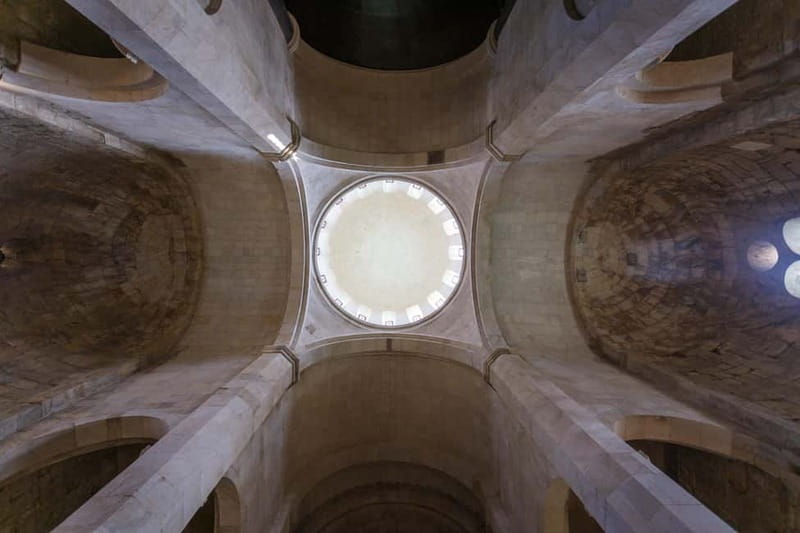
At $21 per person, this is one of the easier Kutaisi excursions to justify. Transportation and guiding are included, and the route covers several sites that would otherwise require separate planning.
The value is best when you want orientation and context. You get a local guide, a vehicle, and a concentrated introduction to Bagrati, Motsameta, and the replacement churches while Gelati is closed. You also avoid spending your first morning working out transport between hilltop and rural sites.
The price is less compelling if your only goal is a long, unhurried visit to Gelati. Since the monastery is temporarily inaccessible, you should judge the tour by the complete revised route rather than by the original title alone.
The tour has a 4.8 out of 5 rating from 79 reviews, with transport receiving a 93 percent perfect score. Those figures support the impression that the company is reliable, but they do not remove the need to check the Gelati situation before you pay.
Free cancellation is available up to 24 hours before departure for a full refund. You can also reserve now and pay later, which is useful if your Kutaisi plans are still shifting.
Who should book this morning outing?
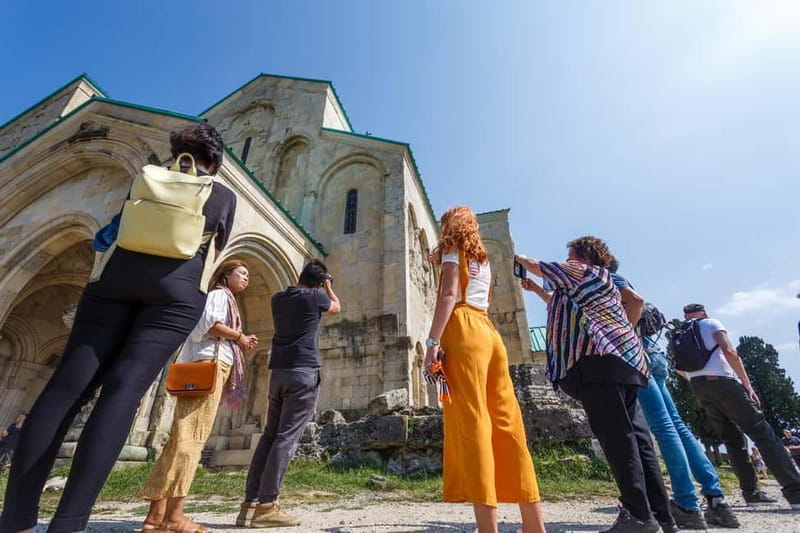
I would recommend it to you if you want a short cultural tour with a local English-speaking guide. It is especially suitable for first-time visitors to Kutaisi, couples, solo visitors, and anyone who wants the main church sites explained rather than simply photographed.
It also suits a busy itinerary. The noon finish gives you a full afternoon for Kutaisi or another activity, and the modest price limits the risk if you are testing the city with only a short stay.
You may want a different plan if you dislike fixed schedules or if you need extensive time at each monument. The Bagrati stop can feel brief, and Gelati’s closure changes the central promise of the tour.
For families, the three-hour length is easier than a full-day route, but the religious focus may not hold every child’s attention. For photographers, Motsameta is the strongest stop, while Bagrati offers the best city view. For serious church and art specialists, the temporary closure at Gelati is a real loss.
Should you book Bagrati, Gelati and Motsameta?
Book it if you want good-value transport, local explanations, and three focused hours around Kutaisi. The guides are the heart of the experience, and the combination of national history, religious tradition, and cliffside scenery gives the morning real variety.
Before booking, confirm the current Gelati arrangement. If you are happy to visit Khareba and Mtsvanekvavila instead, this is an easy recommendation. If entering Gelati is your main reason for going, wait until renovation ends or choose a plan that guarantees access.
For most visitors with a free morning, the tour is a sensible way to see important sites without fuss. Just dress modestly, leave room for a quick pace, and let your guide turn the churches into stories rather than stopping at names and dates.
FAQ
Where does the tour start?
The tour starts at the Budget Georgia office in Kutaisi, located between SwissCapital and Andazi shops.
What time does the tour begin?
The scheduled departure time is 9:00.
What time does the tour finish?
The tour finishes at 12:00 at Kutaisi’s central square.
How long does the tour last?
The total duration is three hours.
What languages are available?
The tour includes a live English-speaking guide.
Is transportation included?
Yes. Transportation and guiding service are included in the price.
How much does the tour cost?
The stated price is $21 per person.
Can I visit Gelati Monastery?
Gelati Monastery is temporarily closed because of renovation. The tour instead visits Khareba, the Kutaisi Holy Annunciation Temple, and Mtsvanekvavila Temple.
What should women wear?
Women should wear long dresses and scarves when visiting the monasteries.
What should men wear?
Men should wear long trousers when visiting the monasteries.
Just added near Kutaisi
- Wild Caving Experience in Melouri Cave Near Kutaisi★ 5.0 · 3 reviews
- Wine & Dine group tour from Kutaisi★ 4.6 · 3 reviews
- Private tour from KUTAISI: Bagrati, Gelati and Motsameta★ 5.0 · 5 reviews
- Tskhaltubo Old Soviet Spa Tour★ 4.5 · 12 reviews
- Day Tour to Georgian sky venice, Soviet city Chiatura★ 5.0 · 5 reviews
- Tskaltubo-Prometheus Cave-Geguti★ 5.0 · 6 reviews
- Ski & Snow Tour to Bakuriani from Kutaisi with Borjomi Stop★ 5.0 · 5 reviews
- Kutaisi Airport to Tbilisi Private Transfer★ 5.0 · 3 reviews
Kutaisi Tours, compared.
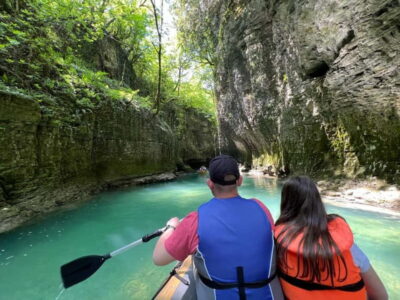
Martvili & Okatse Canyons & Prometheus Cave Tour
Read our review →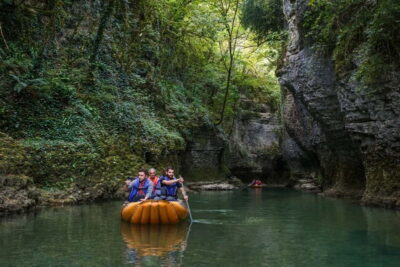
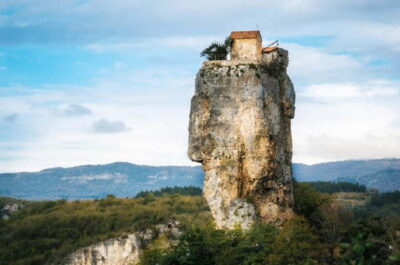
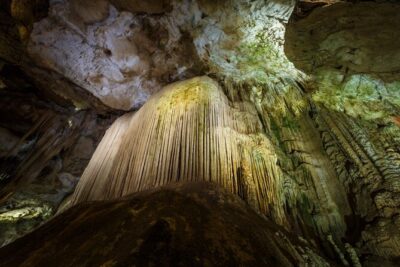
CANYONS & CAVE Tour from Kutaisi – Okatse, Martvili & Prometheus
Read our review →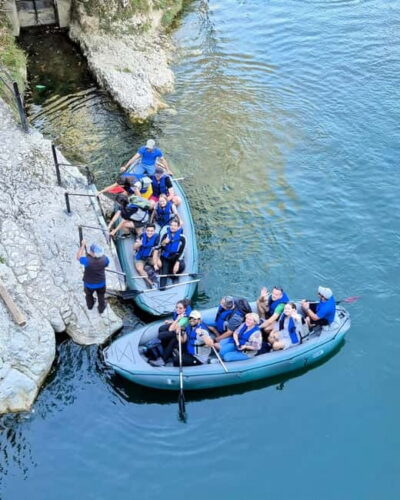
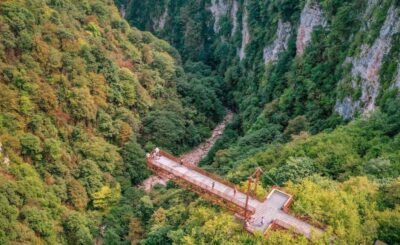
Prometheus Cave, Martvili & Okatse Canyon from Kutaisi
Read our review →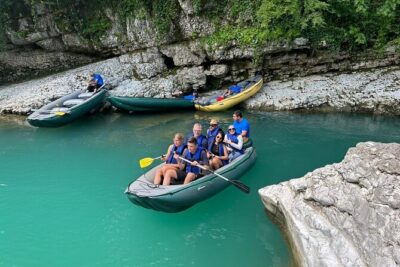
Canyons and caves tour with transfer to Tbilisi
Read our review →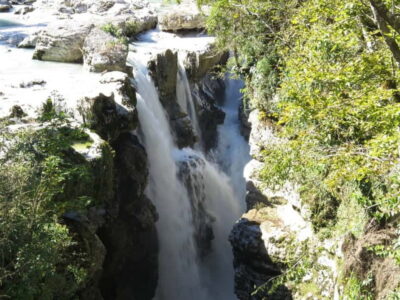
Martvili, Okatse Canyon, and Prometheus Cave Tour
Read our review →Browse the lists this tour appears in