
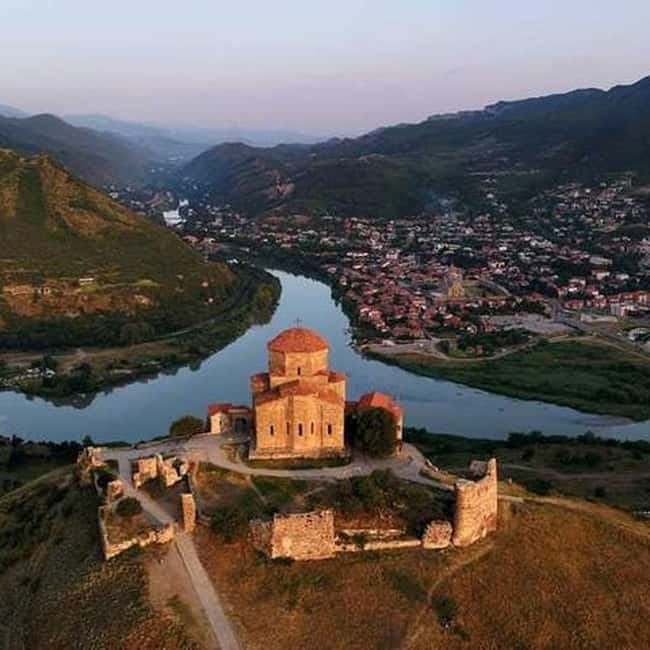
Reviewed · MTSKHETA AND JVARI TOURS
From Tbilisi: Half day tour, Mtskheta, Jvari & Samtavro
Georgia’s oldest Christian sites are close to Tbilisi. This four-hour trip gives you a compact introduction to Mtskheta, Jvari Monastery, and Samtavro Monastery, three places that explain much of Georgia’s religious story. I like the excellent value at $15 and the way the route fits major sights into half a day. I also like that guides such as David, Tamara, Mikhail, and Diana bring history and local culture into the journey, rather than simply pointing at old stones.
The main drawback is the mixed-language format. Tours run in English and Russian, and if both groups share one guide, the explanations may be repeated in two languages. That can stretch the schedule a little. You should also expect a moderate amount of walking, uneven surfaces, and steps, so this is not suitable for wheelchair users or people with mobility impairments.
In This Review
- Key points to know before you book
- Why Mtskheta matters to Georgia
- Jvari Monastery and the view over Mtskheta
- Svetitskhoveli Cathedral, the tour’s central visit
- Samtavro Monastery and a quieter finish
- The guide can make or break a short tour
- What the $15 price really gives you
- Walking, clothing, and practical comfort
- Who will get the most from this half-day trip?
- Should you book this tour?
- FAQ
- How long does the tour last?
- Where does the tour begin?
- Which languages are available?
- Is hotel pickup included?
- Are meals included?
- Is the tour suitable for wheelchair users?
Key points to know before you book
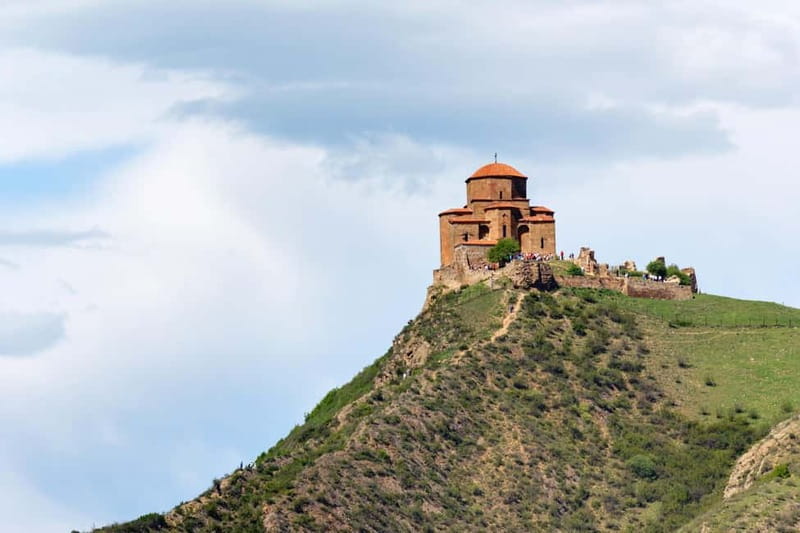
- Jvari comes first: Spend about 40 minutes at the sixth-century monastery above Mtskheta, with broad views over the town and surrounding countryside.
- Svetitskhoveli gets the most time: The visit lasts around 80 minutes, giving you time for the cathedral, exterior details, photographs, and a guided explanation.
- Samtavro is the quietest stop: Its peaceful monastery complex connects the Virgin Mary, St. Nino, and Georgia’s early Christian story.
- The $15 price is unusually low: Transport, a professional guide, and the main visits make this a strong choice for a short introduction to the region.
- English and Russian are available: Ask at the start how the guide will divide the commentary if both languages are represented.
- The meeting point is central: You meet at Tbilisi’s Old Town Meidan, in front of the Machakhela restaurant, then return to the same central area.
Why Mtskheta matters to Georgia
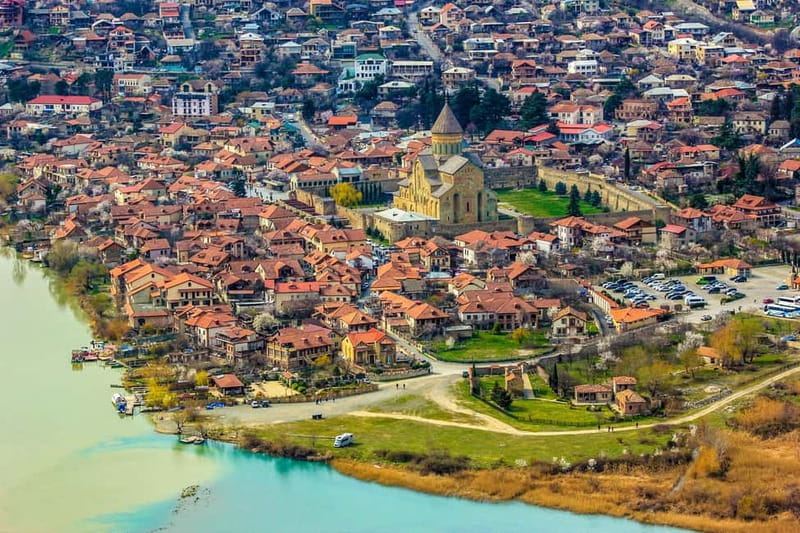
Mtskheta is not simply an old town outside Tbilisi. It was Georgia’s ancient capital and served as a political, cultural, and religious center for centuries. Today, it is regarded as the country’s spiritual heart, and the city’s churches still draw people for worship and pilgrimage.
The town is part of the Mtskheta-Mtianeti region and is recognized as a UNESCO World Heritage site. That status is useful context, but the real appeal comes when you see how closely the religious buildings sit within the town. You are not being sent from one distant monument to another. Mtskheta’s important sites are tied to the streets, traditions, and memory of the place.
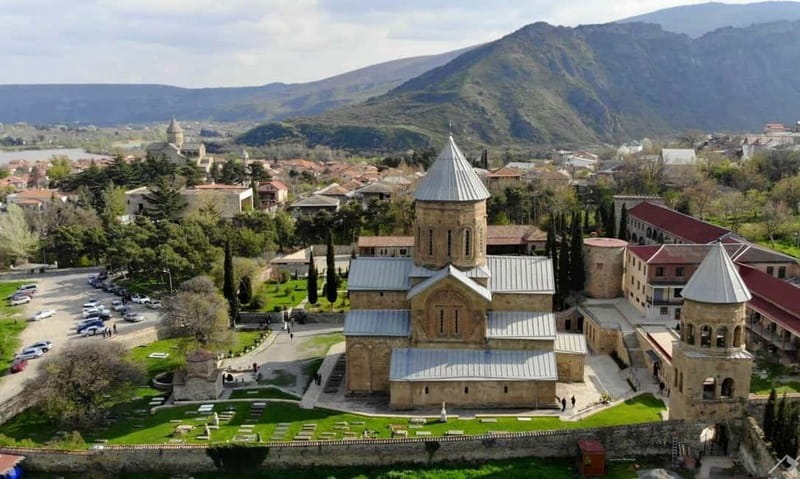
The route begins at Jvari Monastery, then continues to Svetitskhoveli Cathedral and Samtavro Monastery. This order works well. You first see Mtskheta from above, then enter its most important cathedral, and finish at a quieter monastic complex within the town.
The meeting point is convenient if you are staying in central Tbilisi. Find the Old Tbilisi Meidan square and look for the Machakhela restaurant. The listed starting location is 1 Samghebro Street, and the tour returns there after the visits. Hotel pickup and drop-off are not included, so you need to make your own way to Meidan.
More half-days at Mtskheta and Jvari:
- Tbilisi: Mtskheta, Jvari, Gori and Uplistsikhe Day Tour
★ 4.9 · 2,396 reviews - Day Trip to Mtskheta Gori and Uplistsikhe
★ 5.0 · 1,801 reviews - Tbilisi: Mtskheta Jvari Bazaar, Chronicles of Georgia & Wine
★ 5.0 · 1,088 reviews
Jvari Monastery and the view over Mtskheta
Jvari Monastery is the first major stop, with about 40 minutes for the visit, a guided explanation, and photographs. It sits on a hill above Mtskheta, so the approach gives you an immediate sense of the town’s setting and importance.
The monastery dates from the sixth century and is closely tied to the early spread of Christianity in Georgia. According to the tradition explained here, King Mirian of Iberia was baptized in the fourth century, an event linked to Georgia’s official conversion to Christianity. That makes Jvari more than a scenic viewpoint. It is a place connected to one of the defining changes in the country’s past.
I would pay attention to the relationship between the church and the view. From the hill, you can look down toward Mtskheta and see why this location had such spiritual and strategic value. The sight is especially helpful before you walk through the town below, since it gives you a clear sense of how the monuments relate to one another.
Forty minutes is enough for a focused stop, but not a long, unhurried visit. You will have time to hear the main story, take pictures, and look around, though the schedule does not invite a slow architectural study. Bring a camera, but remember that this remains an active religious site. Dress respectfully and avoid treating the interior like a casual photo studio.
The hilltop setting also means weather matters. Sun can be strong, and there may be little reason to count on shade, so a hat, sunscreen, and water are sensible. Comfortable shoes are important from the beginning of the day.
Svetitskhoveli Cathedral, the tour’s central visit
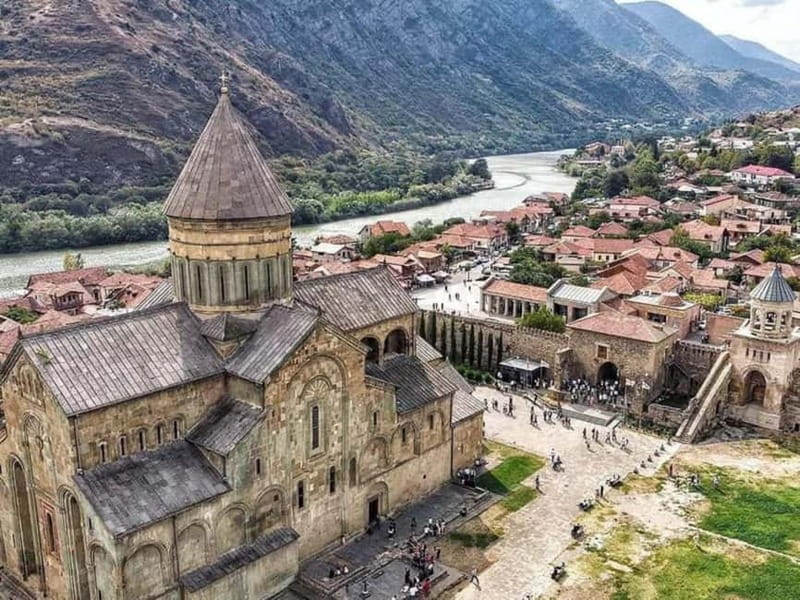
The longest stop is Svetitskhoveli Cathedral, with roughly 80 minutes for a guided visit, sightseeing, walking, and photographs. That extra time is well judged. This is the place where the history, architecture, and religious meaning of Mtskheta come together most clearly.
The cathedral dates from the 11th century and is considered one of Georgia’s holiest sites. It is traditionally associated with the burial place of Christ’s robe, which helps explain its importance as a pilgrimage destination. You do not need to share every religious belief to understand why this building carries such weight in Georgian culture.
Inside, look for the medieval stonework and frescoes. The cathedral’s design is a strong example of Georgian medieval architecture, with carved details that reward a slow look. A guide can help you understand what you are seeing, since some of the most meaningful details are not obvious at first glance.
I would use the 80 minutes in three parts. First, listen to the explanation so the building’s role makes sense. Next, walk around the interior and exterior at your own pace. Finally, leave time for photographs and a quiet look at the worshippers and pilgrims using the cathedral.
Food and drinks are not allowed inside the monuments. Keep water with you for the road, then drink it outside. Photography is allowed, but be considerate during prayer and follow any instructions given at the cathedral.
This is also where guide quality matters most. Mikhail has been praised for explaining the sites in an engaging way and for switching between English and Russian. David has been described as energetic and clear, with historical explanations that bring the places to life. Tamara has received praise for her storytelling and for handling practical problems calmly, including a technical issue with a minibus.
Those details matter because Svetitskhoveli can feel overwhelming if you only receive a list of dates and names. The best guides connect the cathedral to Georgia’s conversion to Christianity, its former capital, and the customs that still shape public life.
Samtavro Monastery and a quieter finish
Samtavro Monastery receives about 30 minutes. It is dedicated to the Virgin Mary and St. Nino, the Christian missionary strongly associated with Georgia’s conversion. Compared with Svetitskhoveli, Samtavro usually feels like a more restrained and peaceful stop.
The complex includes a church, a bell tower, and smaller chapels. The main church was originally built in the fourth century, although much of what you see has been rebuilt and restored. Inside are frescoes, including images of St. Nino, and an old tomb associated with the keeping of her relics.
Thirty minutes is enough to understand the site and enjoy its calm atmosphere. It is not enough for a detailed study of every chapel, so I would focus on the main church, the bell tower, and the parts of the complex your guide identifies as most important.
Samtavro is a good final stop because it gives the day a slower rhythm after the larger cathedral. The peaceful setting also offers a chance to think about the religious story you have followed from Jvari to Mtskheta. St. Nino’s role becomes easier to understand when you have seen several places connected to Georgia’s early Christian tradition.
Respectful behavior matters here too. Wear suitable clothing, keep food and drinks outside, and ask before taking close photographs of people or religious services. A hat and comfortable clothing are useful, though you should be ready to adjust what you wear inside the churches.
More Tbilisi days to weigh up
- Tbilisi: Day Trip to Kazbegi, Gudauri, Gergeti, and Ananuri
★ 4.9 · 3,203 reviews - Day Trip to Kakheti Wine Region Including 9 Wine Tastings
★ 5.0 · 2,774 reviews - Highlights of Caucasus Mountains-Jinvali,Ananuri,Gudauri,Kazbegi(Group tour)
★ 5.0 · 2,682 reviews - From Tbilisi: Kakheti Wine Region Tour with 9 Wine Tastings
★ 4.9 · 2,541 reviews
The guide can make or break a short tour
Four hours is not enough for a lecture, and that is a good thing. The strongest guides keep the historical background focused, then give you room to look around. Sasha’s experience is a useful example of the balance you want: clear explanations, quiet time during the drives, and flexibility when people needed different amounts of time or language help.
Diana has been praised for adding Georgian culture to the religious history, including winery traditions and the role of the tamada, the toastmaster at a Georgian feast. That wider context can make the visit more memorable because Mtskheta is not only about buildings from the past. It is also part of a living culture.
The tour uses English and Russian. If the group includes both languages, the guide may explain each point twice. That is practical, but it can reduce the amount of free time at each stop. One person specifically found the bilingual arrangement less efficient, even while rating the guide highly.
If you book, ask at the beginning whether the tour will be bilingual. You can then decide where to stand, when to take photographs, and whether to listen to both explanations. If you speak Russian, you may receive a fuller conversation in a Russian-led group. English speakers have also reported clear translations and good communication.
A technical problem with the minibus caused some disruption on one outing, but the guide handled it efficiently. That is a reminder that low-cost shared transport can involve ordinary road delays or vehicle issues. The schedule is short, so even a small delay can affect the time at a stop.
What the $15 price really gives you
At $15 per person, this is one of the easier day-trip decisions from Tbilisi. You receive a professional guide, transport between the sites, a guided Jvari visit, admission to Svetitskhoveli Cathedral, and a visit to Samtavro Monastery.
The value comes from the combination. You could reach the area independently, but you would need to arrange transport, identify the correct viewpoints, and learn enough background to understand why these three sites matter. A guide also helps you use limited time well.
Meals are not included. This is not a problem for a four-hour outing, but eat beforehand if you are sensitive to long gaps between meals. Carry water, especially in warm weather.
The published duration is four hours. One person described the full experience as closer to five hours including the outward and return journey, while another appreciated a five-hour version that still felt relaxed. Actual timing may vary with traffic, loading, explanations, and the pace of the group.
The trip begins around midday on some departures, which can suit people who want a slow morning in Tbilisi. A winter departure at noon was appreciated because it returned before dark. Check the available starting time when booking, since the exact departure schedule can vary.
Free cancellation up to 24 hours before departure and reserve-now, pay-later booking add useful flexibility. These terms are helpful if your Tbilisi plans are still changing, but check the conditions shown for your selected date.
Walking, clothing, and practical comfort
You should expect a moderate amount of walking. The tour is not designed for wheelchair users or people with mobility impairments, and the combination of hilltop access, church grounds, and historic surfaces may be tiring for anyone with limited mobility.
Wear shoes that you can walk in comfortably for several hours. Bring water, a hat, sunscreen, and a camera. Check the weather before leaving, since Jvari’s exposed hilltop position can feel very different from the streets of central Tbilisi.
Religious sites require respectful clothing and behavior. Photography is permitted, but the buildings are places of worship, not just monuments. Keep food and drinks outside, and follow the guide’s instructions if a service is taking place.
The meeting point is central, but allow enough time to find the correct restaurant and street corner. The return is to the same Meidan area, which makes it easy to continue exploring Old Tbilisi afterward.
Who will get the most from this half-day trip?
I would recommend this outing if you have limited time in Tbilisi and want to see the country’s most important Christian sites without committing to a full-day excursion. It also suits you if you prefer a guide who can explain the stories and customs rather than leaving you to decode the buildings alone.
It is a particularly good fit for first-time visitors, history fans, photographers, and anyone interested in Georgian religious culture. The route is compact, the price is low, and the three stops offer different moods: a hilltop monastery, a grand cathedral, and a quiet convent.
You may want another option if you need a wheelchair-accessible experience, dislike shared transport, or want a completely private schedule. The bilingual format may also test your patience if you prefer uninterrupted commentary in one language.
Should you book this tour?
For $15, I think this is a very strong half-day introduction to Mtskheta and Georgia’s Christian heritage. The cathedral receives the most time, Jvari supplies the memorable hilltop view, and Samtavro adds a calmer final visit.
Book it if you want efficient sightseeing, a central meeting point, and a guide who can add local stories to the major monuments. David, Tamara, Mikhail, and Diana have all been praised for warmth, clear explanations, humor, and practical help. Just allow for bilingual commentary, moderate walking, and possible timing changes on the road.
If you have only one free half-day beyond Tbilisi, this route gives you a lot for very little money. It will not provide a slow, private exploration of every chapel and carving, but it gives you the essential places, the main stories, and a useful first understanding of why Mtskheta matters.
FAQ
How long does the tour last?
The scheduled duration is four hours. Actual timing can sometimes be closer to five hours when the driving time, traffic, and time spent at each site are included.
Where does the tour begin?
Meet at the central square of Old Tbilisi, called Meidan, in front of the Machakhela restaurant. The listed starting location is 1 Samghebro Street.
Which languages are available?
The live guide service is available in English and Russian. If both language groups join the same departure, the guide may repeat explanations in both languages.
Is hotel pickup included?
No. Hotel pickup and drop-off are not included. You need to reach the central Meidan meeting point independently.
Are meals included?
No. Meals are not included. Food and drinks are also not allowed inside the monuments, so bring water and eat before or after the visit.
Is the tour suitable for wheelchair users?
No. The experience is not suitable for wheelchair users or people with mobility impairments. You should also wear comfortable shoes because the tour includes a moderate amount of walking.
Just added near Tbilisi
- Wine Tasting feel the Difference of Qvevri or Classical Wine★ 4.4 · 10 reviews
- Walking Tour in Old Tbilisi – Group Tour★ 4.5 · 8 reviews
- From Tbilisi: Kakheti and Kazbegi 2-Day 4X4 Jeep Tour pack★ 5.0 · 6 reviews
- Tbilisi: Vintage Fashion and Secondhand Thrifting Tour★ 5.0 · 11 reviews
- Uforgatable Kakheti Tour with wine tasting – in Georgia★ 4.9 · 5 reviews
- From Tbilisi: Uplistsikhe Caves and Mtskheta Town Day tour★ 5.0 · 2 reviews
- Tbilisi Airport to Gudauri, Bakuriani, Batumi, Tbilisi★ 5.0 · 3 reviews
- Private Adorable City Tour of Tbilisi★ 5.0 · 3 reviews
Mtskheta and Jvari Tours, compared.
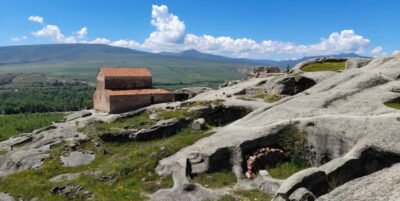
Mtskheta, Jvari, Gori and Uplistsikhe Day Tour
Read our review →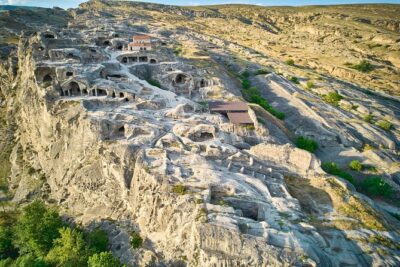
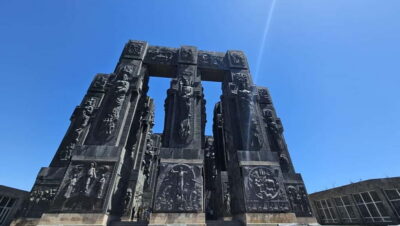
Mtskheta Jvari Bazaar, Chronicles of Georgia & Wine
Read our review →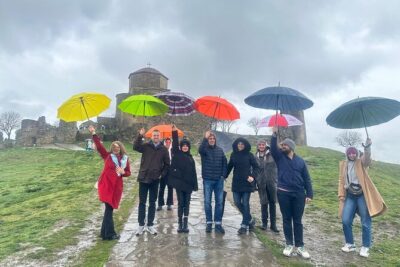
Mtskheta,Jvari,Bazaar,wine tasting,Chronicles of Georgia
Read our review →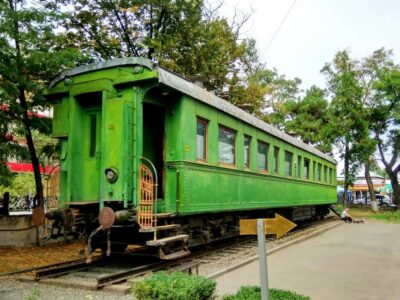
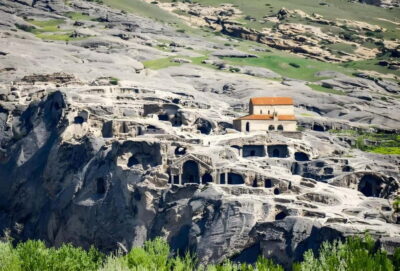
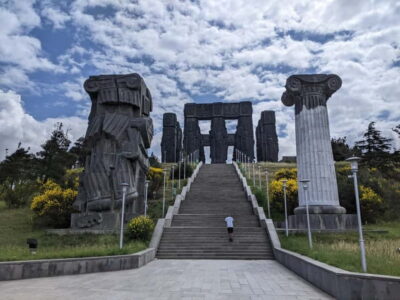
The Chronicles of Georgia, Jvari & Mtskheta Tour
Read our review →
Browse the lists this tour appears in