
Reviewed · CAVE CITIES AND UPLISTSIKHE TOURS
From Tbilisi: Rainbow Mountain & David Gareja Monastery Trip
Georgia’s wild side is closer than you think. This $39 half-day trip leaves Tbilisi for the country’s only semidesert, where striped mineral hills, a salty lake, and a cave monastery make an unusually varied outing. I like the mix of geology and culture, and I like that the tour keeps the day to about seven hours rather than turning it into an exhausting full-day haul. The main caution is the walking: steep slopes, exposed paths, wind, and poor weather can limit the hiking.
The strongest part is the guiding. Guides such as Iva, Dimitri, Beka, Misho, Niko, Tota, and Metro have been praised for clear English, useful historical context, and a friendly way with questions. Bring your own picnic, though. Food and drinks are not included, and the roadside stop is convenient but can cost more than buying supplies in Tbilisi.
In This Review
- Key points to know before you book
- Why this trip feels different from a standard Tbilisi day out
- Meeting at Avlabari and stocking up for the road
- Crossing Georgia’s semidesert toward Udabno
- Kapatadze Lake: a short stop with strong photographs
- Walking through the Rainbow Mountains
- David Gareja Lavra, caves, faith, and the border
- What the guides add to the day
- Timing, comfort, and the return to Tbilisi
- Who should book this outing?
- Should you book the Rainbow Mountains and David Gareja trip?
- FAQ
- Where does the tour start?
- What time does the tour begin?
- How long does the experience last?
- Is lunch included?
- Is the tour conducted in English?
- What is included in the price?
- Is hiking part of the tour?
- Can children join the trip?
- What should I bring?
Key points to know before you book
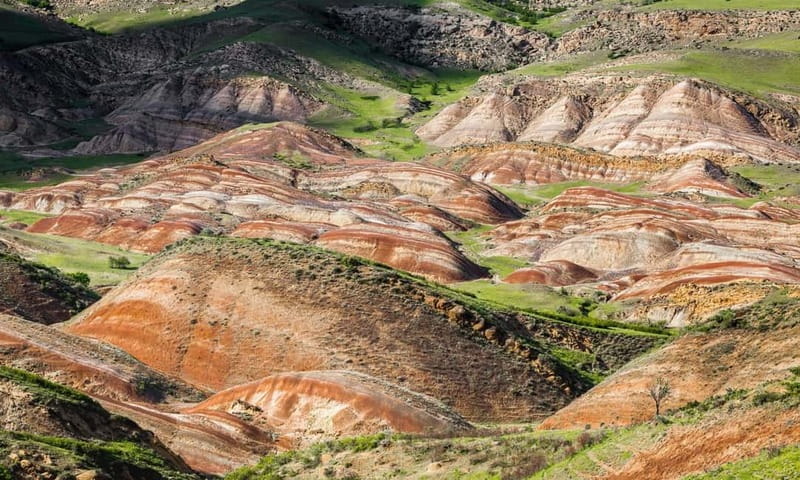
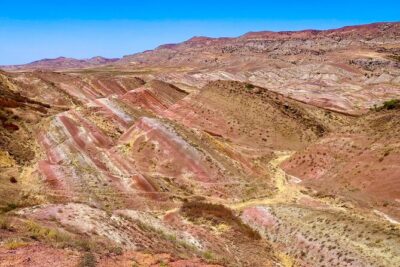
- Rainbow Mountains are made for photographs: Mineral-rich sedimentary rock creates bright bands of red, yellow, orange, and pale earth tones.
- David Gareja combines faith and frontier history: The monastery sits near the Georgia-Azerbaijan border, with cave churches and a lonely defensive setting.
- The salty lake is a quick but worthwhile stop: Its edges make especially good close-up photographs.
- The walk can be steep and weather-dependent: Strong wind, rain, ice, and cold can change the plan.
- The guide makes a major difference: English-speaking guides explain Georgian culture, monastery life, geology, and current border context.
- The price is strong for the time and inclusions: At $39, transport, entrance fees, and a certified guide are covered.
Why this trip feels different from a standard Tbilisi day out
Many excursions from Tbilisi lead toward vineyards, mountain valleys, or famous towns. This one goes in another direction entirely. After leaving the city, you pass into dry, open country around Udabno, whose name translates as desert. It is a sharp change from the greener parts of Georgia and one of the easiest ways to see how varied the country can be in a single morning.
I like that this is not just a monastery transfer. You get three distinct settings: the semidesert, Kapatadze Lake, and the Rainbow Mountains, followed by David Gareja Lavra. The cultural part gives the day purpose, while the colored hills keep it visually exciting.
The tour is priced at $39 per person. That is good value if you want a guided outing without hiring a private car. The price includes an air-conditioned vehicle, entry fees, and an English-speaking certified guide. It does not include lunch, snacks, or drinks, so the real cost is slightly higher once you buy provisions.
The experience is marketed as seven hours. The schedule begins at Avlabari Metro Station at 9:45 in the morning and returns there at about 5:00 in the afternoon. That timing leaves your evening free for dinner in Tbilisi.
More cave cities you can walk through:
- Tbilisi: Mtskheta, Jvari, Gori and Uplistsikhe Day Tour
★ 4.9 · 2,396 reviews - Day Trip to Mtskheta Gori and Uplistsikhe
★ 5.0 · 1,801 reviews - Tbilisi: Borjomi, Rabati & Vardzia Adventure Guided Tour
★ 4.9 · 817 reviews
Meeting at Avlabari and stocking up for the road
The practical starting point is Avlabari Metro Station. Look for the representative holding an orange flag in front of the entrance. A short transfer of about 15 minutes leads to a shopping stop in Tbilisi, where you can buy snacks and drinks.
Take this stop seriously. There is no included meal, and the day includes a long drive plus walking in an exposed area. Water, fruit, sandwiches, and something salty or sweet are sensible choices. One roadside stop is available later, but buying everything there may be more expensive.
The vehicle is air-conditioned, and transport has received especially strong marks, with 92 percent of ratings giving it a perfect score. Most departures use a minivan or coach. Conditions can vary, however. One summer departure had a minor air-conditioning problem that was corrected after it was reported, while another winter trip handled icy roads well.
Crossing Georgia’s semidesert toward Udabno
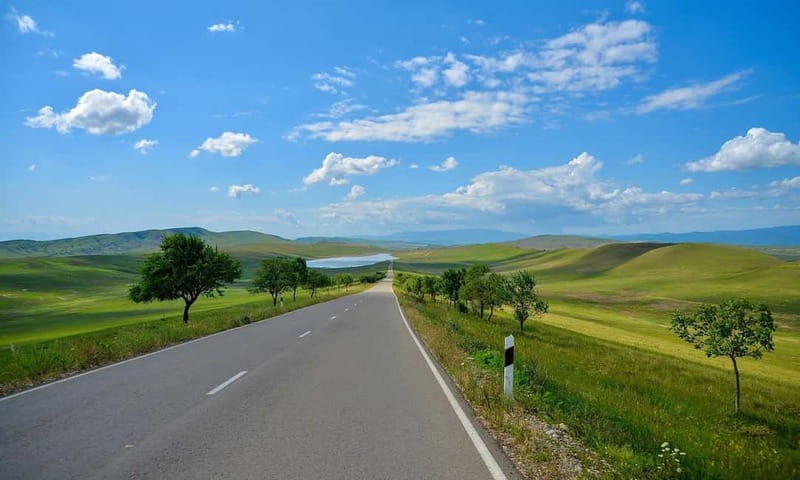
The first major drive lasts about an hour. This is not a scenic route in the classic Georgian sense of forests and dramatic peaks. Instead, you see broad, dry hills and a spare, open setting that gives the trip its Georgian Sahara nickname.
That emptiness is part of the appeal. The region near Udabno feels far removed from Tbilisi, even though it can be reached in a few hours. The route also gives your guide time to explain the area, Georgian culture, and the setting near Azerbaijan. Guides have been praised for making the drive useful rather than treating it as dead time.
A guide such as Beka may connect the day’s sites to wider Georgian history and practical advice for getting around Tbilisi. Dimitri has been praised for keeping the schedule moving while making room for questions. The exact guide changes, but an English-speaking guide is provided.
Do not expect a silent ride. Some guides play Georgian music on the return journey, and the atmosphere can become quite social. That will suit you if you enjoy conversation and a friendly group. If you prefer a quiet private trip, a small custom tour may be a better fit.
Kapatadze Lake: a short stop with strong photographs
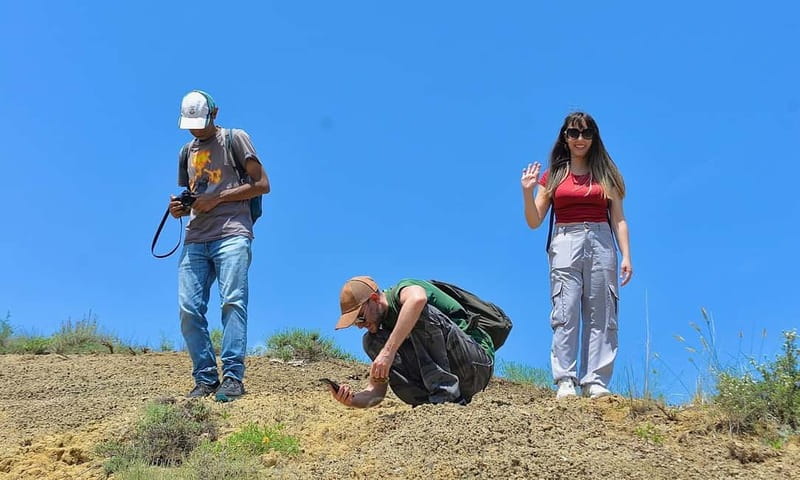
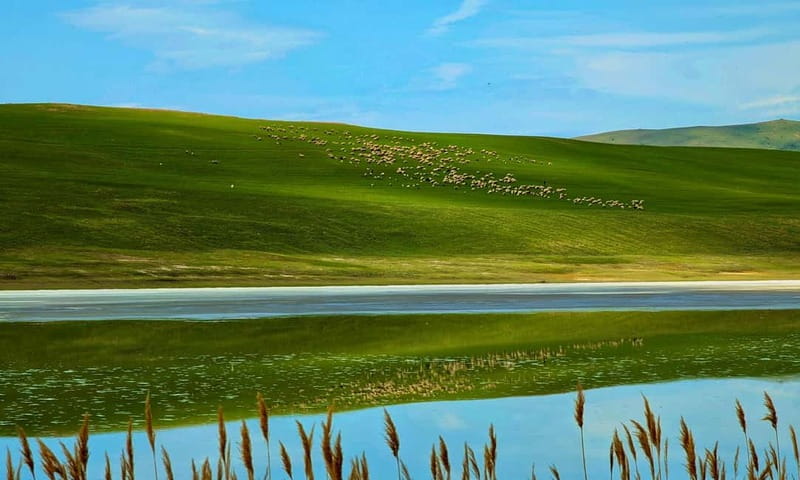
After roughly another hour and a half of driving, including the route toward the monastery area, the tour stops at Kapatadze Lake. The scheduled break is about 15 minutes, enough for a short walk and photographs.
The lake is salty, and the shore is especially worth inspecting through your camera. Close-up photographs of the salt along the edges can show textures that are easy to miss from a distance. The stop is brief, so you will not have time for a long shoreline walk or a relaxed meal.
I see the lake as a useful pause rather than the main event. It breaks up the road journey and gives you a completely different subject from the dry hills. Keep your camera ready, but do not build the whole trip around spending a long time here.
More Tbilisi days to weigh up
- Tbilisi: Day Trip to Kazbegi, Gudauri, Gergeti, and Ananuri
★ 4.9 · 3,203 reviews - Day Trip to Kakheti Wine Region Including 9 Wine Tastings
★ 5.0 · 2,774 reviews - Highlights of Caucasus Mountains-Jinvali,Ananuri,Gudauri,Kazbegi(Group tour)
★ 5.0 · 2,682 reviews - From Tbilisi: Kakheti Wine Region Tour with 9 Wine Tastings
★ 4.9 · 2,541 reviews
Walking through the Rainbow Mountains
The colorful hills are the visual centerpiece. Mineral-rich sedimentary rock forms stripes across the slopes, giving the hills their painted appearance without any human hand involved. The colors may look strongest in direct light, but the area remains striking in changing weather too.
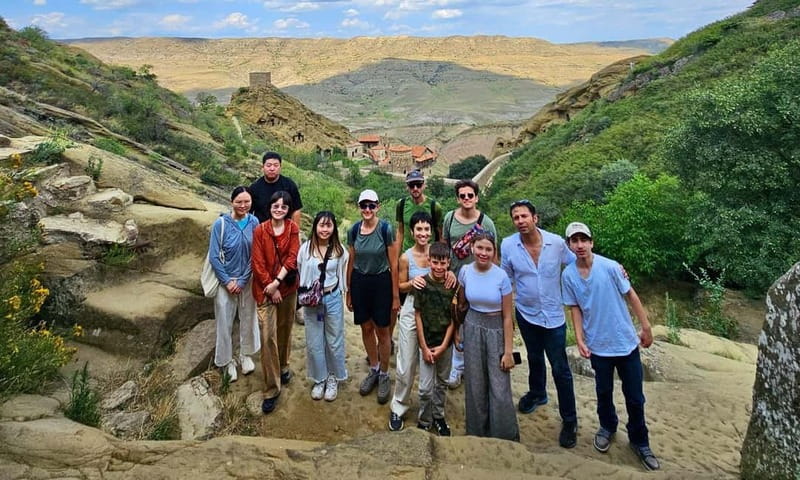
The walk begins after the drive, and the group follows paths through the Rainbow Mountains. Several departures included around 80 minutes of walking, while other outings offered shorter routes depending on conditions and the needs of the group. The ground is uneven, and some slopes are steep.
This is where sturdy footwear matters. Comfortable shoes are specifically recommended, and I would avoid smooth city trainers if you have a choice. A hat and sunscreen are also important because the area is open and exposed.
The weather can change the experience sharply. Rain may make the paths unsuitable, as happened on some departures. Strong wind is another real issue, especially in winter. One January outing was described as extremely cold and windy, while an icy-road trip still ran comfortably with a careful driver.
The tour operates in all weather, but that does not mean every activity will happen in every condition. If rain arrives, you may see the mountains without doing the full walk. This is not a flaw in the operator so much as a limit of exposed clay and rock paths.
The best views can require a climb. Some people found the walk quite steep but worth the effort, while others chose a shorter route and still had time for photographs. If you have modest fitness, tell your guide early. The group can make practical adjustments, though the exact options depend on the day.
David Gareja Lavra, caves, faith, and the border
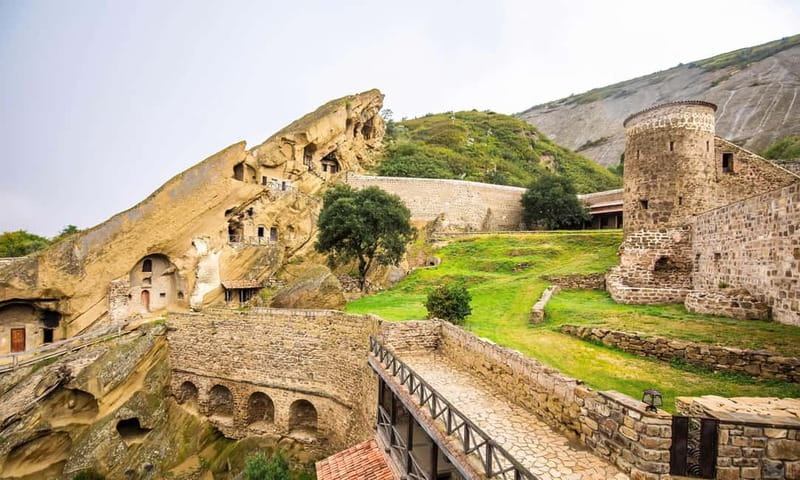
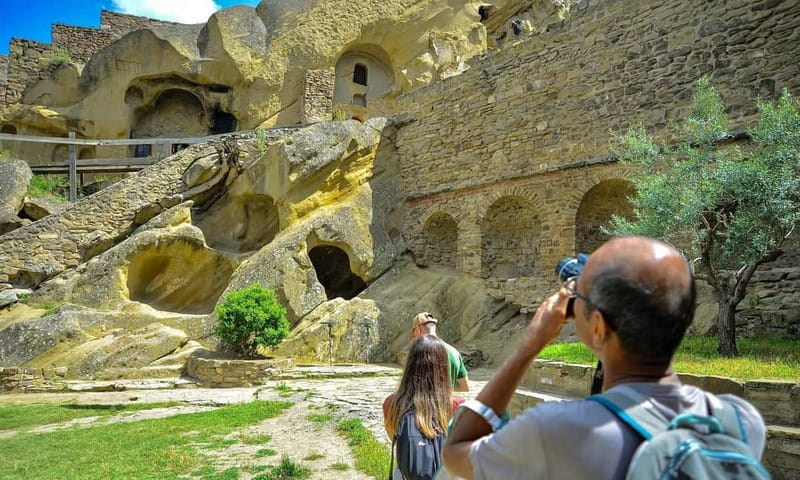
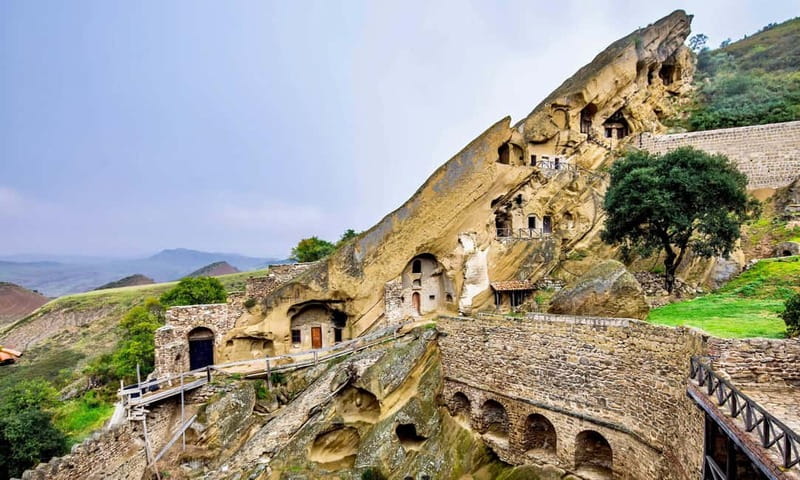
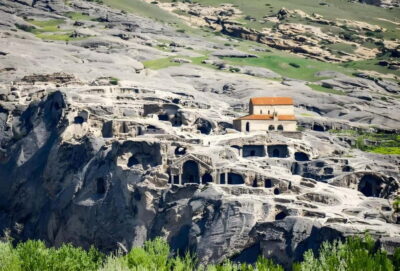
David Gareja Lavra is the cultural anchor of the outing. The monastery complex was founded in an isolated setting, and tradition holds that St. David chose this place so his disciples could live a holy life apart from wider society.
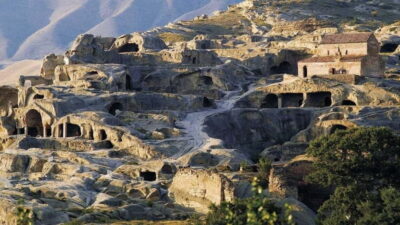
The setting explains much of the monastery’s character. Rather than appearing as a grand city church, David Gareja is carved into and built against barren hills. The combination of caves, walls, religious buildings, and open country makes the site feel remote and austere.
The guided visit lasts close to three hours in the planned schedule and includes sightseeing, walking, a historical explanation, and some hiking. Your guide will discuss monastic life, the site’s religious meaning, and the complicated history of this border region.
You may also see a Georgian soldier near the Georgia-Azerbaijan border. That detail adds a modern frontier note to an ancient religious place. It is a useful reminder that David Gareja is not only an archaeological site. It remains connected to present-day geography and politics.
The climb can involve steep stairs and slopes. A careful guide is valuable here. Oliver described his guide Dimitri as taking care to keep the group safe on difficult sections, and other departures praised guides for leading the walk at a manageable pace.
Do not expect every cave or church to be fully presented like a major museum. The appeal is the atmosphere, the rock-cut spaces, and the relationship between the monastery and its setting. If your main interest is polished interiors and formal displays, the site may feel basic. If you like places that still feel quiet and lived-in, it can be memorable.
What the guides add to the day
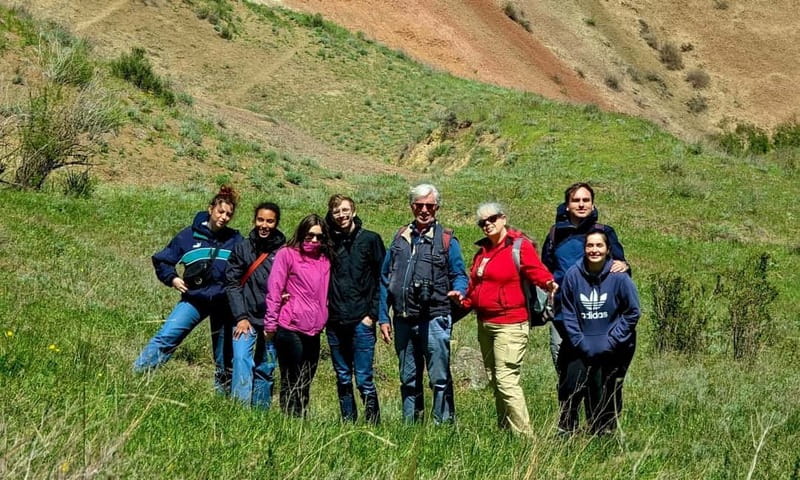
The guide is the difference between a scenic drive and a useful Georgian introduction. The most praised guides have done more than recite dates. They have explained geology at the Rainbow Mountains, the religious purpose of David Gareja, Georgian culture, and the border setting.
English ability is important because there is a lot to explain in a short time. Guides named Iva, Dimitri, Beka, Misho, Niko, Nene, Lado, Ana, Maria, Tota, Metro, and Gabriel have all been singled out for clear explanations, warmth, or good group management. You are not guaranteed a particular person, so book this for the structure and setting rather than one individual guide.
A good guide also helps with the social side of a shared minivan. Icebreakers, music, and a relaxed tone have helped some groups connect during the long return drive. That can make the seven-hour day feel lighter.
Timing, comfort, and the return to Tbilisi
The return drive from the monastery area takes about 115 minutes. By then, you may be ready for a nap, especially if you complete the longer hike. The air-conditioned vehicle is welcome after time in the sun, though winter departures require warm clothing rather than reliance on cooling.
The tour is efficient. You get a lake, colored hills, and a major monastery in one outing, yet you return around 5:00. The tradeoff is that the lake stop is short and the day involves substantial road time. You are paying for access to a remote region, not for hours at each attraction.
The group format also keeps the price low. At $39, the tour is a practical choice for a first visit to Georgia, especially if you do not want to arrange a driver, navigate the border region, or research the monastery yourself.
Who should book this outing?
I would recommend it to you if you enjoy unusual geology, open country, short hikes, religious sites, and photographs that look different from the usual Georgia itinerary. It suits couples, solo visitors, and families with older children. The minimum age is five, and one parent reported managing the trip well with a six-year-old by shortening the Rainbow Mountains walk.
It is less suitable if you need a wheelchair-friendly route, are pregnant, or dislike uneven ground. It is also a poor match for anyone expecting a leisurely lunch or a long, gentle walk. Children under five are not accepted.
Bring comfortable shoes, a hat, sunscreen, water, and a packed lunch. In cold months, add warm layers. In wet weather, expect the hiking portion to be reduced or canceled for safety.
Cancellation is flexible up to 24 hours before departure for a full refund, and you can reserve now and pay later. Those terms are useful if the forecast looks uncertain, though they do not remove the need to check the weather before setting out.
Should you book the Rainbow Mountains and David Gareja trip?
Yes, if you want a compact and good-value escape from Tbilisi that combines a striking natural setting with one of Georgia’s most unusual religious sites. The high 4.9 rating from 705 reviews reflects the features that matter most here: friendly guides, clear English, professional drivers, comfortable transport, and memorable scenery.
Book it knowing the day is weather-sensitive and includes a picnic rather than a restaurant meal. Choose sturdy shoes, buy food before leaving Tbilisi, and expect wind. If those conditions sound fine, this is one of the strongest short excursions for seeing a quieter, stranger side of Georgia.
FAQ
Where does the tour start?
The meeting point is Avlabari Metro Station in Tbilisi. A representative waits in front of the entrance with an orange flag.
What time does the tour begin?
You should meet at 9:45 AM. The tour returns to Avlabari Metro Station at about 5:00 PM.
How long does the experience last?
The trip lasts about seven hours.
Is lunch included?
No. Food and drinks are not included. You can buy snacks during a shopping stop in Tbilisi, and bringing a picnic is recommended.
Is the tour conducted in English?
Yes. The tour includes a live English-speaking guide.
What is included in the price?
The $39 price includes transportation by air-conditioned vehicle, entrance fees, and a certified tour guide.
Is hiking part of the tour?
Yes. The tour includes walking and hiking at the Rainbow Mountains and David Gareja Monastery. The length of the walk can change with weather and group conditions.
Can children join the trip?
Children aged five and older can join. Children under five are not accepted.
What should I bring?
Bring comfortable shoes, a hat, and sunscreen. You should also bring food and drinks, since they are not included.
Just added near Tbilisi
- Wine Tasting feel the Difference of Qvevri or Classical Wine★ 4.4 · 10 reviews
- Walking Tour in Old Tbilisi – Group Tour★ 4.5 · 8 reviews
- From Tbilisi: Kakheti and Kazbegi 2-Day 4X4 Jeep Tour pack★ 5.0 · 6 reviews
- Tbilisi: Vintage Fashion and Secondhand Thrifting Tour★ 5.0 · 11 reviews
- Uforgatable Kakheti Tour with wine tasting – in Georgia★ 4.9 · 5 reviews
- From Tbilisi: Uplistsikhe Caves and Mtskheta Town Day tour★ 5.0 · 2 reviews
- Tbilisi Airport to Gudauri, Bakuriani, Batumi, Tbilisi★ 5.0 · 3 reviews
- Private Adorable City Tour of Tbilisi★ 5.0 · 3 reviews
Cave Cities and Uplistsikhe Tours, compared.
Mtskheta, Jvari, Gori and Uplistsikhe Day Tour
Read our review →
Borjomi, Rabati & Vardzia Adventure Guided Tour
Read our review →
Browse the lists this tour appears in