
Reviewed · WALKING TOURS
Tbilisi: Crime Stories & Hidden Tales Walking Tour
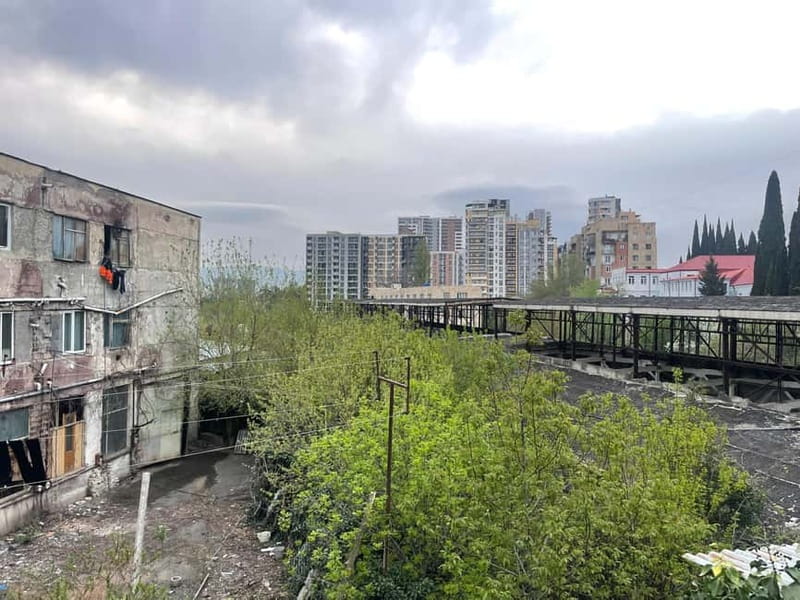
Dark stories, local streets, no tourist gloss. This 90-minute walk takes you through one of Tbilisi’s most notorious neighborhoods, where criminal bosses once held power and everyday people learned how to survive. I like the local perspective, especially because the guide grew up in the area, and I like the way the tour connects old crime stories with present-day life. The main caution is clear: this is not a light sightseeing walk, and some stories may feel harsh or upsetting.
Guide Lasha has earned especially strong praise for his knowledge of the neighborhood and his engaging style. I would choose this experience if you want Tbilisi beyond churches, balconies, and postcard views. At $22, it offers good value for a small slice of the city that is difficult to understand from a standard sightseeing route, though children under 16 cannot join and the walk is not suitable for wheelchair users.
In This Review
- Key points to know before you book
- Why this is a different side of Tbilisi
- Entering a neighborhood shaped by fear
- Former homes of criminal bosses
- Crime scenes and the mechanics of the underworld
- Abandoned buildings and homes for war refugees
- The guide makes or breaks the experience
- Is $22 a fair price for 90 minutes?
- Who should take this walk?
- Practical advice for a better experience
- Should you book the Crime Stories & Hidden Tales tour?
- FAQ
- How long does the Tbilisi Crime Stories & Hidden Tales tour last?
- How much does the tour cost?
- Which languages are available?
- Who leads the tour?
- What will I see on the walk?
- Is the tour suitable for children?
- Can wheelchair users take this tour?
- Can I cancel the booking?
Key points to know before you book
- A local view of Tbilisi: Your guide grew up in the neighborhood and shares personal knowledge that is not normally found in guidebooks or official history.
- Crime scenes and former homes: The route passes places linked to criminal bosses, including former homes and locations connected with serious crimes.
- A look at unwritten rules: You hear how the underworld operated, how gangs dealt with police, and how ordinary residents lived around that power.
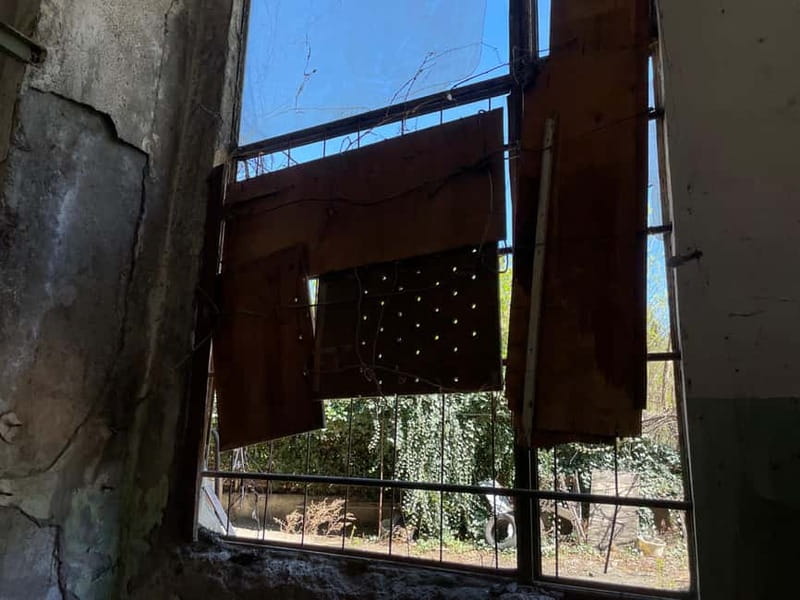
- Abandoned buildings and refugee homes: The walk also touches on neglected parts of the neighborhood and homes used by war refugees.
- Short but intense: The tour lasts 1.5 hours, enough time for a focused introduction without taking up half your day.
- Best for mature visitors: The subject matter is dark, and the minimum age is 16.
Why this is a different side of Tbilisi

Most first visits to Tbilisi focus on the Old Town, sulfur baths, churches, courtyards, and grand views from the hills. Those places matter, but they show only one version of the city. This walk turns your attention toward a neighborhood shaped by fear, loyalty, poverty, crime, and survival.
The tour is less about famous monuments and more about reading the streets. A house may look ordinary until you learn who once lived there. An unremarkable corner may become meaningful when you hear that a crime took place nearby. That change in perspective is the main value of the experience.
I also like that the tour does not treat the criminal underworld as a simple story of good people and bad people. You hear about bosses, gang leaders, police, and residents, but also about the difficult choices made by people living through dangerous periods. The focus is on how the system worked and how it affected the wider neighborhood.
That makes this useful for anyone who wants a better sense of how Tbilisi changed over time. You are not just collecting shocking anecdotes. You are hearing how power operated at street level.
More Walking Tours in Tbilisi
- Tbilisi Walking Tour Including Cable Car and Traditional Bakery
★ 5.0 · 1,310 reviews - Tbilisi: City Highlights Guided Walking Tour
★ 4.9 · 1,114 reviews - Tbilisi:Evening Walking & Talking Tour with Wine & Boat Ride
★ 5.0 · 572 reviews
Entering a neighborhood shaped by fear
The walk begins in one of the city’s most notorious areas. The exact starting point and route can vary with availability, so check the meeting details when booking. What matters is that you quickly leave the usual sightseeing script and begin exploring streets connected with Tbilisi’s criminal past.
Your guide introduces the area through stories of criminal bosses and gang leaders who once had influence there. These figures were not distant names from a textbook. They were tied to houses, streets, and local relationships. That physical connection gives the stories more weight.
You should expect a walking tour rather than a museum-style presentation. There are no displays or formal exhibits to explain the past. Instead, the neighborhood itself provides the setting, while your guide supplies the missing information.
This format works best when you pay attention to small details. Look at building entrances, side streets, abandoned structures, and homes that might otherwise seem unimportant. The tour asks you to imagine how a place functioned when criminal authority shaped daily life.
The setting may also feel rough around the edges. That is part of the point, but it means you should not expect polished streets or a carefully arranged visitor route. Wear practical shoes and be ready for an urban walk through less developed areas.
Former homes of criminal bosses

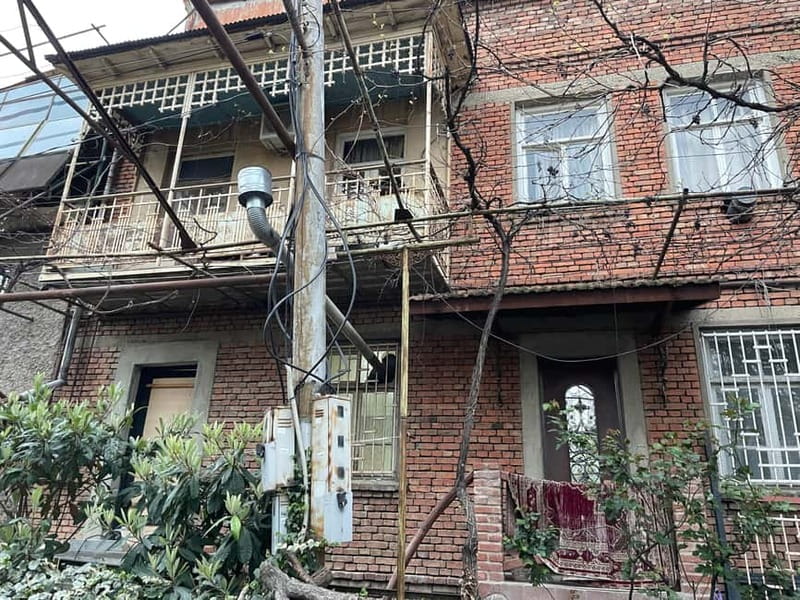
One of the strongest parts of the experience is passing homes once associated with criminal bosses. A former residence can tell you something that a general lecture cannot. It shows that the criminal world existed in the same streets where families lived, children played, and neighbors carried on with ordinary routines.
Your guide explains who occupied these properties and how their position affected the area. The interest is not only in the personalities involved. You also learn how people connected to them, how status worked, and why certain individuals could command fear or loyalty.
These houses may not look dramatic from the outside. Do not expect grand crime-movie architecture or large signs explaining what happened there. Their value comes from the story attached to them. Without Lasha or another local guide, you could easily walk past without realizing their importance.
That is where the local background matters. The experience depends heavily on the person leading it. A guide who knows the streets and understands their social memory can provide far more than a list of dates and names. Lasha receives particular praise for explaining details that are difficult to find online, including the kind of neighborhood knowledge that search engines cannot reproduce.
Crime scenes and the mechanics of the underworld
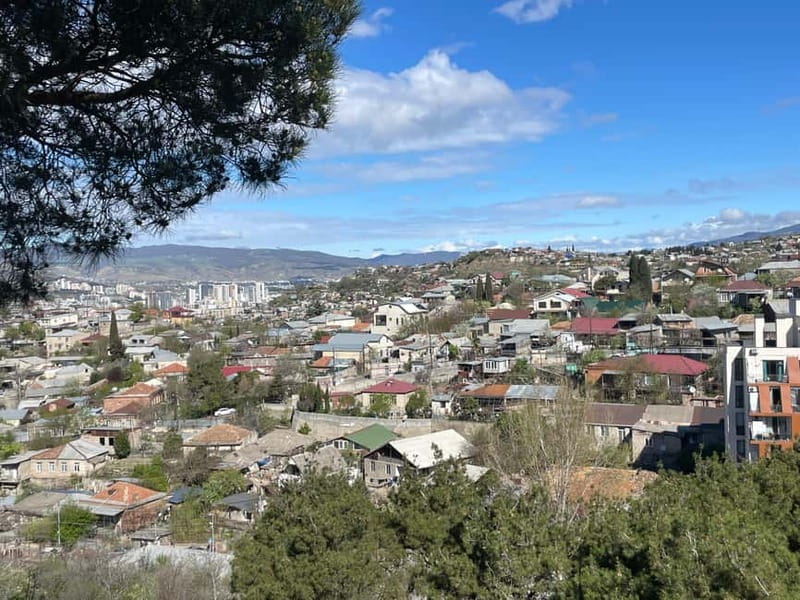
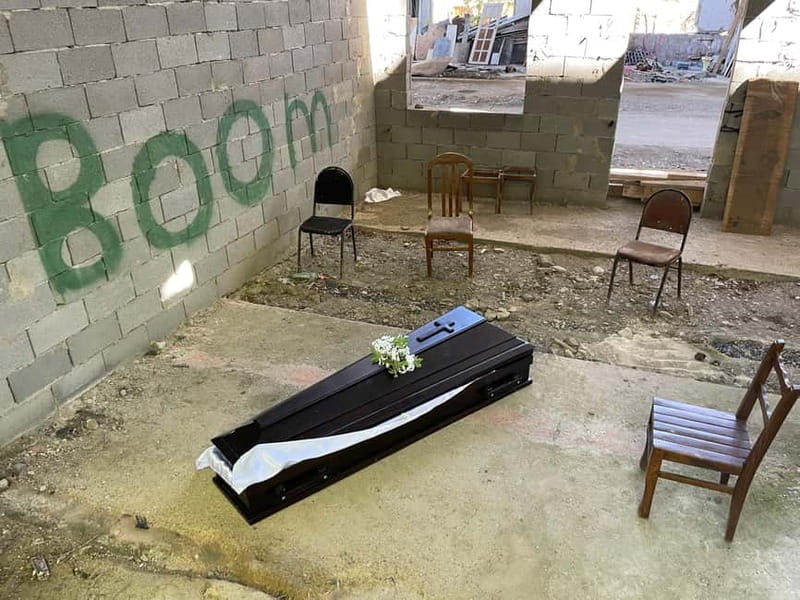
The tour also visits locations connected with crimes. The descriptions provided for the experience do not list every site in advance, so you should not expect a fixed catalog of famous cases. Instead, the guide brings the locations to life through local stories.
The most useful part is the explanation of how the criminal system functioned. You learn about the rules of the underworld, underground dealings, and the relationship between gangs and police. That wider context keeps the tour from becoming a string of sensational stories.
You may hear about people who survived these conditions, as well as those who did not. The tone is intended to be direct and serious. If you prefer cheerful sightseeing, this is probably the wrong choice. If you are interested in how communities cope with violence and informal power, the subject gives you plenty to think about.
The phrase banned and untold stories is part of the tour’s appeal, but you should treat it as a promise of local oral history rather than proof that every detail is impossible to find elsewhere. Some information may be difficult to locate online, while other parts may reflect personal memory and neighborhood knowledge. Listen with interest, but keep a sensible distance from dramatic claims.
That balance is especially important on a crime-focused tour. The best approach is to enjoy the access to local stories while remembering that personal accounts can be selective. The experience is strongest as a window into how people remember the past, not as a formal legal record.
A slower pace, same corner of the Caucasus:
- Tbilisi: Day Trip to Kazbegi, Gudauri, Gergeti, and Ananuri
★ 4.9 · 3,203 reviews - Day Trip to Kakheti Wine Region Including 9 Wine Tastings
★ 5.0 · 2,774 reviews - Highlights of Caucasus Mountains-Jinvali,Ananuri,Gudauri,Kazbegi(Group tour)
★ 5.0 · 2,682 reviews - From Tbilisi: Kakheti Wine Region Tour with 9 Wine Tastings
★ 4.9 · 2,541 reviews
Abandoned buildings and homes for war refugees
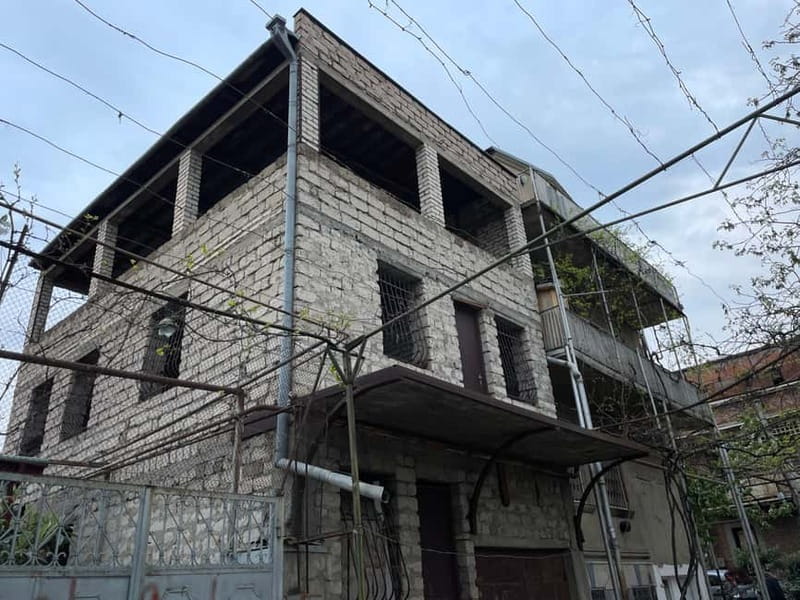
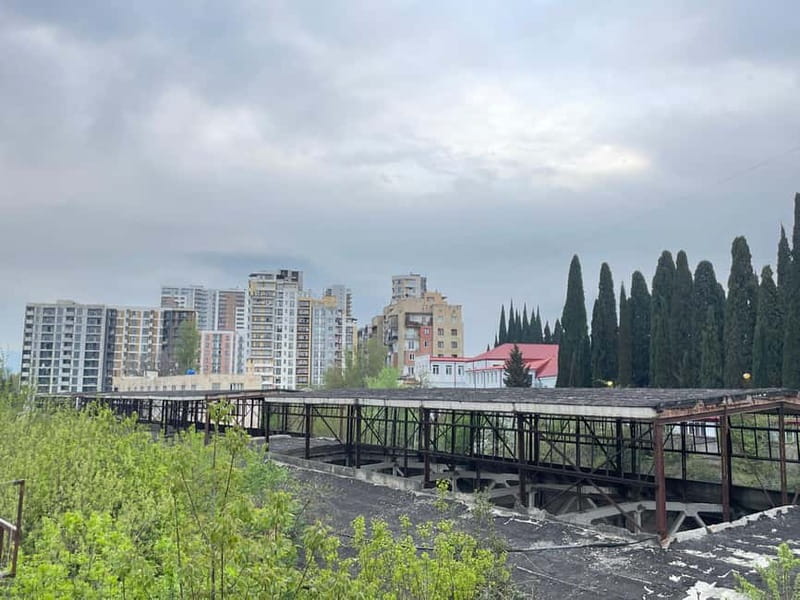
The walk includes abandoned buildings and homes of war refugees. These locations broaden the tour beyond gang stories. They show what happens to a neighborhood after periods of conflict, displacement, and economic hardship.
An abandoned building can seem like a simple photograph opportunity, but here it helps explain the condition of the area. It may suggest interrupted lives, neglected infrastructure, or the long effects of instability. Your guide connects those visible signs with the human stories behind them.
The reference to war refugees is also important. It shifts the focus from criminals to people who had to rebuild their lives under difficult conditions. You gain a more complete picture of the neighborhood, one that includes fear and crime but also displacement and endurance.
Do not expect a restored historic quarter. You may find worn surfaces, neglected spaces, and buildings with limited access. The tour is about seeing and hearing, not entering unsafe structures. Stay with your guide and follow any instructions around abandoned properties.
For me, this is one reason the walk has more value than a simple crime-themed outing. It places the underworld within a wider social setting. The area is not just a backdrop for infamous characters. It is also a home for people who had to manage the consequences of war, poverty, and political change.
The guide makes or breaks the experience
A tour built around local stories depends on the guide more than a standard monument tour does. Here, the guide is the main source of context, detail, and tone.
Lasha is specifically praised for knowing the neighborhood extremely well and for making the experience engaging. His local connection matters because the tour is built around stories that are not usually included in official city tours. You are not simply following a route. You are relying on someone to explain why each street or building matters.
The available tour languages are English and Russian. If you book in English, make sure you are comfortable following a detailed spoken account of crime, policing, and social history. The subject can involve complicated relationships and unfamiliar names, so listening carefully will make the walk more rewarding.
A good guide should also know how to handle sensitive material. The strongest approach is neither to glorify criminals nor to reduce the neighborhood to a place of danger. The positive feedback about Lasha suggests that his style is informative and personal rather than theatrical.
Still, keep your expectations realistic. This is not a scripted attraction with actors, lighting, or dramatic recreations. The experience depends on conversation, walking, and the guide’s ability to tell a story clearly.
Is $22 a fair price for 90 minutes?
At $22 per person, the tour sits in a reasonable range for a guided city experience. The value comes from access to local context rather than expensive admissions or major sights. You are paying for the guide’s time, neighborhood knowledge, and ability to connect places with stories.
The walk lasts 1.5 hours, which is a practical length. It is long enough to build a clear picture of the area, but short enough to fit around a museum visit, meal, or other Tbilisi plans. I like this format for the first or second day of a city stay, when you still have time to explore the better-known areas afterward.
The price is less convincing if you want monuments, panoramic views, or a broad introduction to Georgian culture. This is a narrow subject with a specific mood. You should book it because you want the criminal and social history, not because you need a general orientation tour.
You can also reserve now and pay later, which helps if your schedule is still changing. Free cancellation is available up to 24 hours before the tour for a full refund. Check the available starting times before booking, since the duration is fixed but the departure schedule can vary.
Who should take this walk?
I would recommend it to adults and older teenagers who are curious about the parts of a city that official tours often avoid. It suits you if you like oral history, local stories, urban change, and the social forces behind a place’s reputation.
It is also a good choice if you have already seen Tbilisi’s main sights. After visiting the Old Town and central attractions, this tour gives you a different way to understand the city. You begin to notice how various neighborhoods carry different memories and reputations.
You may not enjoy it if you want a relaxed stroll, cheerful anecdotes, or a polished route. The material is dark, and the tour specifically excludes children under 16. It is also not suitable for wheelchair users, so check your needs carefully before reserving.
Solo visitors can benefit from the guide’s storytelling, while couples and small groups may appreciate the chance to discuss the stories afterward. Since no group size is provided, do not assume the walk will be private or limited to a tiny number of people.
Practical advice for a better experience
Wear comfortable shoes. The tour uses city streets and hidden lanes rather than a single indoor venue, and the condition of the route may vary around abandoned buildings and less polished parts of the neighborhood.
Bring water, especially in warm weather, but keep your hands free enough to walk safely. A phone can help you take notes, but the important details will come from listening rather than photographing every location.
Approach the stories respectfully. You are hearing about real people, crimes, police relationships, displacement, and difficult memories. Avoid treating the neighborhood as a stage set for thrills. The experience is more worthwhile when you pay attention to the residents and social conditions behind the stories.
If you are sensitive to violence or crime narratives, ask yourself how much detail you want before booking. The tour description is unusually direct about its subject, and one enthusiastic assessment specifically warns that it is not for the faint-hearted.
Finally, plan something lighter afterward. Ninety minutes is not a long time, but the material may leave you thinking. A relaxed meal or walk through a familiar part of Tbilisi can provide a useful change of pace.
Should you book the Crime Stories & Hidden Tales tour?
Book it if you want a serious, local account of Tbilisi that goes beyond the standard sightseeing circuit. The best reasons are the neighborhood setting, the former homes and crime locations, and the chance to hear directly from a guide who grew up there. Lasha’s strong reputation adds confidence that the stories will be delivered with detail and energy.
Skip it if you want a family-friendly activity, a general city introduction, or a gentle walk through picturesque streets. The subject is adult in tone, the route is not wheelchair accessible, and the experience may feel heavy.
For the right audience, $22 is fair value. You get a focused look at a side of Tbilisi that is hard to access on your own, with enough time to learn something substantial without surrendering an entire afternoon.
FAQ
How long does the Tbilisi Crime Stories & Hidden Tales tour last?
The walking tour lasts 1.5 hours.
How much does the tour cost?
The price is $22 per person.
Which languages are available?
The tour is available with a live guide in English or Russian.
Who leads the tour?
The tour is led by a local guide from the neighborhood. Lasha is one guide specifically associated with the experience and grew up in the area.
What will I see on the walk?
You will pass hidden streets, abandoned buildings, former homes of criminal bosses, crime scenes, and homes connected with war refugees.
Is the tour suitable for children?
No. Children under 16 are not permitted to join.
Can wheelchair users take this tour?
No. The activity is not suitable for wheelchair users.
Can I cancel the booking?
Yes. You can cancel up to 24 hours in advance for a full refund. You can also reserve now and pay later.
Just added near Tbilisi
- Wine Tasting feel the Difference of Qvevri or Classical Wine★ 4.4 · 10 reviews
- Walking Tour in Old Tbilisi – Group Tour★ 4.5 · 8 reviews
- From Tbilisi: Kakheti and Kazbegi 2-Day 4X4 Jeep Tour pack★ 5.0 · 6 reviews
- Tbilisi: Vintage Fashion and Secondhand Thrifting Tour★ 5.0 · 11 reviews
- Uforgatable Kakheti Tour with wine tasting – in Georgia★ 4.9 · 5 reviews
- From Tbilisi: Uplistsikhe Caves and Mtskheta Town Day tour★ 5.0 · 2 reviews
- Tbilisi Airport to Gudauri, Bakuriani, Batumi, Tbilisi★ 5.0 · 3 reviews
- Private Adorable City Tour of Tbilisi★ 5.0 · 3 reviews
Walking Tours, compared.

Tbilisi Walking Tour Including Cable Car and Traditional Bakery
Read our review →

Evening Walking & Talking Tour with Wine & Boat Ride
Read our review →
Evening Walking Tour with Wine & Boat Ride Options
Read our review →
Old Tbilisi Highlights walking tour with wine & 10 tastings
Read our review →
Old Tbilisi Tour: Private Walking Tour With Wine Tasting
Read our review →
Private Tbilisi Food Tour: 9 Tastings Walk in Bohemian District
Read our review →
Tbilisi Old Town Walking Tour with a Local Guide
Read our review →Browse the lists this tour appears in