
Reviewed · CAVE CITIES AND UPLISTSIKHE TOURS
Tbilisi: David Gareja and Colorful hills of Semi-desert
Georgia changes character fast.
Leave Tbilisi behind and the farmland soon gives way to a dry, open semi-desert near the country’s southeastern border. I like the contrast between the sixth-century rock-cut monastery and the quiet hills around it. I also like the private format, with hotel pickup, a dedicated driver-guide, and time to walk rather than rush from one photo stop to the next. The main drawback is the uphill trek, which can feel tough if you have limited mobility or dislike uneven ground.
The seven-hour outing is a good fit if you want a day away from city streets without signing up for a long expedition. Guide George receives especially warm praise for safe driving, humor, and careful attention during the hike. Still, this is not a soft sightseeing day: bring sturdy, comfortable shoes, protect yourself from the sun, and expect a remote setting with few services.
In This Review
- Key Points Before You Book
- Leaving Tbilisi for Georgia’s Dry Southeast
- Udabno, a Desert Settlement with a Georgian Story
- David Gareja’s Rock-Cut Monastery
- The Uphill Walk to the Holy-Water Cave
- Walking the Gareja Colorful Hills
- What the Private Format Adds
- Who Will Enjoy This Day Most
- What to Bring for the Monastery and Hills
- Is David Gareja Worth Your Time?
- FAQ
- How long does the David Gareja tour take?
- Where does the tour begin and end?
- Is the tour private?
- Which languages does the guide speak?
- How much time is spent at David Gareja Monastery?
- Is there hiking on the tour?
- Is lunch included?
- What should I bring?
- Is the tour suitable for people with mobility impairments or pregnant women?
Key Points Before You Book
- David Gareja dates to the sixth century: The monastery was founded by the monk David and includes caves carved into the rock.
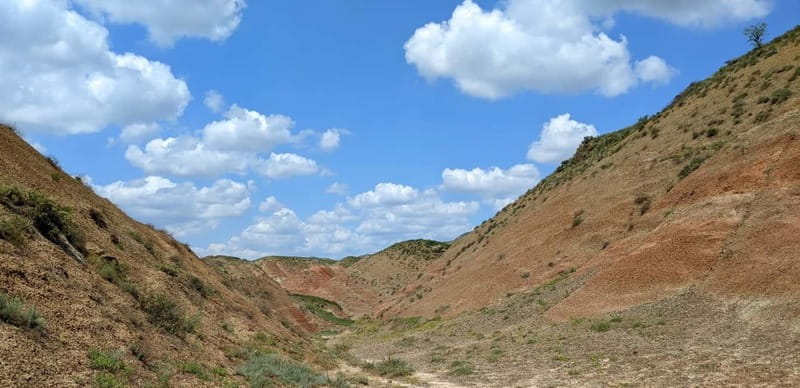
- The scenery changes after about an hour: Farmland opens into dry, uninhabited country, with photo stops beside fields and a lake.
- Udabno is the only settlement on the route: Its name means desert in Georgian, and it is home to Svan eco-migrants.
- The holy-water cave requires a short uphill walk: The path adds a physical element that is not suitable for everyone.
- The colorful hills are best on a sunny day: Light brings out the bands and tones in the earth, especially on the lower paths.
- Private transport adds comfort: Pickup, drop-off, fuel, water, and an English or Russian-speaking driver-guide are included.
Leaving Tbilisi for Georgia’s Dry Southeast
The trip begins with pickup in Tbilisi, then heads southeast through open farmland. The drive itself is part of the appeal. You are not simply being carried to a monument. You get a gradual change from city life to broad fields, distant water, and increasingly empty stretches of country.
About an hour after departure, the road turns toward the more remote section of the journey. This is a useful point to pause for photographs. The route offers views across fields and toward a lake, giving you a chance to stretch your legs and take in the setting before reaching the monastery.
The road is described as safe, and George is praised for driving carefully. That matters here because the destination is remote, and the value of a private outing rests partly on feeling relaxed during the drive. You can ask questions, stop for pictures, and set a reasonable pace without coordinating with a large bus group.
The full experience lasts about seven hours, including the journey from and back to Tbilisi. That makes it long enough to feel worthwhile but short enough to leave room in your evening. Starting times vary, so check availability when you book.
More cave cities you can walk through:
- Tbilisi: Mtskheta, Jvari, Gori and Uplistsikhe Day Tour
★ 4.9 · 2,396 reviews - Day Trip to Mtskheta Gori and Uplistsikhe
★ 5.0 · 1,801 reviews - Tbilisi: Borjomi, Rabati & Vardzia Adventure Guided Tour
★ 4.9 · 817 reviews
Udabno, a Desert Settlement with a Georgian Story
You pass through Udabno on the way to David Gareja. The Georgian word means desert, an apt name for a settlement surrounded by dry hills and open ground.
Udabno is also home to Svan eco-migrants. This gives the drive a human detail that would be easy to miss if you focused only on the monastery. The route is not empty in the absolute sense. It passes through a small community shaped by migration and by the need to make a home in a harsh, dry region.
You should not expect a busy town stop here. The supplied schedule describes Udabno as the only inhabited small place along the route, followed by roughly 20 minutes of driving to the religious site. Think of it as a brief marker in the journey, not a full sightseeing stop.
That remoteness is part of the experience. It also means you should handle practical needs before leaving Tbilisi. Water is included, but lunch is not, and there is no promise of a range of food stops along the way.
David Gareja’s Rock-Cut Monastery
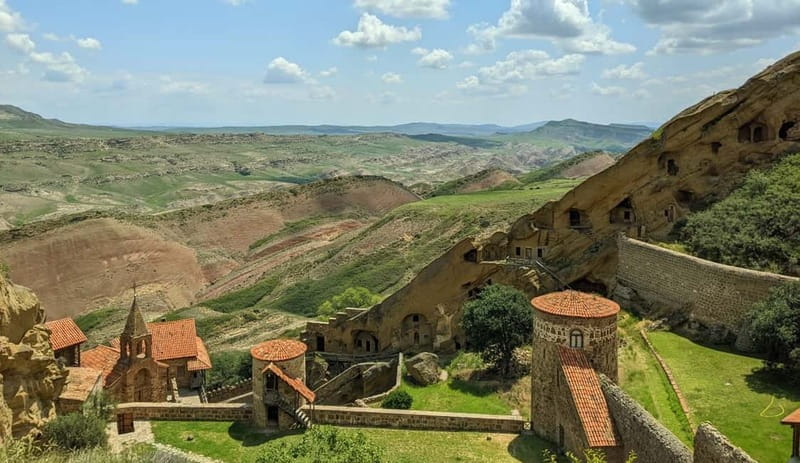
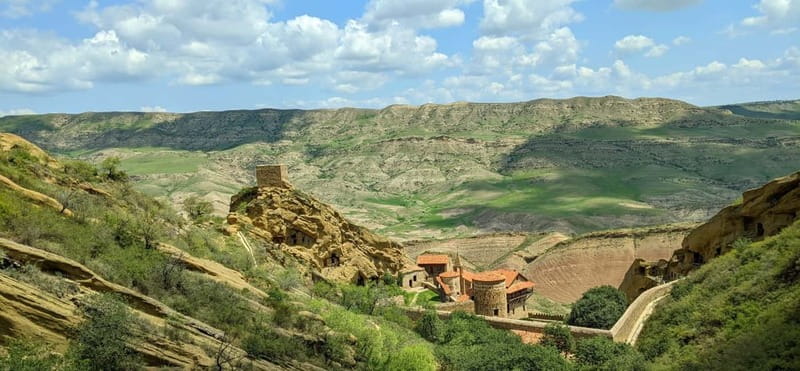
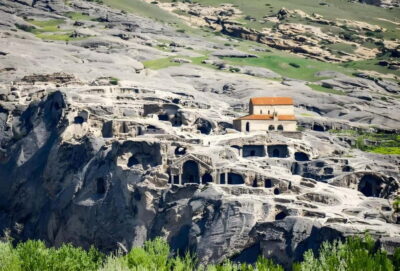
David Gareja is the main historical stop, with about an hour and a half set aside for visiting, walking, sightseeing, and scenic views. The complex dates from the sixth century and takes its name from David, the monk associated with the beginnings of monastic life here.
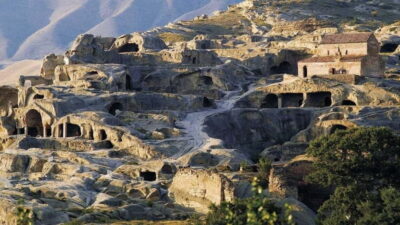
The most striking feature is the way the monastery is worked into the rock. Instead of a single grand building, you see living spaces and religious areas connected with caves and rough stone surfaces. The setting helps you understand how monastic life could take place in a remote, austere environment.
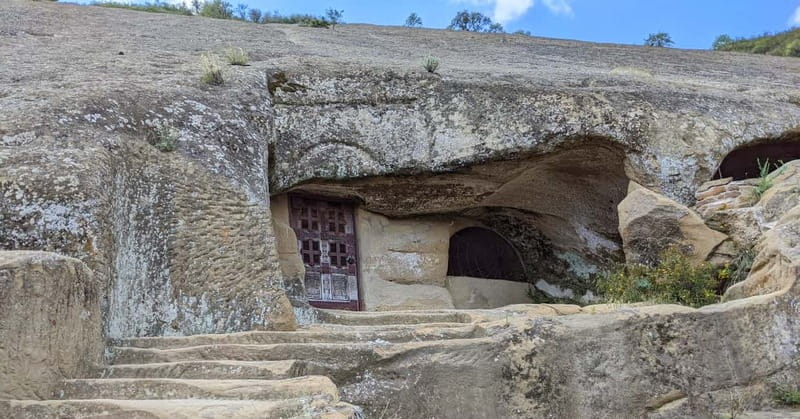
The living caves of the monks can be seen in the monastery courtyard. This is one of the most meaningful parts of the visit because it brings the site down to human scale. You are not just looking at old stone. You are seeing the spaces where monks lived and prayed.
A guide can make a real difference here. George is praised for explaining the monastery’s history and significance, while also adding anecdotes that make the site easier to picture. He is also described as attentive during the walk, pointing out sights and checking that the pace remains manageable.
The visit is guided, but it is not presented as a long academic lecture. Expect a mix of explanation, free looking, photographs, and walking. That balance works well for a half-day trip, particularly if you want context without spending the entire stop standing in one place.
The Uphill Walk to the Holy-Water Cave
After exploring the courtyard and cave spaces, you take a short trek uphill toward the cave associated with holy water. This is the one part of the outing that deserves an honest warning.
The climb is not described as a major hike, but it is still uphill and can feel challenging. One person found the mountain walk a bit strenuous, though good guiding and a supportive pace helped. If you have mobility limitations, this experience is not recommended. It is also listed as unsuitable for pregnant women.
Wear shoes with a solid grip. Comfortable walking shoes are specifically advised, and that is sensible even if you consider yourself fit. The path may feel simple to an experienced walker but less comfortable if you are wearing smooth-soled trainers or city shoes.
The effort pays off through the change in viewpoint and the chance to reach a more secluded part of the complex. You are moving beyond the main courtyard and getting closer to the physical setting that shaped the monastery. The walk also makes the visit feel more like an encounter with a functioning place of worship and less like a quick monument stop.
Take your time. The best guide behavior here is not simply giving facts but watching the group’s comfort. George receives particular credit for doing that, which is useful if you are unsure how much walking the day will involve.
More Svaneti days to weigh up
- Day tour to Ushguli from Mestia
★ 4.4 · 116 reviews - Chalaadi Glacier tour
★ 4.5 · 29 reviews - Day Tour from Mestia to Ushguli
★ 4.5 · 11 reviews - Mestia – Kutaisi Shared Transfer
★ 4.0 · 10 reviews
Walking the Gareja Colorful Hills
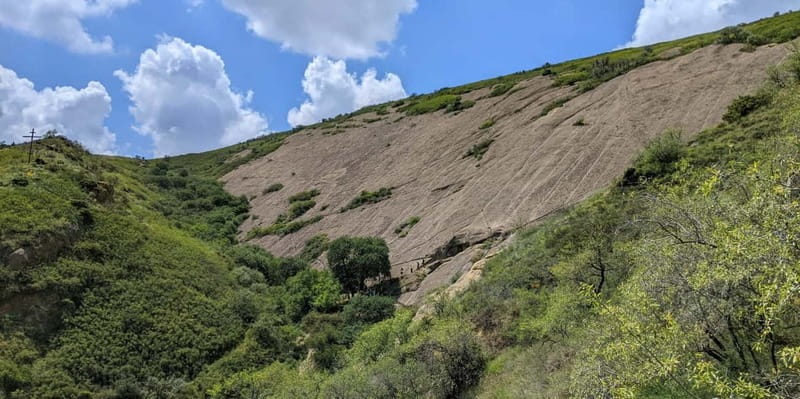
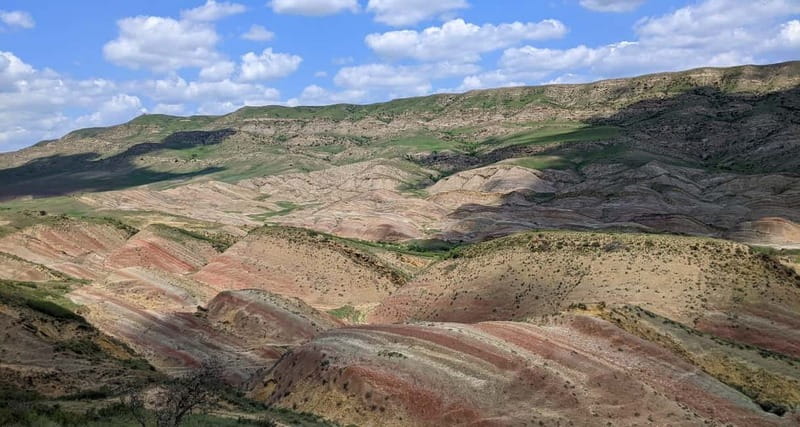
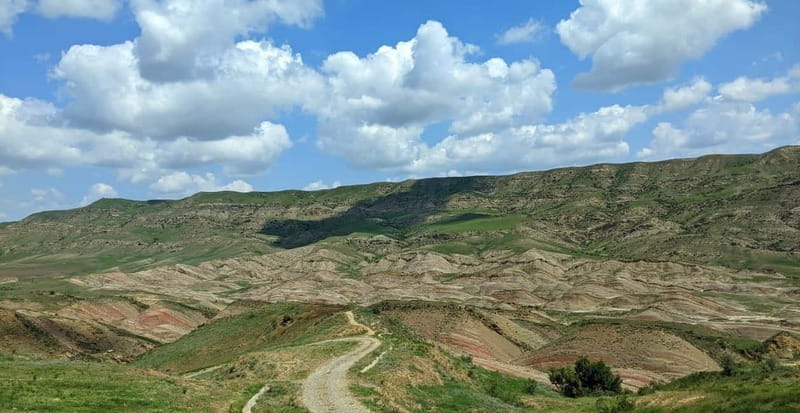
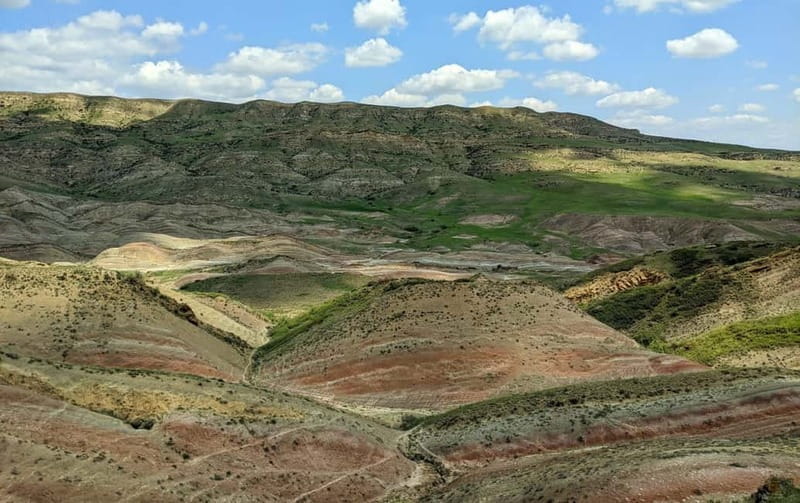
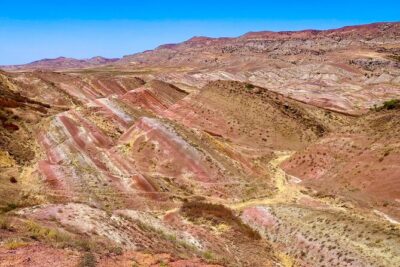
The second major stop is the Gareja colorful dunes viewpoint, with about an hour for photographs, free time, and walking. The hills are the visual surprise of the tour. Their color becomes more noticeable in strong sunlight, and the lower paths are described as the most impressive place to walk between the hills.
You do not need to treat this as a serious trek. The schedule calls it a short walk and gives you free time, so you can choose how far to go. The lower routes may be the best choice if you want the most direct look at the bands of color without adding unnecessary climbing.
Sun protection is essential. Bring a sun hat, and remember that this is open country with little shade mentioned along the route. The dry setting can make the sun feel stronger than it does in Tbilisi, especially when you are walking rather than sitting in the vehicle.
This stop works best as a contrast to the monastery. At David Gareja, the eye is drawn to rock, caves, and human traces. At the hills, the focus shifts to open ground, changing colors, and wide views. The two stops belong together because they show two very different sides of southeastern Georgia.
Cloudy weather may soften the colors. The hills can still be worth seeing, but sunny conditions are likely to give you the strongest visual effect. If you have flexibility with your travel date, weather is worth considering.
What the Private Format Adds
This is a private group experience, not a shared coach tour. That affects the day in several practical ways.
You receive hotel pickup and drop-off in Tbilisi, fuel, water, and driver-guide service. The convenience is especially useful for a destination far outside the city, where arranging independent transport could be less simple. You also avoid the fixed rhythm of a large group, at least in principle, and can focus your questions on the parts that interest you.
The guide speaks English or Russian. George is singled out for three qualities that matter on this route: safe driving, useful explanations, and a pleasant manner. Humor can help during a long drive, while careful attention is even more valuable once the path turns uphill.
There is no lunch included. You should plan around that rather than treating it as a surprise. The tour description says you can enjoy lunch on returning to Tbilisi, so the meal appears to fit after the main sightseeing rather than during the excursion.
Because no tour price is provided here, I cannot judge the exact cost. The value comes from the combination of private transportation, hotel service, fuel, water, guiding, and a full day covering a difficult-to-reach religious site and unusual scenery. If the price is close to other private day trips from Tbilisi, the convenience may justify it. If you are comparing it with a low-cost shared bus, remember that the cheaper option may offer less flexibility and less personal attention.
Who Will Enjoy This Day Most
I would recommend this trip to you if you want history and scenery in the same outing. It suits visitors who have already seen central Tbilisi and are ready for a quieter day in a remote part of the country.
You will probably enjoy it most if you:
- Like unusual religious sites rather than only polished monuments
- Want a private vehicle and hotel pickup
- Enjoy short walks and open views
- Can manage an uphill path over uneven ground
- Appreciate a guide who mixes facts with humor
- Have seven hours available for a round trip from Tbilisi
This is less suitable if you need step-free access, want a relaxed meal-focused day, or dislike exposed outdoor conditions. It is also not a good match for pregnant women or people with mobility impairments, based on the stated restrictions.
Pets are not allowed. That is a small point, but an important one if you are arranging care for an animal during your trip.
What to Bring for the Monastery and Hills
The essential items are simple:
- Comfortable shoes suitable for an uphill walk
- A sun hat
- Water, although water is included
- Clothing that feels appropriate for visiting a religious site
- Space on your phone or camera for the hills, fields, lake, and monastery
You should dress for changing visual conditions rather than city comfort alone. The open, dry setting offers little protection from sun, and the walk may be more demanding than the word short suggests.
Keep your schedule flexible on the day. The visit includes scenic stops, a guided monastery tour, an uphill walk, and free time among the colorful hills. The route is not just a point-to-point transfer, so allow the full seven hours.
Is David Gareja Worth Your Time?
I think this is a strong choice for a first excursion beyond Tbilisi, especially if you want something more distinctive than another city or vineyard visit. The rock-cut monastery gives the day a clear historical purpose, while the hills keep it visually varied.
Book it if the private format matters to you, if you enjoy a little physical effort, and if you want a guide who can make the drive and monastery more engaging. George’s careful driving and supportive approach are meaningful advantages on a remote route.
Skip it if you need easy access, dislike sun exposure, or want a day with a guaranteed included lunch. For everyone else, David Gareja offers a rare combination: caves shaped by monastic life, an almost empty southeastern setting, and colorful hills that look entirely different from the Georgia most visitors first see.
FAQ
How long does the David Gareja tour take?
The tour lasts seven hours, including the trip from Tbilisi and the return.
Where does the tour begin and end?
Pickup and drop-off are provided at your hotel in Tbilisi.
Is the tour private?
Yes. It is arranged for a private group.
Which languages does the guide speak?
The live guide service is available in English or Russian.
How much time is spent at David Gareja Monastery?
The monastery visit is scheduled for about one and a half hours, including sightseeing, guiding, walking, and scenic views.
Is there hiking on the tour?
Yes. You take a short uphill trek toward the cave associated with holy water and also walk along paths in the colorful hills.
Is lunch included?
No. Lunch is not included. The description indicates that lunch can be enjoyed after returning to Tbilisi.
What should I bring?
Bring comfortable shoes and a sun hat. Water is included.
Is the tour suitable for people with mobility impairments or pregnant women?
No. The experience is listed as unsuitable for people with mobility impairments and pregnant women.
Just added near Svaneti
- Ushguli: Horse Riding Tour to Shkhara Glacier★ 5.0 · 2 reviews
- Mestia Ushguli private tour★ 4.5 · 5 reviews
- Private tour from KUTAISI: SVANETI and MESTIA★ 4.8 · 4 reviews
- Private tour from KUTAISI: Tskhrajvari, Racha and Winery★ 5.0 · 2 reviews
- Full-day Private Wilderness tour in Vashlovani National Park★ 5.0 · 3 reviews
- 2-Day Svaneti Adventure : from Batumi★ 4.7 · 5 reviews
- Day Tour from Mestia to Ushguli★ 4.5 · 11 reviews
- Mestia – Kutaisi Shared Transfer★ 4.0 · 10 reviews
Cave Cities and Uplistsikhe Tours, compared.
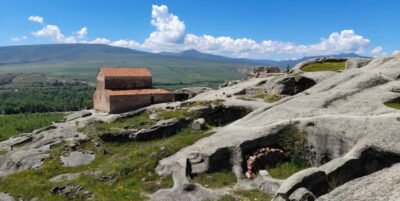
Mtskheta, Jvari, Gori and Uplistsikhe Day Tour
Read our review →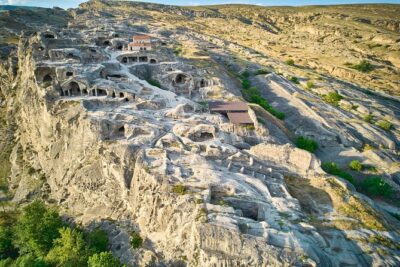
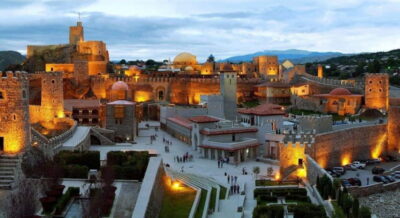
Borjomi, Rabati & Vardzia Adventure Guided Tour
Read our review →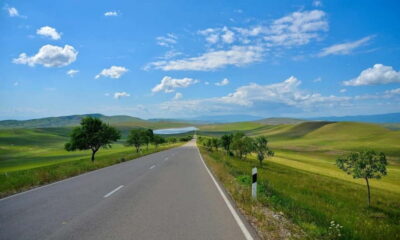
Browse the lists this tour appears in