
Reviewed · BORJOMI AND BAKURIANI TOURS
Day tour from Tbilisi to Kutaisi and Tskaltubo
Abandoned spas tell strange stories. This long day from Tbilisi pairs Kutaisi’s old center with the Soviet-era ruins of Tskaltubo, giving you both a living Georgian city and a forgotten resort world. I like the strong contrast between the two places, and I like that the guides explain the political history instead of treating the ruins as mere photo props. The drawback is the schedule: fourteen hours on the road and on foot makes for a demanding day.
I also like the human side of the outing. Guides such as George, Giorgi, and Lasha have been praised for being warm, funny, careful, and clear, while driver Lasha earned particular credit for safe driving and a helpful return drop-off. Good shoes and stamina matter, since the tour includes a city walk, several abandoned buildings, and a late return to Tbilisi.
In This Review
- Key points to know before booking
- Why this Kutaisi and Tskaltubo day trip works
- The 08:00 start from Tbilisi
- Kutaisi begins with fountains, parks, and public memory
- The Mon Plasir Arch and White Bridge
- Mtsvane Bazari gives the walk a local finish
- Spring No. 6 introduces Tskaltubo’s Soviet past
- Spring No. 8 has the strangest architecture
- Sanatorium Gelati and the old children’s playground
- Medea and Druzhba show the resort’s scale
- The Tskaltubo railway station closes the story
- Guides, driving, and the value of $61
- Who should book this tour
- Should you book the Tbilisi to Tskaltubo day trip?
- FAQ
- Where does the tour start?
- When does the tour return to Tbilisi?
- How long is the tour?
- What languages does the guide speak?
- What places are visited in Kutaisi?
- Which places are visited in Tskaltubo?
- Is lunch included?
- How much does the tour cost?
Key points to know before booking
- Kutaisi comes first: You begin with a guided walk through central Kutaisi, including the fountain, central park, White Bridge, Opera House, market, and more.
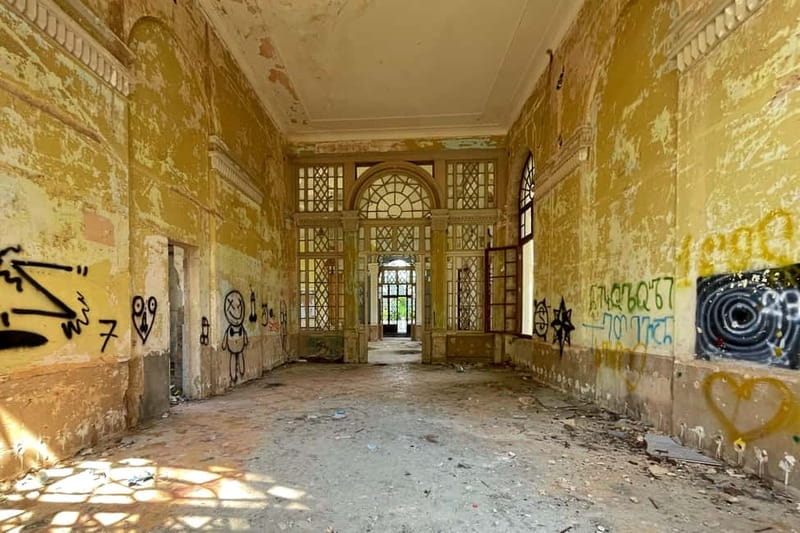
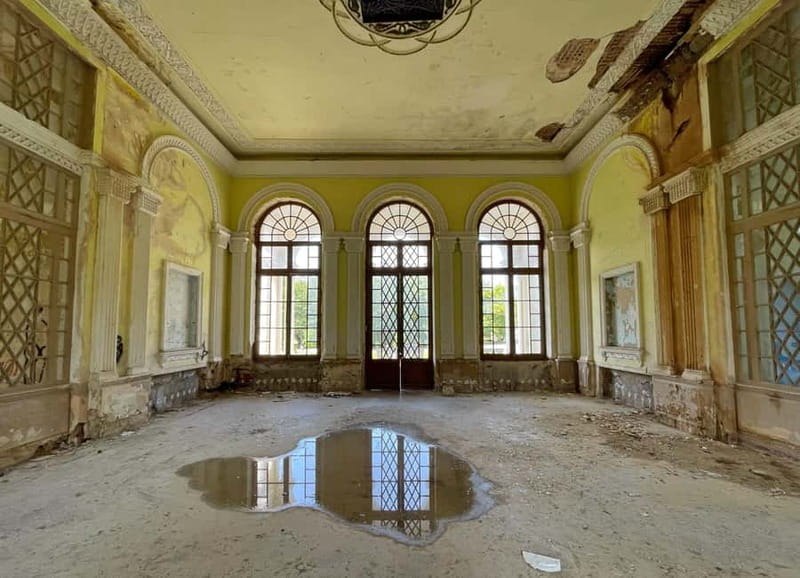
- Tskaltubo is the main event: Spring No. 6, Spring No. 8, Sanatorium Gelati, Medea, Druzhba, and the old railway station form the afternoon route.
- Soviet architecture takes center stage: The buildings offer grand, unusual interiors and a direct look at Georgia’s Soviet past.
- The tour runs from 08:00 to 22:00: It is a full day, not a relaxed side trip.
- Guidance adds real value: Large empty buildings can be confusing, and the guide helps explain where you are and what you are seeing.
- The price is $61 per person: For transport, guiding, and two destinations in one day, that is a fair price if you are happy with a fast pace.
Why this Kutaisi and Tskaltubo day trip works
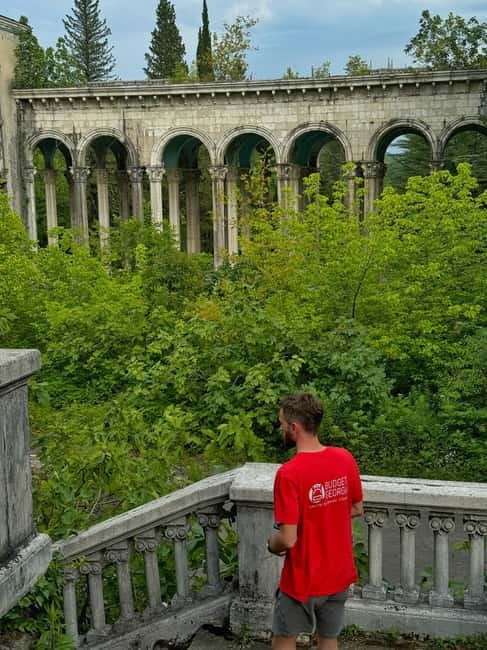
This excursion is built around contrast. Kutaisi gives you a functioning city with parks, public buildings, bridges, a market, and memorials. Tskaltubo gives you grand but neglected spa structures tied to the Soviet period.
That contrast makes the day more useful than a simple ruins outing. You first get a sense of modern Georgian life and national memory in Kutaisi. Later, you see the remains of a resort system shaped by Soviet power and state planning.
I especially like the way the itinerary uses a walking tour to introduce Kutaisi before moving on to Tskaltubo. You are not simply dropped at a ruined building with no background. The guide gives you a framework for understanding the places.
The trade-off is speed. From Tbilisi, Kutaisi is not a quick hop, and the return to the capital is scheduled for about 22:00. You should book this as an active day trip, not as an easy outing with plenty of spare time.
More days out to Borjomi and Bakuriani:
- Borjomi, Rabati & Vardzia – one day group tour from Kutaisi
★ 4.8 · 100 reviews - Abandoned sanatoriums of tskaltubo – group tour from Kutaisi
★ 4.8 · 99 reviews - BORJOMI, RABATI & VARDZIA – Group Tour from Kutaisi
★ 4.5 · 76 reviews
The 08:00 start from Tbilisi
The tour begins at 08:00 at the provider’s office in Tbilisi. Starting early is necessary because the day includes two destinations and several walking stops.
You will spend a large part of the day in a vehicle, with walking sections in both Kutaisi and Tskaltubo. That makes the quality of the guide and driver important. Several named guides, including George and Giorgi, have been praised for making the long day engaging, while Lasha was singled out for safe driving.
The tour is offered with a live guide in Georgian or English. If you want background on Georgian history, Soviet occupation, and the purpose of the old spa buildings, the guide is a major part of the value.
There is no stated group size, so you should not assume a private tour. Ask the provider if the size of the group matters to you. The listed price is $61 per person, and that cost makes the most sense for visitors who want transport, guiding, and a packed itinerary without arranging the route themselves.
Kutaisi begins with fountains, parks, and public memory
The first stop is central Kutaisi, where the guide leads a walking tour through the downtown area. The opening explanation covers the history of Georgia and Kutaisi, giving you context before the sightseeing begins.
The fountain is an early photo stop. From there, the group continues toward central park, where you see the statue of the sister figures known as Ishkhnelebi and the memorial to 9 April.
These are not just decorative pauses. The Ishkhnelebi statue connects the city walk with Georgian cultural identity, while the 9 April memorial brings national political memory into the route. The guide’s explanation matters here because the significance of a monument is easy to miss if you are moving quickly.
You then pass Kutaisi City Hall and the Opera House. These stops help you read the city through its public buildings. The route is not limited to postcard sights. It shows how civic life, performance, government, and memory share the same central streets.
The Mon Plasir Arch and White Bridge
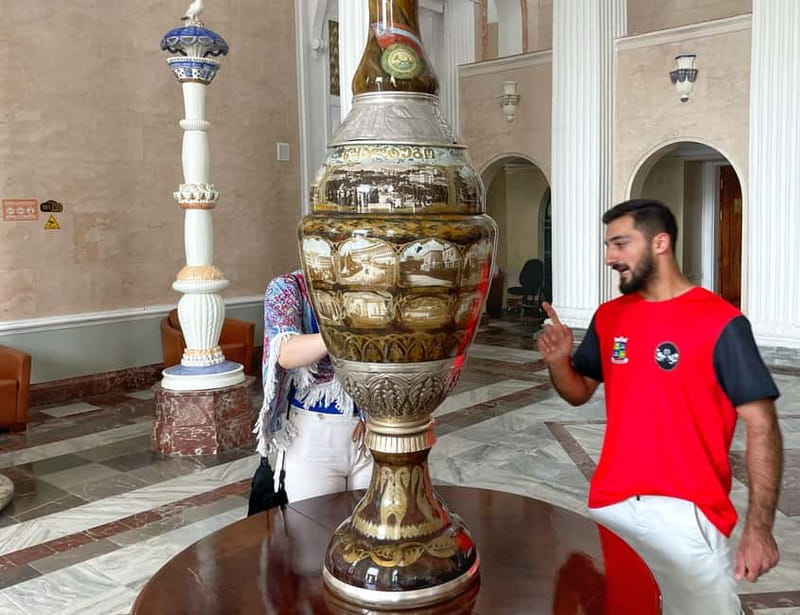
The Mon Plasir Arch is another distinctive stop on the walk. It gives you a short architectural detail among the larger public buildings, and it helps break up the route with a clear photo point.
The group then passes the first gymnasium and visits the White Bridge. The bridge is one of the recognizable points in Kutaisi, but the value here is not only the picture. A walking route lets you see how the city’s streets, parks, and river crossing fit together.
Next comes the Park of Love and the Golden Marquee Palace. The names alone suggest that this part of the walk has a different mood from the memorials and government buildings earlier in the morning.
I like this sequence because it keeps the city tour varied. You are not asked to spend hours inside one museum or move from one church to another. Instead, you get short encounters with public art, architecture, civic sites, parks, and local streets.
The possible downside is that the route contains many stops in a limited period. If you prefer long visits at each site, this may feel brisk. If you like a guide-led introduction that covers a lot of ground, the pace should suit you.
More Kutaisi days to weigh up
- Kutaisi: Martvili & Okatse Canyons & Prometheus Cave Tour
★ 4.9 · 829 reviews - From Kutaisi: Guided Tour of Okatse, Martvili, & Prometheus
★ 4.8 · 520 reviews - Kutaisi:Chiatura Tour with Katskhi Pillar & Cable Car
★ 4.9 · 433 reviews - CANYONS & CAVE Tour from Kutaisi – Okatse, Martvili & Prometheus
★ 4.5 · 307 reviews
Mtsvane Bazari gives the walk a local finish
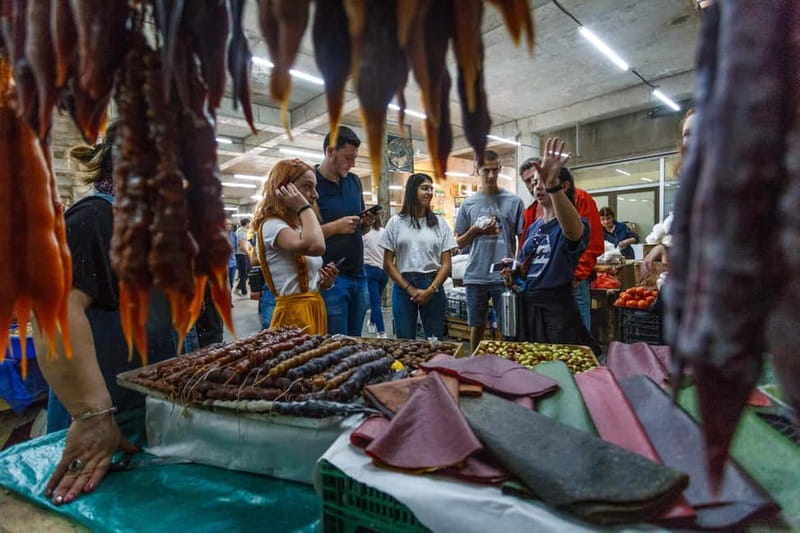
The Kutaisi walking tour ends at Mtsvane Bazari, the central grocery market. This is a useful choice because it brings the tour down from monuments and grand buildings to everyday shopping.
A market can tell you more about normal life than a formal attraction. You may see the kinds of food sold locally and get a better sense of how the center serves residents. The information provided does not promise tastings or a market meal, so you should treat it as a visit, not a food tour.
After the walk, there is a lunch break. Lunch is not listed as included, so plan to pay for your own meal. Because this is a full-day trip, use the break to eat properly and rest before the afternoon’s abandoned buildings.
Spring No. 6 introduces Tskaltubo’s Soviet past
After Kutaisi, the group drives to Tskaltubo. The first stop there is Spring No. 6, where the guide explains the Soviet occupation.
This is an important change in tone. Kutaisi’s morning route is about the city as it functions today. Tskaltubo’s spa buildings show another side of Georgia, one shaped by Soviet planning, state-run leisure, and a resort culture that has since faded.
The guide’s political and historical explanation keeps the visit from becoming empty urban photography. The buildings are striking, but their meaning comes from understanding why they were built and what they represented.
You should also keep your expectations realistic. These are abandoned structures, not restored museums. Conditions can vary, and the tour’s appeal comes from atmosphere, scale, and history rather than polished displays or modern visitor facilities.
Spring No. 8 has the strangest architecture
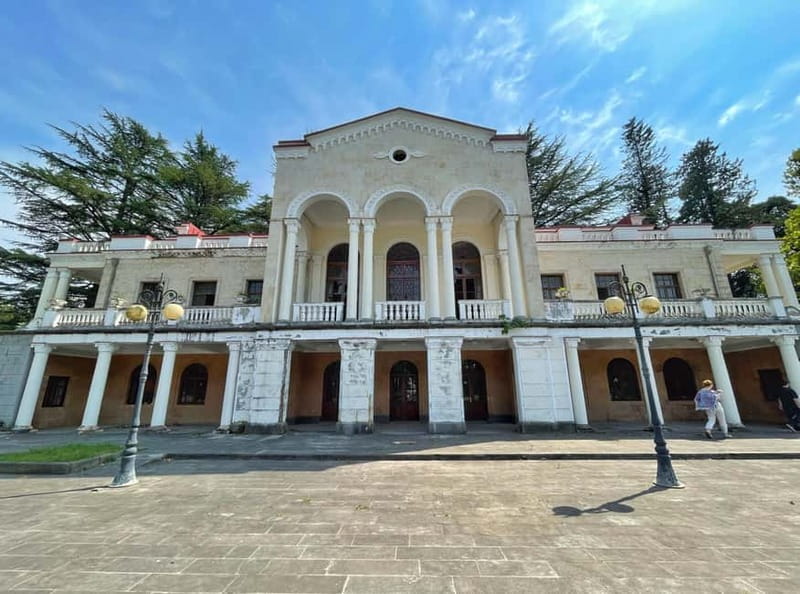
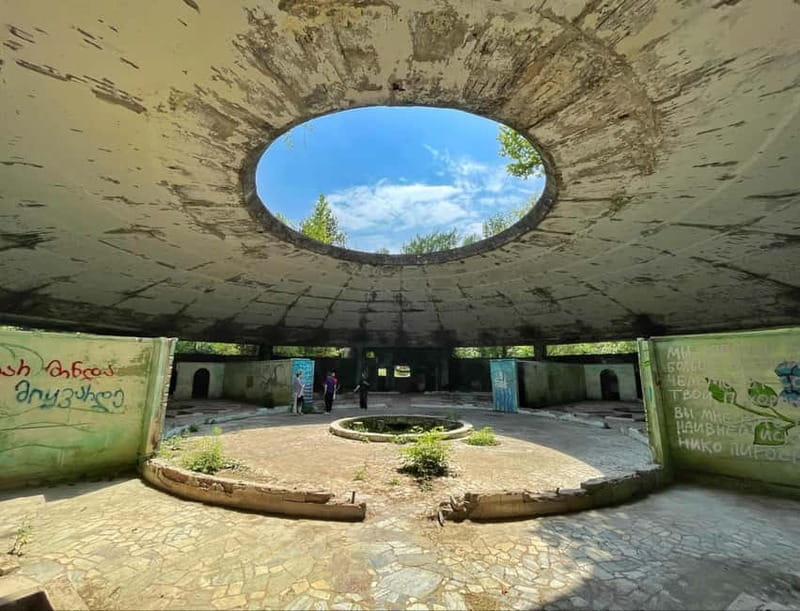
From Spring No. 6, you walk to Spring No. 8. It is described as having the most unusual architecture among Tskaltubo’s springs.
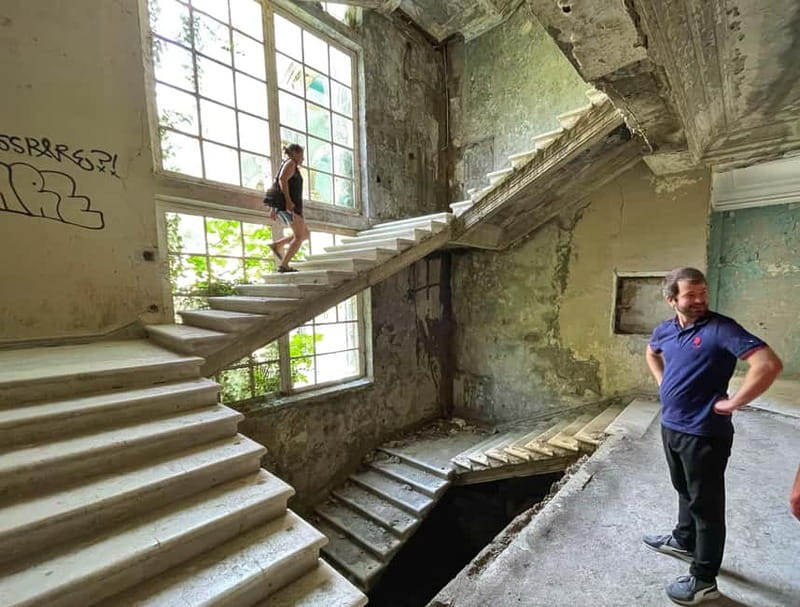
This is likely one of the strongest stops for anyone interested in Soviet design. The appeal is not simply decay. It is the odd combination of monumental planning, spa function, and unusual forms that now appear disconnected from their original purpose.
Take time to look up, around, and into the structure rather than rushing straight to photographs. The guide can help you understand what you are seeing, especially if the building feels confusing at first.
The abandoned setting also calls for care. You should follow the guide’s route and avoid treating the buildings like a playground. The tour is more enjoyable when you pay attention to the structure and its story, not only the most dramatic image.
Sanatorium Gelati and the old children’s playground
The next stop is Sanatorium Gelati. It was specially built for children, and the site includes an old playground and a viewpoint over the inner construction.
That detail changes the emotional character of the stop. A children’s sanatorium suggests care, health, and organized recreation, while the abandoned setting points to a very different present. The old playground makes the history feel more personal than a bare shell of a building.
The viewpoint over the inner construction is another strong reason to visit with a guide. Large abandoned buildings can be difficult to read from ground level. From a higher point, you can better see how the structure was arranged and how much of its original design remains.
The supplied information does not state that the building is restored or formally maintained. You should therefore expect an atmospheric ruin rather than a conventional attraction with exhibits, signs, or barriers at every point.
Medea and Druzhba show the resort’s scale
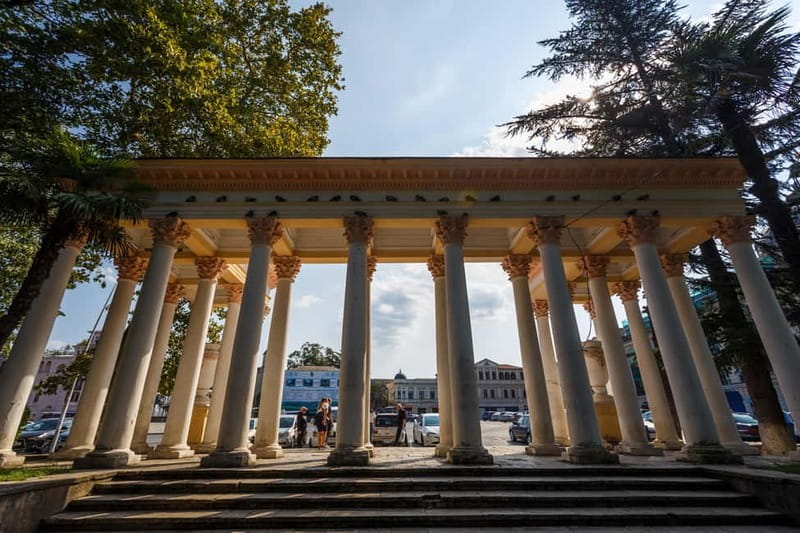
After Gelati, the route continues on foot to Sanatorium Medea, followed by Druzhba. These names are part of the old Tskaltubo resort network, and seeing several buildings in sequence helps you understand the scale of the place.
One abandoned building can seem like an isolated curiosity. Several in one afternoon reveal a much larger story. You begin to see Tskaltubo not as one strange ruin, but as a former resort district with different facilities and purposes.
The guide is particularly helpful here. Empty buildings can have many rooms, corridors, and entrances, and it is easy to lose the sense of how each site fits into the wider area. A guide also gives you a better chance of hearing the stories behind the structures rather than simply walking through them without context.
This part of the tour may be the most physically tiring. By now you have already completed the Kutaisi walk, and the abandoned sites involve more walking. Wear sturdy shoes, stay close to the group, and save some energy for the final stop.
The Tskaltubo railway station closes the story
The last sequence of the tour is the Tskaltubo train station. It is a fitting ending because railways help explain how a resort such as Tskaltubo could connect with the wider country.
The station adds infrastructure to the day’s story. You have seen springs, sanatoriums, playgrounds, and grand interiors. The railway completes the picture by pointing to movement, access, and the practical system that supported the resort.
It also gives the itinerary a clear final chapter before the drive back to Tbilisi. After a day of unusual architecture and Soviet-era history, the station provides a quieter closing point.
The tour finishes in Tbilisi at about 22:00. That late return is one of the most important planning details. Do not schedule an early dinner reservation, performance, or other fixed evening plan unless you are comfortable risking a conflict.
Guides, driving, and the value of $61
At $61 per person, this is a good-value outing for the right kind of visitor. You receive a guided city tour, transport between Tbilisi, Kutaisi, and Tskaltubo, and access to a carefully arranged sequence of sites. Arranging all of that independently would take time, especially if you wanted historical explanation at the abandoned buildings.
The strongest praise has gone to the people running the day. George and Giorgi have been described as engaging, warm, funny, and objective. Lasha, the driver, has been praised for careful driving and for dropping one participant back at their accommodation at the end.
That human quality matters on a fourteen-hour tour. A cold or disorganized guide could make the long route feel punishing. A friendly guide who explains the sites and watches out for the group can turn the same schedule into one of the most memorable days in Georgia.
The price does not include a stated lunch, and there is no mention of entrance fees, group size, or accessibility arrangements. Ask about those points before booking if they affect your decision. The listed cancellation policy allows a full refund up to 24 hours before departure, and reserve-now, pay-later booking keeps the initial commitment low.
Who should book this tour
I would recommend this trip to you if you enjoy Soviet architecture, abandoned places, local history, and full days with a clear plan. It is also a good choice if you want to see Kutaisi but do not want to arrange separate transport from Tbilisi.
You should be comfortable with a long day, a late return, and repeated walking. The experience is not designed for slow sightseeing or a short taste of Kutaisi. It asks you to trade free time for range.
Photographers will find plenty to work with, especially at Spring No. 8, Gelati, Medea, Druzhba, and the railway station. Still, the tour has more substance than a photo stop because the guides explain the Soviet background and the history of the sites.
I would think twice if you dislike abandoned buildings, prefer restored attractions, or need a flexible timetable. The strange beauty of Tskaltubo is also its roughness. That is the point, but it will not suit everyone.
Should you book the Tbilisi to Tskaltubo day trip?
Book it if the thought of grand Soviet spa buildings, eerie empty interiors, and Georgian political history appeals to you. The combination of Kutaisi’s city walk and Tskaltubo’s abandoned sanatoriums gives you a fuller day than a ruins-only excursion.
The best reason to choose this tour is the guidance. Tskaltubo can be hard to understand on your own, and the route covers several large sites in one afternoon. At $61, the transport and explanation make the day a sensible buy for active visitors.
Skip it if you want a relaxed schedule or a late morning. For everyone else, this is a memorable, unusual way to see a part of Georgia that may change as old buildings are repaired, demolished, or put to new use.
FAQ
Where does the tour start?
The tour starts at 08:00 from the provider’s office in Tbilisi.
When does the tour return to Tbilisi?
The tour finishes in Tbilisi at about 22:00.
How long is the tour?
The activity lasts 14 hours.
What languages does the guide speak?
Live guiding is available in Georgian and English.
What places are visited in Kutaisi?
The walking tour includes the downtown area, a fountain, central park, the Ishkhnelebi statue, the 9 April memorial, Kutaisi City Hall, the Opera House, the Mon Plasir Arch, the first gymnasium, White Bridge, the Park of Love, the Golden Marquee Palace, and Mtsvane Bazari.
Which places are visited in Tskaltubo?
The route includes Spring No. 6, Spring No. 8, Sanatorium Gelati, Sanatorium Medea, Sanatorium Druzhba, and the Tskaltubo railway station.
Is lunch included?
Lunch is not listed as included. There is a lunch break after the Kutaisi walking tour.
How much does the tour cost?
The listed price is $61 per person. Full cancellation is available up to 24 hours before departure, and you can reserve now and pay later.
Just added near Kutaisi
- Wild Caving Experience in Melouri Cave Near Kutaisi★ 5.0 · 3 reviews
- Wine & Dine group tour from Kutaisi★ 4.6 · 3 reviews
- Private tour from KUTAISI: Bagrati, Gelati and Motsameta★ 5.0 · 5 reviews
- Tskhaltubo Old Soviet Spa Tour★ 4.5 · 12 reviews
- Day Tour to Georgian sky venice, Soviet city Chiatura★ 5.0 · 5 reviews
- Tskaltubo-Prometheus Cave-Geguti★ 5.0 · 6 reviews
- Ski & Snow Tour to Bakuriani from Kutaisi with Borjomi Stop★ 5.0 · 5 reviews
- Break Bread with Kutaisi Locals★ 5.0 · 4 reviews
Borjomi and Bakuriani Tours, compared.
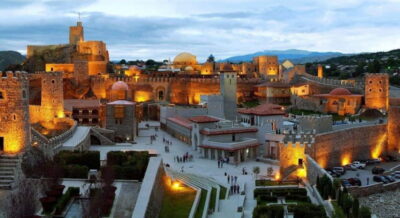
Borjomi, Rabati & Vardzia Adventure Guided Tour
Read our review →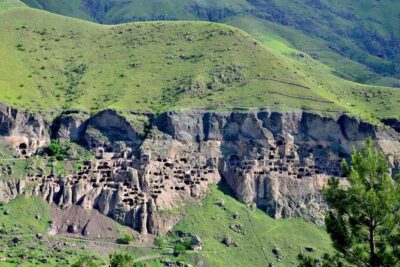
Borjomi, Rabati & Vardzia – one day group tour from Kutaisi
Read our review →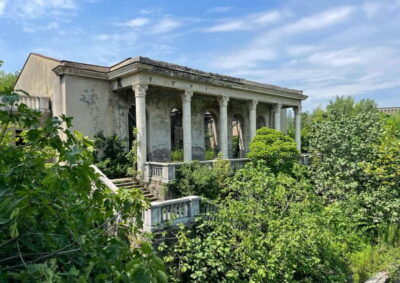
Abandoned sanatoriums of tskaltubo – group tour from Kutaisi
Read our review →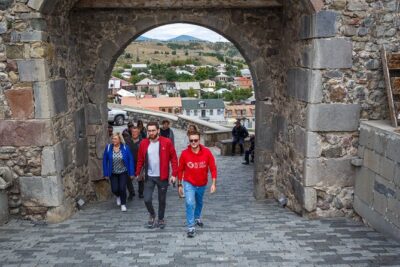
BORJOMI, RABATI & VARDZIA – Group Tour from Kutaisi
Read our review →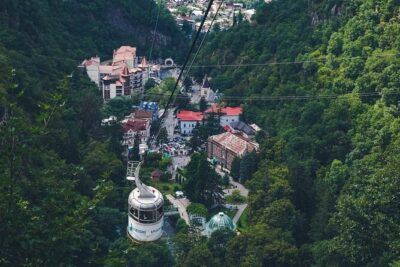
Vardzia, Rabati, and Borjomi Ancient Georgia Group Tour
Read our review →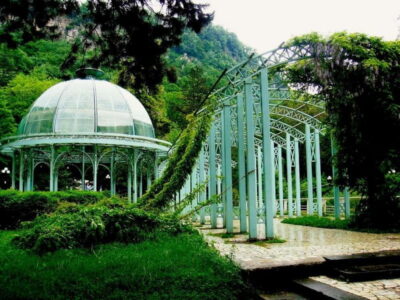
LEGENDARY PLACES OF GEORGIA: VARDZIA, BORJOMI, RABAT.( Group Tour)
Read our review →Browse the lists this tour appears in