
Reviewed · RABATI CASTLE AND AKHALTSIKHE TOURS
From Tbilisi: Borjomi, Rabati, and Vardzia Guided Day Trip
Three Georgian eras fit into one long day. This $33 trip links Vardzia’s rock-cut monastery, Rabati Fortress, and Borjomi’s famous mineral springs, giving you a broad look at southern Georgia without arranging several separate transfers. I like the strong mix of nature, legends, faith, and royal history. I also like that the English or Russian-speaking guide adds stories about figures such as Queen Tamar, Amirani, and Mirza Riza-Khan instead of leaving you to read signs on your own.
The main drawback is the schedule. This is a 13-hour road day, and the route includes long stretches in a Mercedes Sprinter minibus. One winter departure returned around 10:30 pm, even with only a small delay, so you should expect a late finish. Vardzia also requires plenty of walking on steep paths and stairs, and the extra entrance fees and lunch cost more than the advertised tour price.
In This Review
- Key points to know before you book
- Why this route is worth one very full day
- Leaving Tbilisi for Borjomi’s mineral springs
- Vardzia and its cliffside rooms
- Rabati Fortress and the borderland story
- A guide can make or break the long road day
- Transport, food, and the true length of the day
- Who should book this day trip
- My verdict on the $33 price
- Should you book it?
- FAQ
- Where does the tour meet in Tbilisi?
- How long does the tour last?
- Which languages are available?
- How long is the drive from Tbilisi to Borjomi?
- What entrance fees are not included?
- Is lunch included?
- Is Vardzia suitable for everyone?
Key points to know before you book
- Vardzia is the main event: The 12th-century monastery is carved into a cliff and includes passages, rooms, and a church with frescoes of Queen Tamar and George III.
- The driving is substantial: The road to Borjomi takes about three hours, followed by about one hour to Vardzia and another 1.5 hours to Rabati.
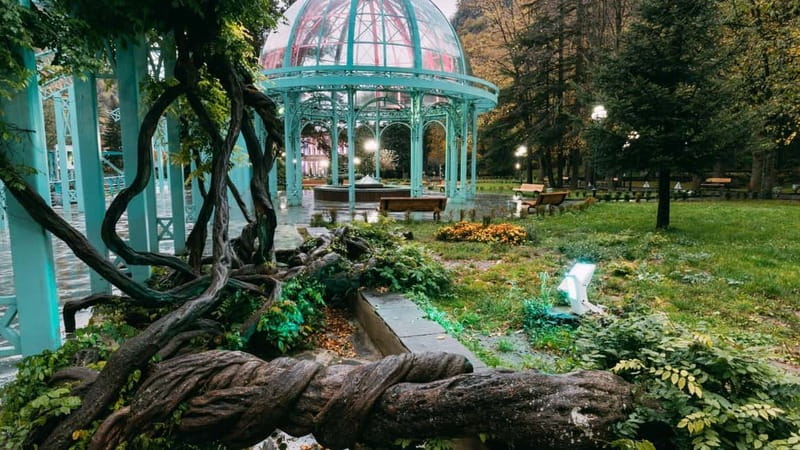
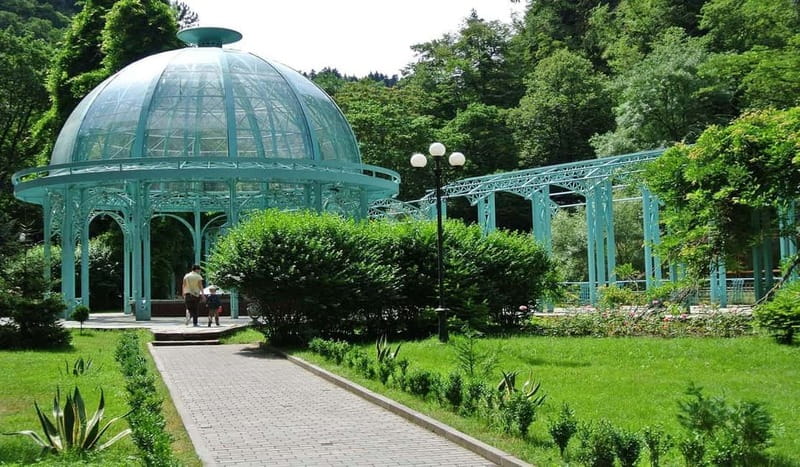
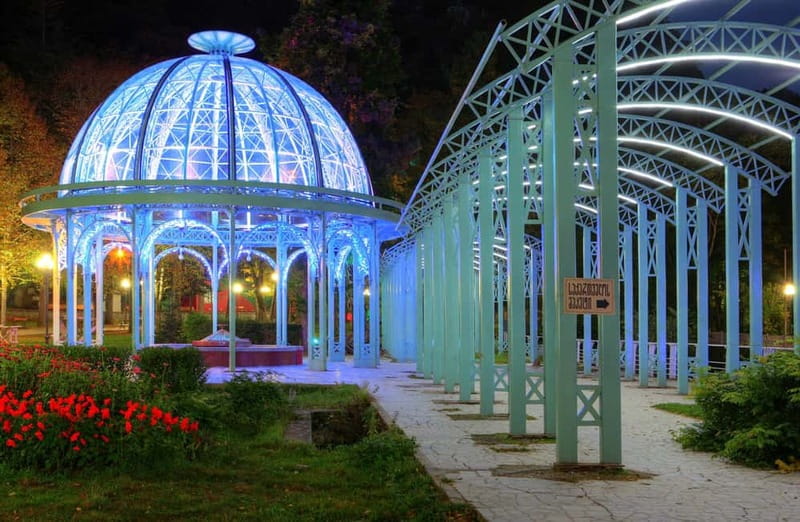
- Borjomi is more than a park stop: Mineral springs, the Golovin sources, Mirza Riza-Khan’s summer residence, and the Amirani monument give the visit cultural depth.
- Rabati brings several traditions together: The fortress reflects medieval defense as well as Georgian, Persian, and Russian connections.
- Budget extra money: Entrance fees total 37 lari per person, and lunch starts at about 30 lari.
- Guide quality matters: Jimmy received especially warm praise for his energy and storytelling, while George XIII was also singled out for excellent guiding and a safe driver.
Why this route is worth one very full day
I like this tour because it does not treat southern Georgia as a single type of attraction. You move from a spa town and mineral water culture to a fortress city, then to a carved mountain monastery. That variety keeps the day moving, even when the road hours begin to test your patience.
The route also gives you a useful sense of Georgia’s layered past. You hear about Persian influence, the Russian Empire, medieval kings and queens, local myths, Orthodox Christianity, and the role of mineral water in national culture. It is a lot to absorb, but the guide helps connect the stops.
At $33, the base price is appealing for a guided day with transport from central Tbilisi. Still, you should calculate the real cost before booking. Add 5 lari for Borjomi National Park, 15 lari for Rabati Fortress, 17 lari for Vardzia, and at least 30 lari for lunch. That makes the required extras at least 67 lari per person, before drinks or other purchases.
The value is strongest if you want to see all three sites but do not want to organize regional buses, taxis, and separate tickets. It is less attractive if you prefer slow visits, long meals, or a relaxed pace.
More visits to Rabati Castle:
- Tbilisi: Borjomi, Rabati & Vardzia Adventure Guided Tour
★ 4.9 · 817 reviews - Vardzia, Rabati, and Borjomi Ancient Georgia Group Tour
★ 4.5 · 74 reviews - Full Day Private Tour in Vardzia, Rabati and Borjomi with Guide
★ 5.0 · 25 reviews
Leaving Tbilisi for Borjomi’s mineral springs
The meeting point is in front of the I Love Tbilisi sign at 1 Samghebro Street. From there, you board a Mercedes Sprinter minibus for the journey toward Borjomi. The road takes about three hours, so bring water, dress for changing temperatures, and plan your breakfast before departure.
Borjomi is famous for mineral water, but this visit aims to explain why the springs matter rather than simply offering a quick bottle-filling stop. You visit sources named after Ekaterina and Evgeniy Golovin and hear about the people connected with them. The springs form part of Georgia’s cultural and economic story, not just its spa tradition.
The tour also includes Mirza Riza-Khan’s summer residence. This gives the Borjomi section a surprising change of mood. Instead of seeing only a mountain resort, you look at a building linked to diplomacy and cultural exchange, with Persian architectural details placed in a Georgian setting.
That stop helps explain how Georgia sat between larger powers and absorbed outside ideas while keeping its own traditions. The guide also discusses connections with Persia and the Russian Empire. I find this kind of context more useful than a quick list of dates because it shows why the architecture looks different from a standard Georgian church or fortress.
You then see the monument to Amirani, the Georgian Prometheus. The mythological connection adds a lighter, more imaginative note to the day. Amirani is a figure from Georgian legend, and the monument gives your guide a chance to connect local stories with a wider world of heroic myths.
Borjomi also includes time for photos, sightseeing, walking, and shopping. The exact balance depends on the group and the day’s timing. I would not expect a long, leisurely park visit, since Borjomi is one part of a much bigger route.
Vardzia and its cliffside rooms
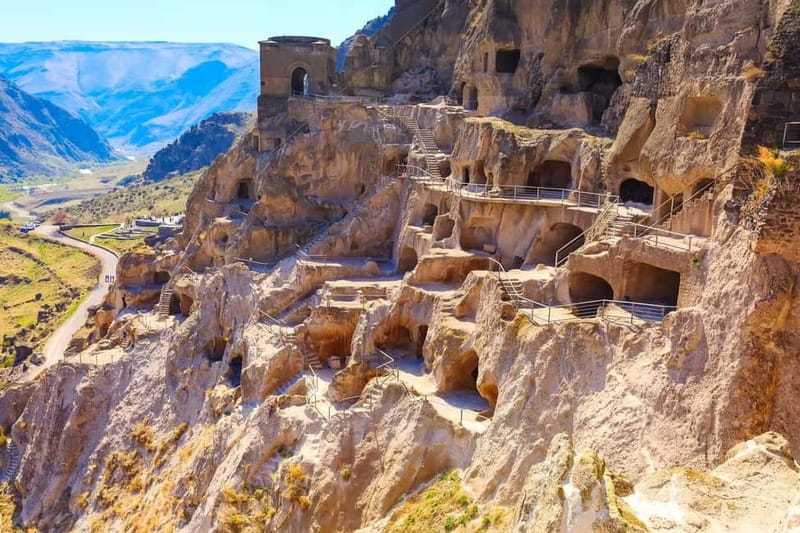
Vardzia is the reason many people choose this trip. The monastic complex was carved into rock and includes hidden passages, rooms, and religious spaces cut into the cliff. From the outside, the site can look like a wall of stone. Once you walk through it, the amount of human work becomes clear.
The complex dates to the 12th century, a period closely linked with Queen Tamar and her father, George III. You visit a church decorated with frescoes of both rulers. The paintings give the guide a natural way to explain Tamar’s reign, her importance in Georgian culture, and the place of faith in the country’s past.
I like that the visit combines architecture with people and ideas. You are not only looking into caves. You are learning how a religious community used the mountain, how builders shaped rooms out of rock, and why the site remains important to Georgia.
Vardzia is also the most physically demanding part of the day. You should expect lots of walking, steep paths, and many stairs. Some stone can be slippery, so shoes with solid grip are a sensible choice. This is not the stop for flimsy sandals or for anyone hoping to remain on a flat path.
The visit lasts about two hours, including guided touring, walking, photographs, and transport around the site. That sounds generous, but the complex has enough uneven ground to make the time pass quickly. You may find yourself choosing between lingering over a view and keeping up with the group.
Winter needs special planning. A December visitor found the route very cold, and outdoor sections can feel especially sharp after hours in the minibus. Bring warm clothing in winter, even if Tbilisi feels mild when you leave. The mountain setting and late return can make the final part of the day chilly.
Rabati Fortress and the borderland story
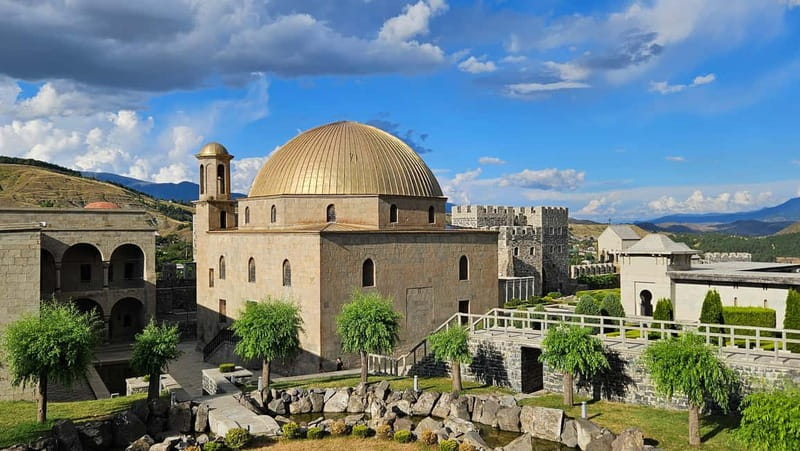
After Vardzia, the minibus continues for about 1.5 hours to Rabati Fortress. This is another major stop, with roughly two hours for the visit, photographs, guided sightseeing, scenic views, and some shopping.
Rabati is valuable because it presents history through a fortified urban center. Its walls and defensive design show how important control of the area was. Your guide explains the fortress’s role in protecting the city and how the site later became a place of cultural life.
The architecture reflects the area’s position at a crossroads. The tour’s wider discussion of Persian and Russian connections helps you read Rabati as more than a stone military site. It is part of a region shaped by different rulers, religions, and artistic traditions.
You should allow time for views as well as interiors. Rabati is a good place to pause and take in the surrounding scenery, especially after the close spaces at Vardzia. Shopping is included in the stop, but I would treat it as optional rather than a central reason to book.
The 15 lari entrance fee is separate. That matters because the $33 headline price does not cover the main paid attractions. Still, the fee is reasonable when you consider that Rabati is one of three substantial visits included in a single day.
The order of the stops can affect how you feel about Rabati. After a long morning and the physical work at Vardzia, you may be ready for a slower walk. The fortress offers that chance, but the overall day remains tightly packed.
More cave cities you can walk through:
- Tbilisi: Mtskheta, Jvari, Gori and Uplistsikhe Day Tour
★ 4.9 · 2,396 reviews - Day Trip to Mtskheta Gori and Uplistsikhe
★ 5.0 · 1,801 reviews - From Tbilisi: Rainbow Mountain & David Gareja Monastery Trip
★ 4.9 · 705 reviews - From Tbilisi : Mtskheta, Jvari, Gori & Uplistsikhe Day Trip
★ 4.8 · 432 reviews
A guide can make or break the long road day
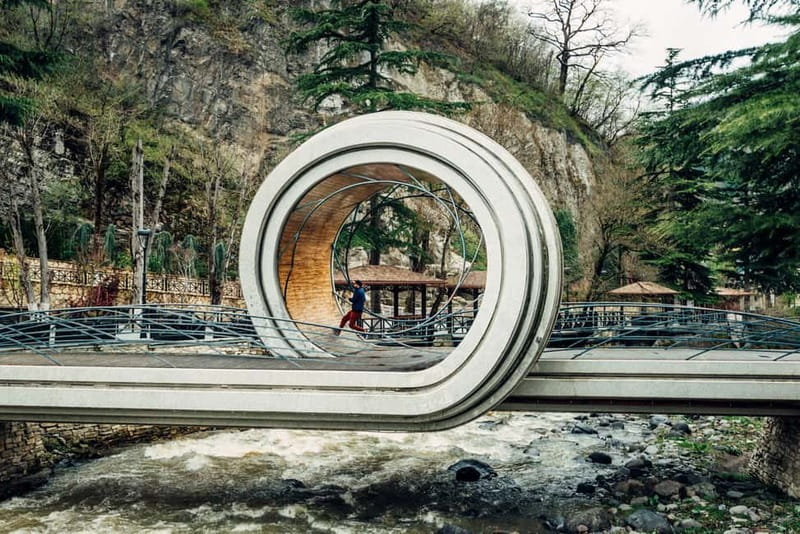
The experience depends heavily on the guide. You spend many hours in the vehicle, and the sites benefit from explanation, so a warm and lively guide adds real value.
Jimmy was praised for his energy, warmth, and passion for the stories behind each stop. That kind of enthusiasm is useful here because the route covers myths, royal history, religion, architecture, and mineral water traditions in a single day. A guide who can shift between those subjects keeps the long transfers from feeling like dead time.
George XIII was also praised as an excellent guide, with thanks directed to the driver for safe transport. The provider says the tour may be led personally by the main host or by another guide from the team. That means you should expect the guide assignment to vary, but the available languages are English and Russian.
I would pay close attention to the guide’s explanations at Vardzia. Queen Tamar is not just a name attached to a fresco. Her reign is central to the story of Georgian culture, and the church paintings make that history immediate.
At Borjomi, ask about the Golovin sources and Mirza Riza-Khan’s residence if the subject interests you. Those details give the town more character than a basic spring visit. At Rabati, the guide can help you see how defense, trade, culture, and outside political influence came together.
Transport, food, and the true length of the day
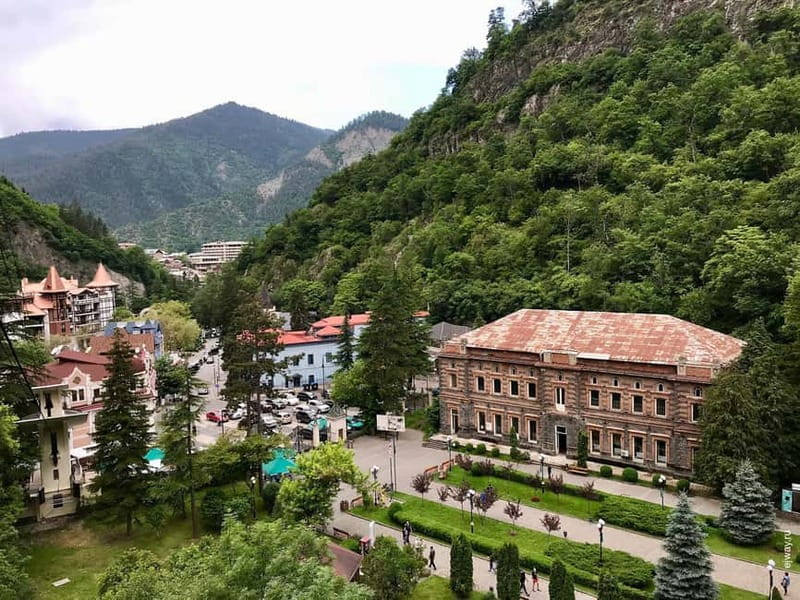
A Mercedes Sprinter minibus is included, which is a practical choice for this route. You avoid dealing with multiple public transport connections and can move directly between the three areas. The tradeoff is that the journey is still long, and a minibus does not turn a three-hour road into a short ride.
The stated duration is 13 hours. You should treat that as a planning figure, not a hard guarantee. A late departure, traffic, extended stops, or group delays can push the return later. One winter trip arrived back in Tbilisi around 10:30 pm after only a small delay.
Food is not included. Lunch starts at about 30 lari per person, so you should budget for it. One practical warning from the trip conditions is that eating is not allowed on the bus. Have breakfast before meeting the group, and use the available breaks for food rather than assuming you can snack during every road section.
The route times make the schedule easy to understand:
- Tbilisi to Borjomi takes about three hours.
- Borjomi to Vardzia takes about one hour.
- Vardzia to Rabati takes about 1.5 hours.
- The group then returns to Tbilisi after the final stop.
Those transfers are a large part of the experience. I would book this day trip when seeing the three headline sites matters more to you than having a leisurely pace.
Who should book this day trip
I think this route suits you if you are visiting Georgia for a short time and want a strong introduction to Samtskhe-Javakheti. It works well for history fans, architecture lovers, and anyone who wants to combine a monastery, fortress, mountain town, and local legends.
It is also a good fit if you are comfortable letting a guide manage the route. The transport, timing, and explanations are already arranged, which removes much of the planning work.
I would hesitate if you have mobility limits that make steep paths and many stairs difficult. Vardzia is not a gentle sightseeing stop. I would also think twice if you dislike long road journeys, cold outdoor visits, or late returns to the city.
Families and mixed-age groups should discuss the walking demands before booking. The tour is not described as fully accessible, and the physical conditions at Vardzia require care. Good shoes are more important here than polished clothes.
The 4.9 rating from 27 bookings reflects very strong satisfaction, with guide warmth and the beauty of the stops receiving the most praise. The one clear warning is the schedule, especially in winter. I would keep that balance in mind rather than treating the high rating as a promise of an easy day.
My verdict on the $33 price
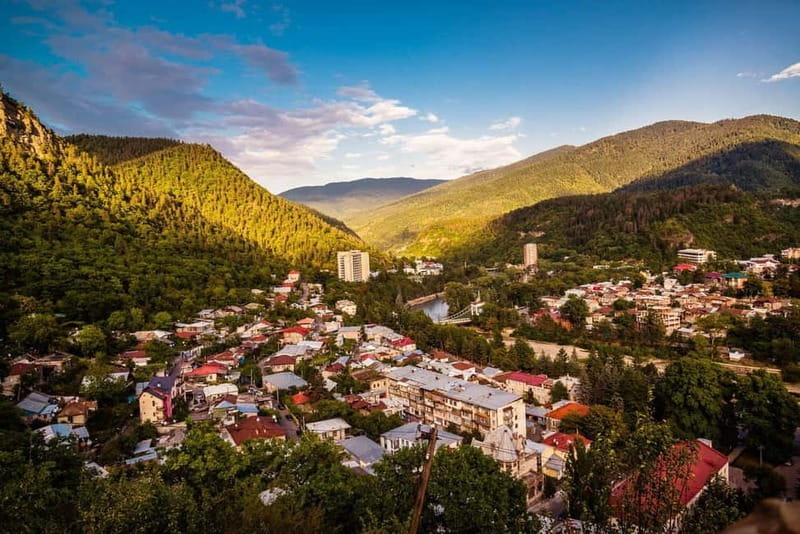
The advertised $33 is a good starting price, but it is not the final spend. Once you add the 37 lari in entrance tickets and at least 30 lari for lunch, the cost rises in a noticeable way.
Even so, the package offers solid value if you compare it with arranging transport to Borjomi, Vardzia, and Rabati on your own. You get a driver, a live guide, and a route that would be awkward to cover independently in one day.
The real price is your time and energy. You give up most of a day, spend several hours on the road, and may return late. In exchange, you see three of southern Georgia’s most distinctive places with historical context and no need to solve the transport puzzle yourself.
Should you book it?
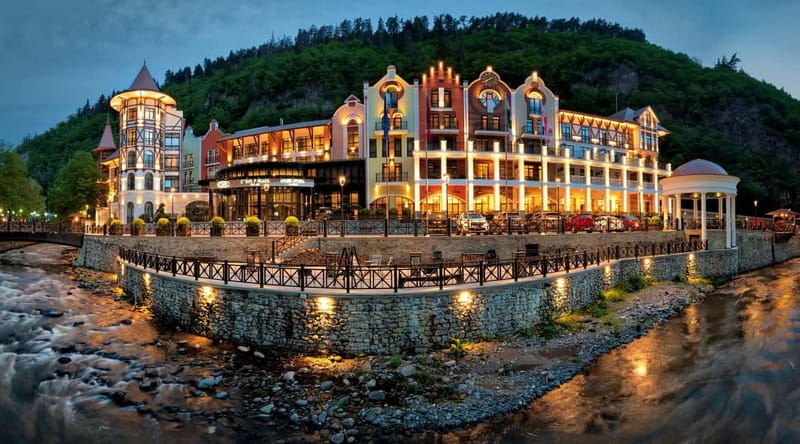
Book this tour if you want maximum sightseeing in one day, value strong storytelling, and can handle a long road schedule. Vardzia, especially, makes the effort worthwhile, while Rabati and Borjomi add variety that keeps the day from becoming a single-theme excursion.
Skip it if you want slow meals, short transfers, or a quiet visit to each site. If you book, wear grippy walking shoes, bring warm layers, budget for 67 lari or more in extras, and prepare for the possibility of reaching Tbilisi late. For the right kind of visitor, this is a big, demanding, memorable slice of Georgia.
FAQ
Where does the tour meet in Tbilisi?
The meeting point is in front of the I Love Tbilisi sign at 1 Samghebro Street.
How long does the tour last?
The advertised duration is 13 hours. The return can be later if there is a delay, and one trip returned around 10:30 pm after a small late departure.
Which languages are available?
The live tour guide speaks English or Russian.
How long is the drive from Tbilisi to Borjomi?
The road to Borjomi takes approximately three hours.
What entrance fees are not included?
Borjomi National Park costs 5 lari per person, Rabati Fortress costs 15 lari per person, and Vardzia Complex costs 17 lari per person.
Is lunch included?
No. Lunch is not included and starts at about 30 lari per person.
Is Vardzia suitable for everyone?
Vardzia requires substantial walking, steep paths, and many stairs. Stone may be slippery in places, so good shoes with solid grip are recommended.
More 1-Day Tours in Tbilisi
- Tbilisi: Day Trip to Kazbegi, Gudauri, Gergeti, and Ananuri
★ 4.9 · 3,203 reviews - Day Trip to Kakheti Wine Region Including 9 Wine Tastings
★ 5.0 · 2,774 reviews - Day Trip to Kazbegi and Gudauri
★ 5.0 · 2,009 reviews - Day Trip to Armenia Including Homemade Lunch
★ 5.0 · 1,162 reviews
More Days Out to Borjomi and Bakuriani
- Day tour to Vardzia, Borjomi in Georgia
★ 4.5 · 152 reviews - From Tbilisi: Borjomi, Rabath and Vardzia Day Trip
★ 4.6 · 66 reviews - LEGENDARY PLACES OF GEORGIA: VARDZIA, BORJOMI, RABAT.( Group Tour)
★ 4.5 · 58 reviews - 1 Day Horse Riding Adventure in Borjomi Mountains
★ 4.7 · 15 reviews
Just added near Tbilisi
- Wine Tasting feel the Difference of Qvevri or Classical Wine★ 4.4 · 10 reviews
- Walking Tour in Old Tbilisi – Group Tour★ 4.5 · 8 reviews
- From Tbilisi: Kakheti and Kazbegi 2-Day 4X4 Jeep Tour pack★ 5.0 · 6 reviews
- Tbilisi: Vintage Fashion and Secondhand Thrifting Tour★ 5.0 · 11 reviews
- From Tbilisi: Uplistsikhe Caves and Mtskheta Town Day tour★ 5.0 · 2 reviews
- Uforgatable Kakheti Tour with wine tasting – in Georgia★ 4.9 · 5 reviews
- Tbilisi Airport to Gudauri, Bakuriani, Batumi, Tbilisi★ 5.0 · 3 reviews
- Private Adorable City Tour of Tbilisi★ 5.0 · 3 reviews
Rabati Castle and Akhaltsikhe Tours, compared.
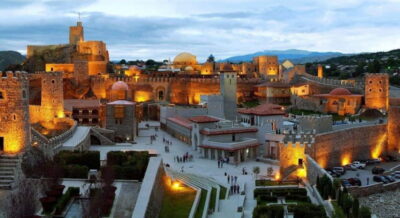
Borjomi, Rabati & Vardzia Adventure Guided Tour
Read our review →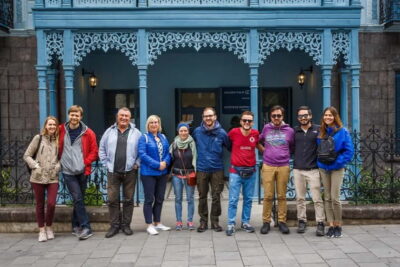
Borjomi, Rabati & Vardzia – one day group tour from Kutaisi
Read our review →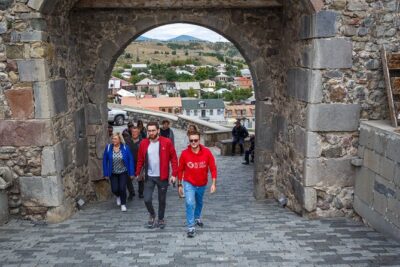
BORJOMI, RABATI & VARDZIA – Group Tour from Kutaisi
Read our review →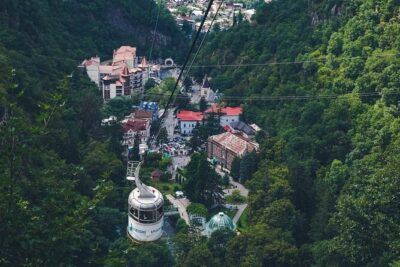
Vardzia, Rabati, and Borjomi Ancient Georgia Group Tour
Read our review →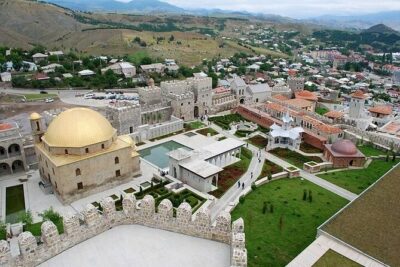
Full Day Private Tour in Vardzia, Rabati and Borjomi with Guide
Read our review →
BORJOMI, RABATI & VARDZIA – Group Tour From Tbilisi
Read our review →
Vardzia. Lake Paravani, Khertvisi & Lomisa castle, Rabati
Read our review →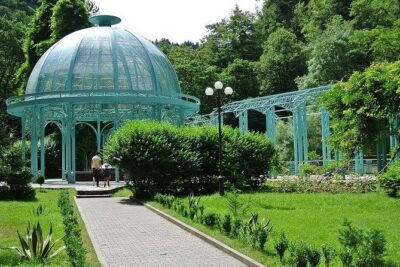
Browse the lists this tour appears in