
Reviewed · GORI AND STALIN MUSEUM TOURS
From Tbilisi: Mtskheta, Uplistsikhe, Gori Day Trip
Georgia’s past is packed into one long day. From Tbilisi, this private tour links Uplistsikhe’s rock-cut streets, Gori’s Soviet-era sites, the churches of Mtskheta, and the huge Chronicle of Georgia monument. I like the clear historical arc, moving from Iron Age pagan worship to medieval Christianity and then to the Soviet period. I also like the private format, which gives you room to ask questions and stop for a proper local lunch.
The main drawback is the pace. With a duration of 8.5 to 11 hours and several major stops, this is a full day with plenty of time in a vehicle. Uplistsikhe has uneven ground and steep natural steps, so it is a poor choice for anyone with serious knee or hip trouble.
The strongest praise goes to the guides. David is described as kind and informative, while Saba is remembered as friendly and entertaining. One Japanese visitor especially appreciated the careful church explanations and the guide’s skill with photographs. That small detail matters: this is the sort of day when a good guide can turn a string of monuments into a story you can follow.
In This Review
- Key Points Before You Book
- Why This Route Works So Well
- Uplistsikhe: Walking Through a Stone-Cut City
- Gori: Stalin, Memory, and a Bulletproof Train
- A Local Lunch Break in Gori
- Mtskheta: Georgia’s Spiritual Center
- The Chronicle of Georgia and the Tbilisi Sea
- What the Private Vehicle Adds
- Timing, Clothing, and Physical Demands
- Who Should Book This Day Trip?
- Should You Book It?
- FAQ
- How long does the tour last?
- Does the tour include hotel pickup?
- Is this a private tour?
- Which languages are available?
- Are entrance fees included?
- Is lunch included?
- What should I wear to the churches?
- Is Uplistsikhe suitable for people with mobility problems?
- Can I cancel the booking?
Key Points Before You Book
- A private history route: You move from Iron Age cave dwellings to medieval Christianity and Stalin-era memory in one day.
- Uplistsikhe is the physical highlight: Expect tunnels, wine cellars, temples, exposed rock, and uneven steps.
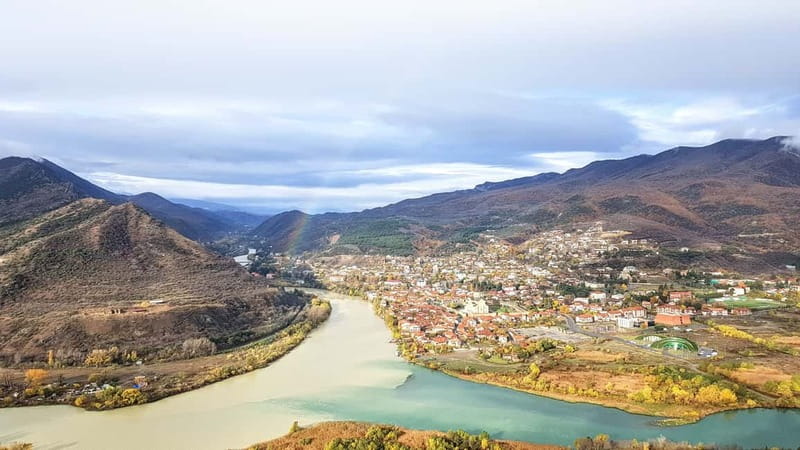
- Mtskheta brings Georgia’s religious heart into focus: Jvari Monastery offers the famous view of two rivers meeting, while Svetitskhoveli Cathedral carries deep spiritual importance.
- Gori offers a complicated Soviet chapter: Stalin’s birthplace and bulletproof train carriage make the stop more than a standard museum visit.
- The Chronicle of Georgia adds scale: This vast monument overlooking the Tbilisi Sea is often missed on ordinary city excursions.
- Plan for church dress rules: Bring a headscarf, and avoid shorts, short dresses, and tight leggings.
Why This Route Works So Well
Many day trips from Tbilisi focus on one theme. This one does something more useful: it shows how Georgia changed over time. You begin with a pagan settlement carved into stone, visit the country’s old religious center, confront the memory of Joseph Stalin, and finish with a monumental work from the Soviet period.
That variety is the reason to choose this excursion. You are not simply ticking off four unrelated places. The guide can connect the sites and explain why Georgia’s identity contains old religious traditions, proud national stories, and a difficult Soviet legacy side by side.
The private group format helps here. You can ask direct questions about religion, Stalin, local customs, or the monuments themselves without trying to keep up with a large crowd. English and Russian guiding are available, and hotel or holiday-apartment pickup in Tbilisi is included.
The price is $152 per person. That is not a budget outing, especially since meals and entrance fees are extra. Still, the cost includes a private vehicle, hotel pickup and drop-off, an English-speaking guide, and bottled water. For a full day covering sites spread across Shida Kartli and the outskirts of Tbilisi, the value is strongest if you are traveling with family or friends and want personal guiding rather than a large shared bus.
More Gori and Stalin Museum runs:
- Tbilisi: Mtskheta, Jvari, Gori and Uplistsikhe Day Tour
★ 4.9 · 2,396 reviews - Day Trip to Mtskheta Gori and Uplistsikhe
★ 5.0 · 1,801 reviews - From Tbilisi : Mtskheta, Jvari, Gori & Uplistsikhe Day Trip
★ 4.8 · 432 reviews
Uplistsikhe: Walking Through a Stone-Cut City
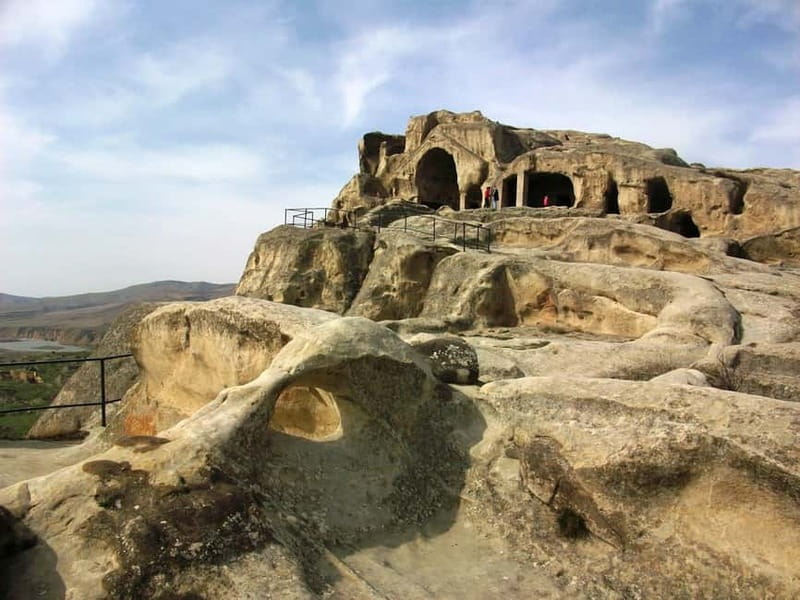
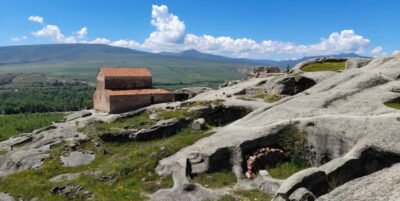
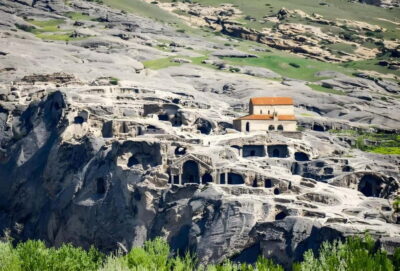
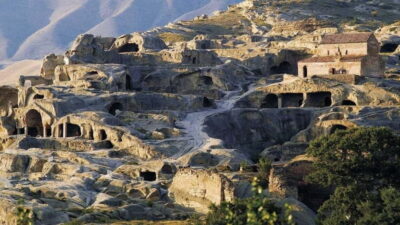
Uplistsikhe is the day’s most unusual stop. This ancient settlement was carved into rock, creating streets, chambers, temples, tunnels, and storage areas directly from the hillside. You do not just look at ruins from a distance. You walk through the remains and get a physical sense of how people used the site.
The setting is exposed and often wind-swept. Wear sturdy, comfortable shoes, not fashion footwear. The paths include natural steps, uneven surfaces, and ascents, so high heels are a bad idea. If your knees or hips cause significant trouble, this stop may be uncomfortable or impossible.
A guide adds real value here. Without context, Uplistsikhe can look like a collection of weathered rooms. With an explanation of its pagan temples, tunnels, wine cellars, and role as a Silk Road hub, the site becomes easier to read. You can picture it as a working settlement rather than a hollow archaeological shell.
Allow yourself to look up as well as down. The rock architecture is the obvious attraction, but the broader views help explain why this was a practical place for an old settlement. The walking is not technical, yet it does require attention. Keep both hands free where possible and watch your footing.
Uplistsikhe is not suitable for toddlers, and children under four are not accepted on the tour. That rule makes sense given the exposed paths and natural steps. If your group includes older children who enjoy ruins and exploration, this may be one of the most memorable stops, but the day will still be tiring.
Gori: Stalin, Memory, and a Bulletproof Train
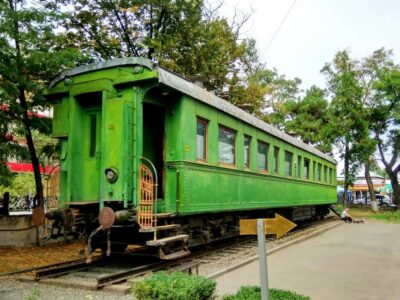
Gori changes the mood sharply. The town is known as Joseph Stalin’s birthplace, and the visit focuses on the Stalin Museum. The central attraction is not only the museum itself, but Stalin’s personal bulletproof train carriage, a large and striking object that gives the Soviet story a very physical presence.
You can also see the modest house where Stalin was born. The contrast is hard to miss: a humble birth home beside the machinery and symbolism of a powerful political figure. This is a useful place to ask questions and consider how Georgia presents a local son whose legacy is anything but simple.
The tour description promises a balanced approach rather than simple admiration or condemnation. That is important. Gori works best when you approach it as a place for historical questions, not as a shrine. Your guide can help explain the local and national setting while leaving room for your own judgment.
Entrance to the Stalin Museum is not included. The combined entrance fees for Uplistsikhe and the Gori museum are about €7 per person, according to the tour information. Bring some extra money for these admissions, as well as lunch.
A Local Lunch Break in Gori
Lunch is taken in Gori at a trusted local restaurant, away from the standard tourist highway buffets. The meal is not included, which is actually useful in a private setting. You can order according to your appetite and budget, with help from the guide if needed.
Suggested local choices include Gori cutlets and clay-pot beans. These are the kind of filling Georgian comfort foods that suit a long day on the road. If you want a lighter meal, you can ask what is available before ordering, but the information provided does not promise a fixed menu.
This pause also breaks up the sightseeing. After the exposed walking at Uplistsikhe and the serious subject matter in Gori, sitting down for food gives you time to reset. Since the tour can last up to 11 hours, do not treat lunch as an afterthought.
More cave cities you can walk through:
- Tbilisi: Borjomi, Rabati & Vardzia Adventure Guided Tour
★ 4.9 · 817 reviews - From Tbilisi: Rainbow Mountain & David Gareja Monastery Trip
★ 4.9 · 705 reviews - Day Trip to Rainbow Mountains and David Gareja
★ 5.0 · 408 reviews - From Tbilisi: Mtskheta, Jvari, Gori, Uplistsikhe Guided Tour
★ 4.7 · 354 reviews
Mtskheta: Georgia’s Spiritual Center
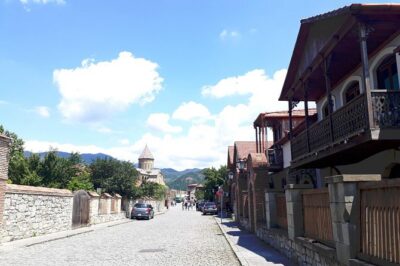
Mtskheta is the religious heart of the route. The town and its churches bring a different kind of history than Uplistsikhe or Gori. Here, the focus is Georgian Christianity, royal burials, sacred tradition, and the long role of Mtskheta in the country’s religious life.
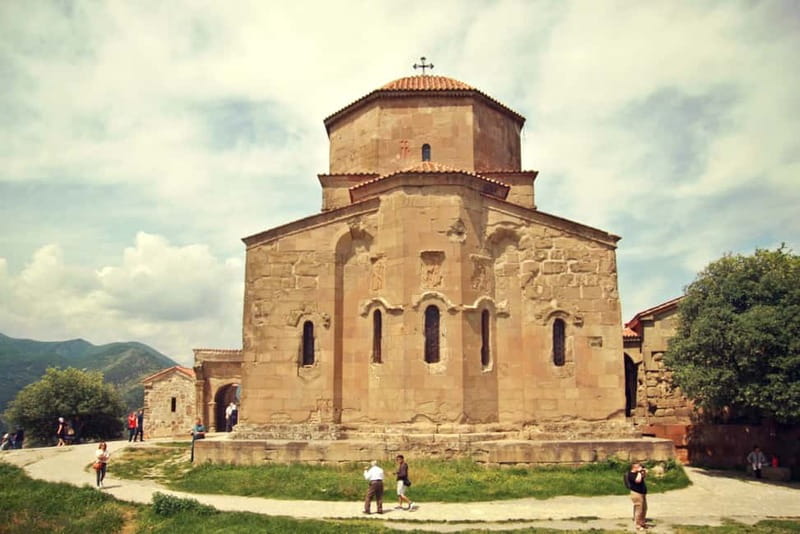
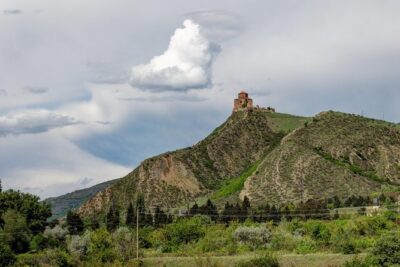
The first major stop is Jvari Monastery, perched above the meeting point of two rivers. The view is the reason to make the climb. From the monastery, you can see the rivers joining below and understand why this location has such visual and spiritual force.
Jvari is an active Orthodox religious site, not just a viewpoint. Dress respectfully and follow the church rules. Shorts and short dresses are not allowed, tight leggings are prohibited, and women need a headscarf. A scarf can be borrowed at the church entrance, but carrying your own is simpler and more comfortable.
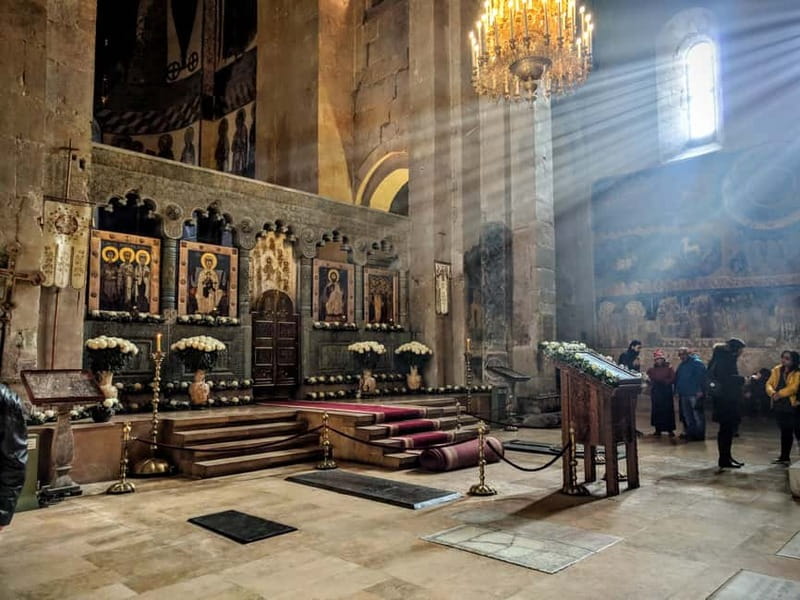
The second major stop is Svetitskhoveli Cathedral. Inside, you will find the burial site of Georgian kings and the famed Robe of Christ tradition. The cathedral is a medieval masterpiece, but the best way to appreciate it is to listen carefully to the stories tied to its sacred objects and architecture.
The church visit received especially strong praise from a Japanese visitor, who found the Life-Giving Pillar mysterious and valued the guide’s careful explanations. That is a good clue for how to use your time here: do not rush through the interior after taking a few exterior photographs. The religious meaning is the heart of the stop.
One Spanish visitor found the cathedral interesting but felt parts of Mtskheta had a somewhat theme-park atmosphere. That is a fair caution. Mtskheta is popular, and some areas can feel more arranged for sightseeing than Uplistsikhe. Even so, the cathedral and Jvari view make this section essential for anyone who wants to understand Georgia beyond its scenery.
The Chronicle of Georgia and the Tbilisi Sea
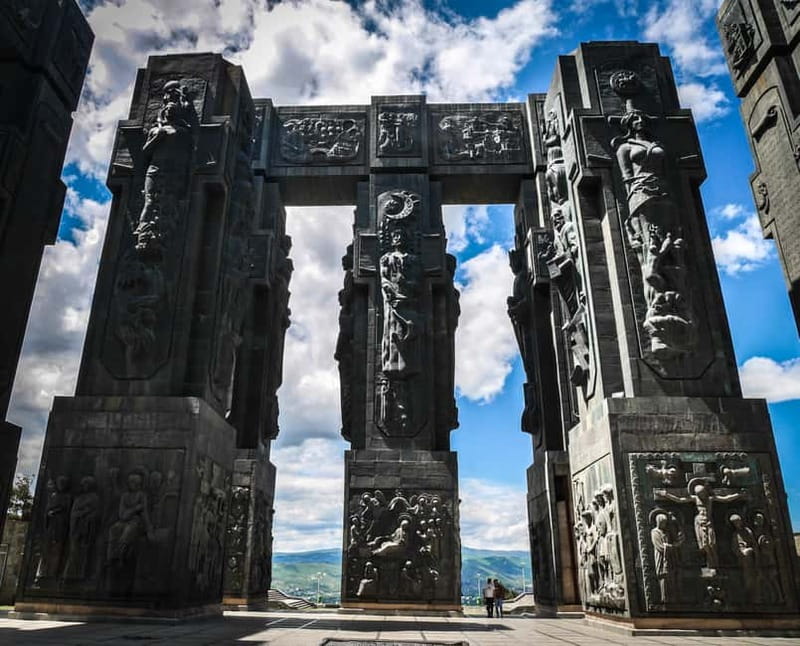
The final major stop is the Chronicle of Georgia, a huge Soviet-era monument overlooking the Tbilisi Sea. It is sometimes called Soviet Stonehenge because of its scale and upright stone forms.
The monument feels very different from the small chambers at Uplistsikhe and the intimate church interiors in Mtskheta. Here, the message is grand, heavy, and public. The size alone makes an impression, while the high position gives you a broad view toward the water.
This is a good final stop because it returns you to the modern period without repeating the Gori experience. Stalin’s carriage shows Soviet power through one person and one historical figure. The Chronicle of Georgia presents a much larger national story through monumental art and architecture.
You may find the site especially rewarding if you enjoy modern architecture, Soviet monuments, or places that are less familiar than Georgia’s famous churches. It is not a conventional attraction with a polished visitor setup. The appeal comes from its scale, setting, and unusual place in the country’s recent past.
What the Private Vehicle Adds
The tour includes pickup and drop-off at your Tbilisi hotel or holiday apartment, bottled water, and a private vehicle. That matters because the route covers several separate areas and would be awkward to manage by public transport in a single day.
You also avoid the fixed feel of a large group. A private guide can spend longer explaining the parts that interest you and move more quickly through places that do not hold your attention. The guide can also help with lunch choices and church customs, which makes the day easier for first-time visitors to Georgia.
The tradeoff is that a private day trip has a firm cost. At $152 per person, the value improves when several people share the experience, while a solo visitor may find it expensive. The long duration also means you should be ready for a road-heavy day, even though the variety keeps it from feeling repetitive.
Timing, Clothing, and Physical Demands
The stated duration is 8.5 to 11 hours. The difference depends on the starting time and how long the stops take, so keep your evening open rather than scheduling a tight dinner reservation in Tbilisi.
Wear shoes with good grip. Uplistsikhe is the main reason, but comfortable footwear will help throughout the day. Bring a headscarf for the Orthodox churches, and dress in a way that covers the knees and shoulders.
Pets, baby strollers, and children under four are not permitted. The experience is also not suitable for people with mobility impairments. These are not minor technicalities: Uplistsikhe’s natural steps and ascents are a central part of the visit.
The tour is available in English or Russian. If language matters to your enjoyment of historical sites, confirm your preferred language when booking.
Who Should Book This Day Trip?
I would choose this tour if you want a broad introduction to Georgian history and prefer a private guide to a large group. It suits couples, families with older children, friends, and first-time visitors who want the major historical themes explained in one day.
It is also a strong choice if you like contrasts. You will move from pagan rock chambers to Orthodox worship, from medieval kings to Stalin’s train carriage, and from intimate ruins to a huge Soviet monument.
I would hesitate if you prefer slow travel. Uplistsikhe deserves time on its own, and Mtskheta can reward a relaxed visit. Combining four major areas means you will see a lot, but you will not linger everywhere.
Should You Book It?
Book this tour if you want context, variety, and private guiding more than free time. The route is unusually strong because each stop changes the historical subject, and the best-rated guides, including David and Saba, appear to bring warmth and clarity to the day.
Skip it if uneven ground is a serious concern, if you dislike long day trips, or if $152 feels high before adding lunch and entrance fees. For the right visitor, though, this is an efficient and thoughtful way to connect Georgia’s ancient, religious, and Soviet past in a single outing.
FAQ
How long does the tour last?
The tour lasts between 8.5 and 11 hours, depending on the available starting time and the day’s schedule.
Does the tour include hotel pickup?
Yes. Pickup and drop-off are included from your hotel or holiday apartment in Tbilisi.
Is this a private tour?
Yes. The experience is arranged for a private group rather than a large shared group.
Which languages are available?
The live guide is available in English or Russian.
Are entrance fees included?
No. Entrance fees for Uplistsikhe cave town and the Gori Stalin Museum are extra. The listed combined cost is about €7 per person.
Is lunch included?
No. Meals are not included. Lunch is taken at a local restaurant in Gori, and you pay for your own meal.
What should I wear to the churches?
Do not wear shorts, short dresses, or tight leggings. Women need a headscarf in the Orthodox churches, and a scarf can be borrowed at the entrance.
Is Uplistsikhe suitable for people with mobility problems?
No. Uplistsikhe has uneven surfaces, natural steps, and ascents, and the tour is not suitable for people with mobility impairments or significant knee and hip problems.
Can I cancel the booking?
Yes. You can cancel up to 24 hours in advance for a full refund. The reserve-now, pay-later option also allows you to book without paying immediately.
More 1-Day Tours in Tbilisi
- Tbilisi: Day Trip to Kazbegi, Gudauri, Gergeti, and Ananuri
★ 4.9 · 3,203 reviews - Day Trip to Kakheti Wine Region Including 9 Wine Tastings
★ 5.0 · 2,774 reviews - Day Trip to Kazbegi and Gudauri
★ 5.0 · 2,009 reviews - Day Trip to Armenia Including Homemade Lunch
★ 5.0 · 1,162 reviews
More Mtskheta and Jvari Half-Days
- Tbilisi: Mtskheta Jvari Bazaar, Chronicles of Georgia & Wine
★ 5.0 · 1,088 reviews - Tbilisi:Mtskheta,Jvari,Bazaar,wine tasting,Chronicles of Georgia
★ 5.0 · 730 reviews - Tbilisi: The Chronicles of Georgia, Jvari & Mtskheta Tour
★ 5.0 · 307 reviews - From Tbilisi: Mtskheta, Jvari, Gori & Uplistsikhe Cave Tour
★ 4.7 · 296 reviews
Just added near Tbilisi
- Wine Tasting feel the Difference of Qvevri or Classical Wine★ 4.4 · 10 reviews
- Walking Tour in Old Tbilisi – Group Tour★ 4.5 · 8 reviews
- From Tbilisi: Kakheti and Kazbegi 2-Day 4X4 Jeep Tour pack★ 5.0 · 6 reviews
- Tbilisi: Vintage Fashion and Secondhand Thrifting Tour★ 5.0 · 11 reviews
- Uforgatable Kakheti Tour with wine tasting – in Georgia★ 4.9 · 5 reviews
- From Tbilisi: Uplistsikhe Caves and Mtskheta Town Day tour★ 5.0 · 2 reviews
- Tbilisi Airport to Gudauri, Bakuriani, Batumi, Tbilisi★ 5.0 · 3 reviews
- Private Adorable City Tour of Tbilisi★ 5.0 · 3 reviews
Gori and Stalin Museum Tours, compared.
Mtskheta, Jvari, Gori and Uplistsikhe Day Tour
Read our review →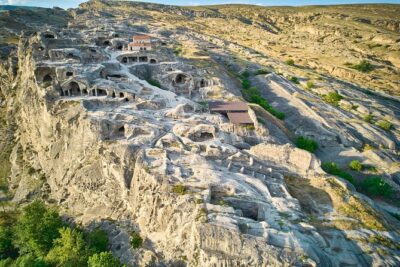
Mtskheta, Jvari, gori, uflistsikhe, history and panorama (group tours)
Read our review →Browse the lists this tour appears in