
Reviewed · HISTORICAL TOURS
Historical walking tour of Tbilisi
Tbilisi rewards curious walkers. This three-hour private tour brings together the city’s sulfur baths, churches, fortress, old lanes, and modern Bridge of Peace, with guide Alesia adding the small details you could easily miss alone. I especially like the Narikala Fortress viewpoint and the chance to see ordinary courtyards, doorways, and streets beyond the main route. The main caution is time: three hours can feel short once you stop for photos and questions.
I also like the flexible finish. You can end at Liberty Square, or keep walking along Rustaveli Avenue toward its theaters and museums if your energy holds. The tour suits you best if you want a private, adaptable introduction rather than a long museum-heavy outing, though steep paths and uneven old-town streets make it a poor fit for anyone with mobility limitations.
In This Review
- Six useful things to know before booking
- Starting where Tbilisi began
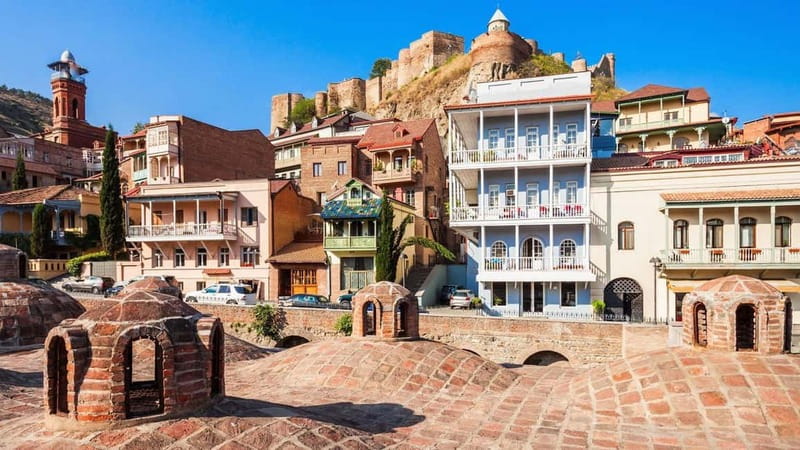
- Abanotubani and the sulfur bath quarter
- Leghvtakhevi Waterfall in the middle of the city
- Narikala Fortress and Tbilisi from above
- Metekhi Church and the city across the river
- The Bridge of Peace and modern Tbilisi
- From the Patriarchate to Anchiskhati Basilica
- Meidan Bazaar, Sharden Street, and old-town details
- Rezo Gabriadze’s Clock Tower and Liberty Square
- How much can fit into three hours?
- Price, group size, and practical value
- Who should book this walk?
- Should you book the Historical Walking Tour of Tbilisi?
- FAQ
- How long does the Historical Walking Tour of Tbilisi last?
- What languages can the guide speak?
- Is the tour private?
- Where does the tour begin?
- What should I bring?
- Is food or drink included?
Six useful things to know before booking
- Narikala Fortress supplies the big view: The climb gives you a strong first look at Tbilisi from above.
- Alesia can guide in four languages: English, German, Russian, and Belarusian are available.
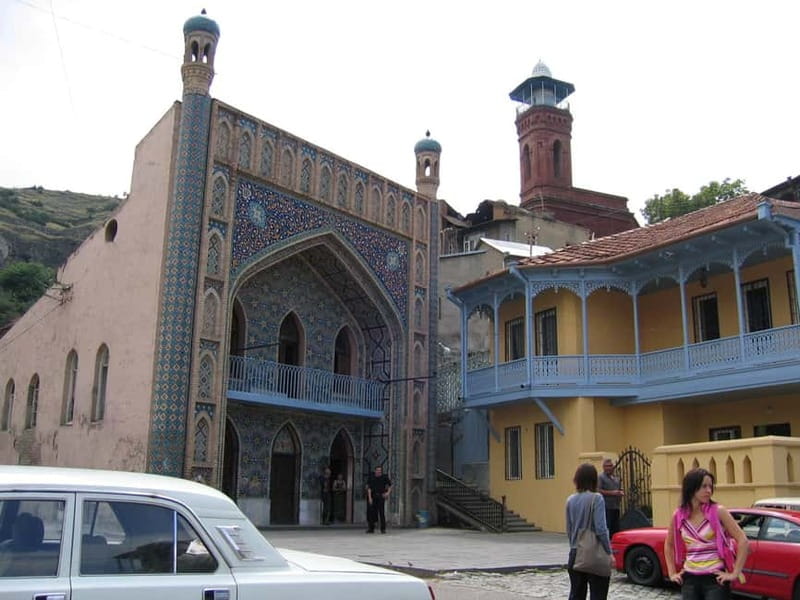
- The route mixes grand sights with small details: You will see major churches and monuments, but also old walls, caravanserais, house entrances, and narrow lanes.
- The tour is private: Your pace and interests can shape the walk more than on a large group outing.
- The endpoint is flexible: Finish at Liberty Square or continue toward Rustaveli Avenue.
- Wear proper walking shoes: This is a hilly, uneven route, not a flat stroll.
Starting where Tbilisi began

The walk begins at the Fountain Monument of the Falcon and Pheasant, in the historical center. From here, you are close to the part of Tbilisi traditionally linked with the city’s beginnings roughly 20 centuries ago.
That starting point gives Alesia room to explain how the old city fits together before the walk moves into its more crowded sights. I like this approach because Tbilisi can seem like a jumble of balconies, churches, baths, bridges, and steep streets at first. A guide helps you see the connections.
This is a private tour, so you can ask for more detail on architecture, religion, local life, or Georgia’s past. Alesia is especially praised for answering questions patiently and adjusting the route to suit the group. She also has a strong command of German, which makes this a useful choice for German-speaking visitors. English, Russian, and Belarusian are also offered.
More Walking Tours in Tbilisi
- Tbilisi Walking Tour Including Cable Car and Traditional Bakery
★ 5.0 · 1,310 reviews - Tbilisi: City Highlights Guided Walking Tour
★ 4.9 · 1,114 reviews - Tbilisi:Evening Walking & Talking Tour with Wine & Boat Ride
★ 5.0 · 572 reviews
Abanotubani and the sulfur bath quarter
The first major stop is Abanotubani, Tbilisi’s famous sulfur bath district. You spend about 30 minutes here, making it one of the more substantial stops on the route.
The baths are not simply pretty old buildings. They explain why this part of the city developed where it did and why Tbilisi became an important stop between different regions and trading routes. The tour points out several bathhouses, including the baths associated with Alexander Pushkin and Alexandre Dumas.
You should expect to look at the exteriors and hear the stories connected with them. This is not presented as a spa visit, so food, drinks, and bathing are not included. If you want to book a bath separately, treat that as another activity rather than something folded into these three hours.
The district is also a good place to notice the way Tbilisi layers its past. The old bathhouses sit among lanes, balconies, restaurants, and everyday city life. The setting feels more personal than a single isolated monument.
Leghvtakhevi Waterfall in the middle of the city
A short walk leads to Leghvtakhevi Waterfall. The listed stop is brief, around five minutes, so think of it as a photo break and a quick explanation rather than a long nature walk.
The waterfall is useful because it changes your view of Tbilisi. One moment you are among stone buildings and bathhouses, and the next you are beside a narrow gorge with water running through it. You might find the stop particularly refreshing in warmer weather, though the short timing means you will not linger for long.
Keep your shoes in mind here. The route includes walking through old-town streets and toward the fortress, and the ground is not described as suitable for people with mobility impairments. Comfortable shoes are specifically recommended.
Narikala Fortress and Tbilisi from above
Narikala Fortress is one of the tour’s strongest moments. The scheduled visit lasts about 20 minutes, with scenic views on the way and time to take in the city from the height of the fortress.
The view is the payoff. From above, you can better understand the old center, the river, the churches, the newer bridge, and the hills around Tbilisi. I like this stop because it turns a collection of separate sights into a city you can read from one position.
The visit is not a full fortress expedition. With only about 20 minutes assigned, you will get an overview, a walk, and photographs rather than a long examination of every wall. The approach may also feel demanding if you are not comfortable on slopes or uneven paths.
The Mother of Georgia monument is part of the wider Narikala area and is included among the sights seen during the tour. Alesia can give you the background as you move through this section, though the route is designed as a walking overview rather than an extended monument visit.
A slower pace, same corner of the Caucasus:
- Tbilisi: Day Trip to Kazbegi, Gudauri, Gergeti, and Ananuri
★ 4.9 · 3,203 reviews - Day Trip to Kakheti Wine Region Including 9 Wine Tastings
★ 5.0 · 2,774 reviews - Highlights of Caucasus Mountains-Jinvali,Ananuri,Gudauri,Kazbegi(Group tour)
★ 5.0 · 2,682 reviews - From Tbilisi: Kakheti Wine Region Tour with 9 Wine Tastings
★ 4.9 · 2,541 reviews
Metekhi Church and the city across the river
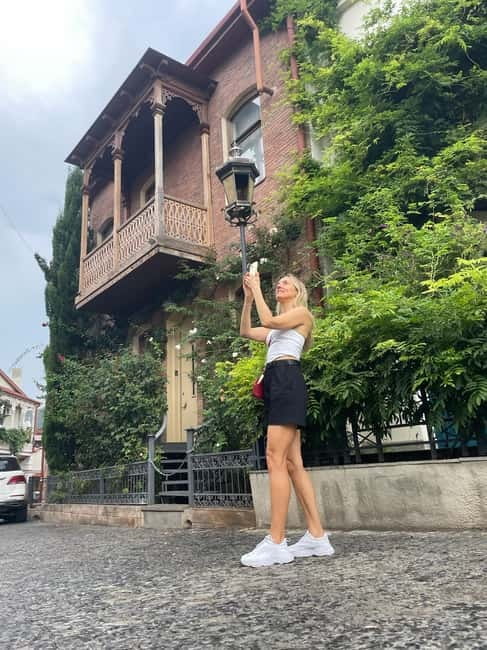
After the fortress area, the walk continues to Metekhi St. Virgin Church. The visit is planned for about 10 minutes.
Metekhi is important not only as a church but also for its position above the river. It gives you another angle on the city and helps balance the view from Narikala. From the two elevated areas, you can see how the historic center grew around the river and its slopes.
The short visit means the guide will focus on the main points. If you want a long religious or architectural explanation, say so early. A private group makes that possible, but extra discussion can reduce time at later stops.
The Bridge of Peace and modern Tbilisi
The Bridge of Peace is given about 20 minutes. Its curved glass and steel form is one of the clearest signs that Tbilisi is not frozen in its old quarter.
This is a useful contrast after the fortress, churches, baths, and old streets. The bridge connects the historic center with the newer side of the city, and its appearance can feel strikingly different from the stone buildings around it. You can pause for photographs and listen to Alesia explain how the modern structure fits into the city.
The bridge itself is not a long stop, but its value comes from the contrast. You see old Tbilisi as a living city, not a preserved set of ruins. Some visitors may prefer the older architecture and find the bridge less appealing, but it belongs in the tour because it shows the city’s newer face.
From the Patriarchate to Anchiskhati Basilica
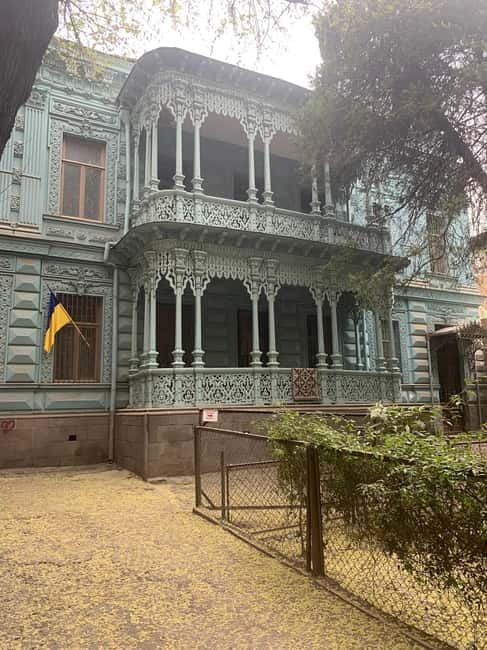
The route then passes the Patriarchate of Georgia, with about 10 minutes for sightseeing. This gives the tour a chance to place Georgian religious life within the streets you have already walked.
Next comes Anchiskhati Basilica, one of the oldest churches in Tbilisi, dating from the sixth century. The schedule allows about 10 minutes for the walk and stop. Its age gives the old town a different sense of time from the more recent bridge and renovated streets.
You will not get an exhaustive church tour at every stop. Instead, the churches create a sequence: Metekhi shows the city from the river, the Patriarchate points to the country’s religious institutions, and Anchiskhati connects you with the oldest surviving layers of the center.
Dress and behave respectfully inside churches. The supplied information does not specify a dress code, but a quiet and considerate approach is sensible at active religious sites.
Meidan Bazaar, Sharden Street, and old-town details
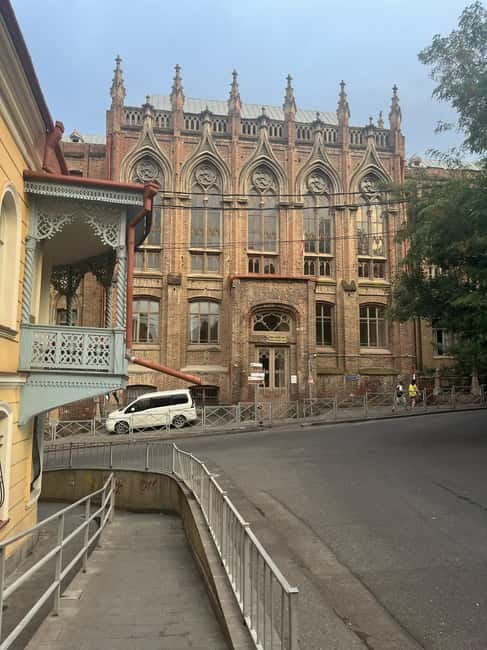
The route includes Meidan Bazaar and Sharden Street, two places where the old center feels especially social and commercial. These streets are useful for understanding how Tbilisi has long served as a meeting point for people, goods, and ideas.
The tour also points out old caravanserais. These former lodging and trading places help explain the city’s position on historic routes. You are not only looking at attractive facades. You are seeing the remains of the practical spaces that supported movement through the region.
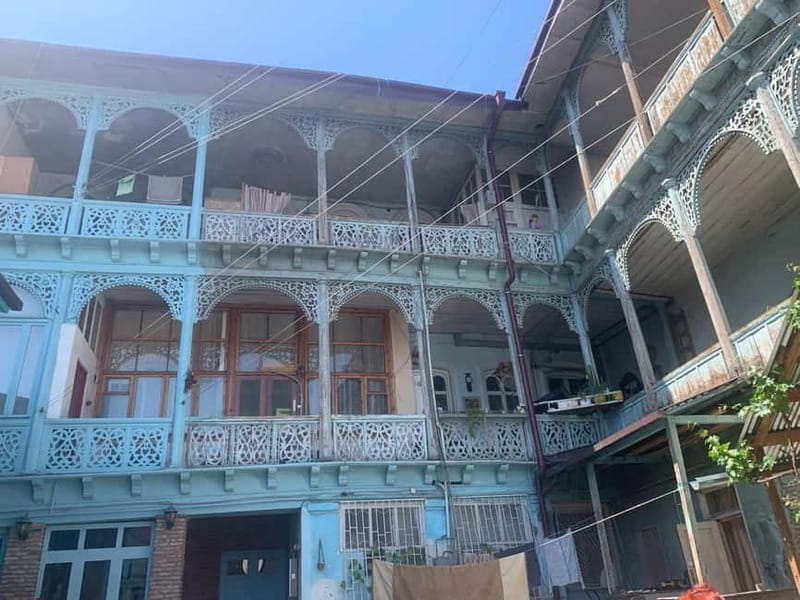
One of the most appealing parts of this tour is the attention to details beyond the famous sights. Alesia has been praised for pointing out places that are easy to pass without noticing, including house entrances and less obvious corners of the old town. Ask her to slow down when you see an unusual doorway, courtyard, wall, or balcony. Those details may tell you more about daily Tbilisi than another quick monument stop.
The Tamada monument also appears along the route. Tamada, the traditional toastmaster at a Georgian feast, is a fitting figure for a city where food, wine, and long table conversations matter so much. The stop is brief, but it gives the walk a distinctly Georgian touch.
Rezo Gabriadze’s Clock Tower and Liberty Square
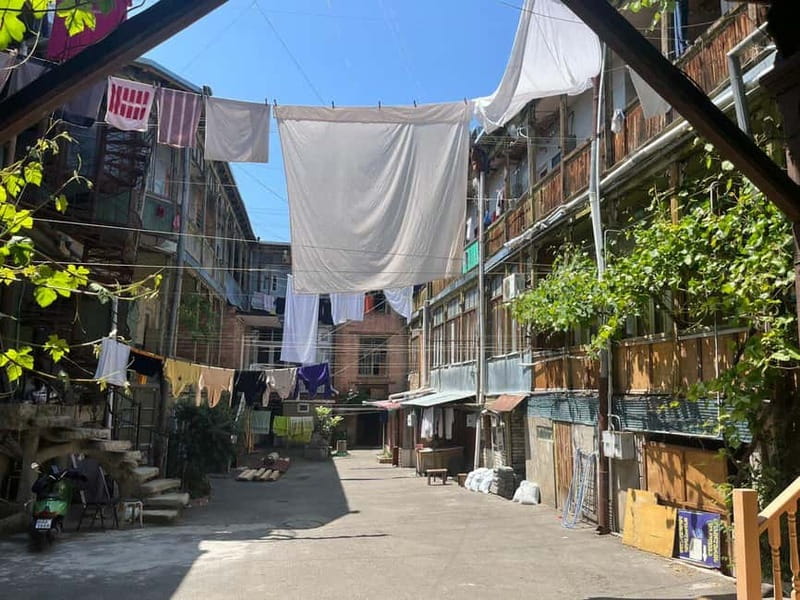
The Rezo Gabriadze Theater and its Clock Tower are among the route’s more memorable pieces of street architecture. The guided stop lasts about five minutes, so you will have time to see the building and hear the main story, but not to attend a performance.
The clock tower has an unusual, almost storybook appearance that breaks up the heavier stone architecture nearby. It is a good example of how Tbilisi mixes old materials, modern creativity, and playful design within a compact area.
The walk finishes at Liberty Square after about 10 minutes of guided sightseeing. This is a practical ending point, with the old town behind you and the city’s broader central avenues ahead.
If you still have energy, you can continue along Rustaveli Avenue. The extension is flexible and may include views of theaters and museums. That flexibility is valuable, but it also explains why the exact end time can vary. A fast group may cover more ground, while a group stopping for questions and photographs may finish at Liberty Square.
How much can fit into three hours?
On paper, the route covers a lot: baths, a waterfall, fortress, churches, monuments, bazaars, old walls, a modern bridge, a theater, and two major city squares. In practice, three hours gives you an overview rather than a slow examination of every stop.
That is not a flaw if you want orientation on your first day. You can mark places for a later return, such as the baths, churches, museums, or Rustaveli Avenue. It becomes a drawback if you want long interior visits, extensive photography, or detailed architectural study.
One piece of feedback praised an individual walk completed in two hours, while another noted that the available time felt tight. This tells you something useful: the pace can adapt, but you should not assume every stop will receive equal attention. Tell Alesia what matters most before you start.
If you care most about churches, ask for more context there. If the fortress view is your priority, protect time for it. If you want local street details, allow the guide to linger in the old lanes instead of trying to rush through every listed sight.
Price, group size, and practical value
At $47 per person, this is not the cheapest way to take a quick look at Tbilisi, but the private format improves the value. You are paying for a guide who can adjust the route, answer your questions, and explain details that are easy to miss on your own.
The price makes the most sense for couples, families, or small groups who want a personal introduction without joining a larger party. It is also good value if you are visiting Tbilisi for a short stay and want to understand the old center quickly.
The walking format keeps the experience close to the city. You are not watching Tbilisi through a vehicle window. You move through the lanes, pause at the baths, cross the bridge, and see how the old and new areas meet.
Food and drinks are not included, so budget separately if you want a snack or meal during the day. The tour itself is focused on sightseeing and guiding.
Free cancellation up to 24 hours before the start and the option to reserve now and pay later make planning easier. Starting times depend on availability, so check the schedule before building the rest of your day around it.
Who should book this walk?
I would choose this tour if you want a first look at Tbilisi with personal guidance and you enjoy moving between major sights and small urban details. It is a good fit for anyone who likes asking questions, changing the pace, and seeing more than a standard postcard route.
It also suits German-speaking visitors especially well, since Alesia has received strong praise for her German and for explaining Georgia with warmth and patience. English, Russian, and Belarusian speakers have language options too.
I would hesitate if you want a flat route, long indoor visits, or a relaxed pace with little walking. The fortress approach, old-town surfaces, and narrow streets require comfortable shoes and reasonable endurance. Anyone with mobility impairments should choose a more suitable city experience.
Should you book the Historical Walking Tour of Tbilisi?
Book it if you want the main sights tied together by local explanation, especially the sulfur baths, Narikala view, old churches, and Bridge of Peace. The private format and flexible finish are the real advantages, and Alesia’s ability to respond to questions adds a personal touch.
Skip it if you prefer to explore slowly on your own or need step-free access. For most able walkers, though, $47 is a fair price for a focused introduction to central Tbilisi, especially if you tell the guide what you want to see before the clock starts.
FAQ
How long does the Historical Walking Tour of Tbilisi last?
The tour lasts three hours. The exact finish can vary because the group may end at Liberty Square or continue along Rustaveli Avenue.
What languages can the guide speak?
The guide is available in English, German, Russian, and Belarusian.
Is the tour private?
Yes. The experience is offered for a private group.
Where does the tour begin?
The meeting point is the Monument Fountain of the Falcon and Pheasant. Hotel or apartment pickup may be possible if you provide the address and it is not too far away.
What should I bring?
Bring comfortable walking shoes. The route includes narrow old-town streets, walking toward Narikala Fortress, and other uneven or hilly sections.
Is food or drink included?
No. Food and drinks are not included and should be paid for separately if needed.
More History Tours in Tbilisi
- Tbilisi: Guided Walking Tour of Historic City
★ 4.9 · 156 reviews - Mtskheta, Jvari, gori, uflistsikhe, history and panorama (group tours)
★ 4.5 · 107 reviews - Tbilisi old town & soviet heritage – Private driver-guided Tour
★ 5.0 · 83 reviews - Private Wine tasting in Historic Karalashvili Wine Cellar
★ 5.0 · 60 reviews
Just added near Tbilisi
- Wine Tasting feel the Difference of Qvevri or Classical Wine★ 4.4 · 10 reviews
- Walking Tour in Old Tbilisi – Group Tour★ 4.5 · 8 reviews
- From Tbilisi: Kakheti and Kazbegi 2-Day 4X4 Jeep Tour pack★ 5.0 · 6 reviews
- Tbilisi: Vintage Fashion and Secondhand Thrifting Tour★ 5.0 · 11 reviews
- Uforgatable Kakheti Tour with wine tasting – in Georgia★ 4.9 · 5 reviews
- From Tbilisi: Uplistsikhe Caves and Mtskheta Town Day tour★ 5.0 · 2 reviews
- Tbilisi Airport to Gudauri, Bakuriani, Batumi, Tbilisi★ 5.0 · 3 reviews
- Private Adorable City Tour of Tbilisi★ 5.0 · 3 reviews
Historical Tours, compared.
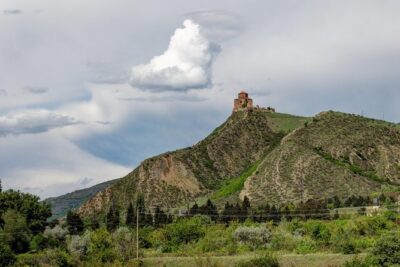
Mtskheta, Jvari, gori, uflistsikhe, history and panorama (group tours)
Read our review →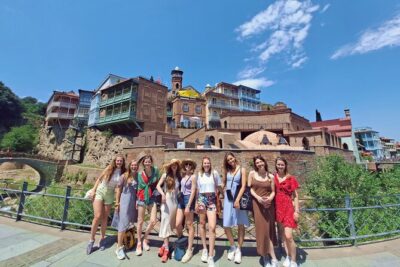
Tbilisi old town & soviet heritage – Private driver-guided Tour
Read our review →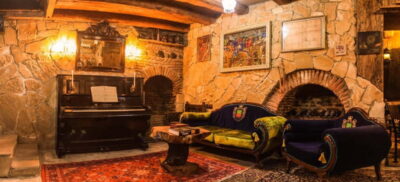
Private Wine tasting in Historic Karalashvili Wine Cellar
Read our review →
Browse the lists this tour appears in