
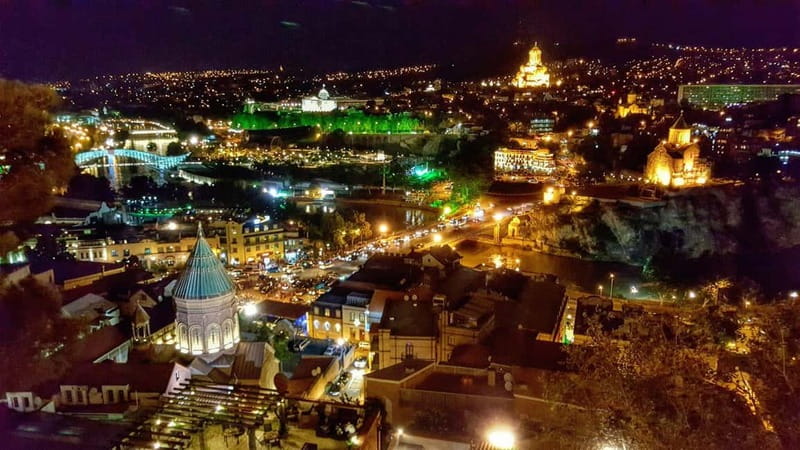
Reviewed · HISTORICAL TOURS
Tbilisi: Guided Walking Tour of Historic City
Tbilisi rewards curious walkers. This $14 tour links the old city’s churches, mosque, synagogue, sulfur baths, river views, and legends in a useful three-hour introduction. I especially like the small groups of up to 10 and the practical food, wine, and sightseeing advice from guides such as Sally and Nick Z. The main drawback is the terrain: stairs, slopes, and uneven paving can make parts of the walk tiring.
I also like the range of places covered, from the Bridge of Peace and Rike Park to Metekhi Church and Leghvtakhevi Waterfall. The tour is a strong first-day choice, though the amount of history can feel heavy if you prefer a slow, purely scenic stroll.
In This Review
- Key points at a glance
- Why this is a smart introduction to Tbilisi
- Starting near Rustaveli Avenue
- Meidan Bazar and the old trade routes
- Jan Shardeni Street and the Tamada
- The Bridge of Peace and Rike Park
- Europe Square and the Berlin Wall Stone
- Metekhi Church and King Vakhtang Gorgasali
- Abanotubani and the sulfur baths
- Leghvtakhevi Waterfall and the Bridge of Love
- Samghebro Street and the Armenian Church
- What the guides add to the experience
- Pace, group size, and practical comfort
- Is $14 a fair price?
- Who should book this Old Tbilisi walk?
- Should you book it?
- FAQ
- How long is the Tbilisi historic walking tour?
- Where does the tour start?
- Where does the tour finish?
- Which languages are available?
- Is the tour suitable for wheelchair users?
- Is food or wine included?
Key points at a glance
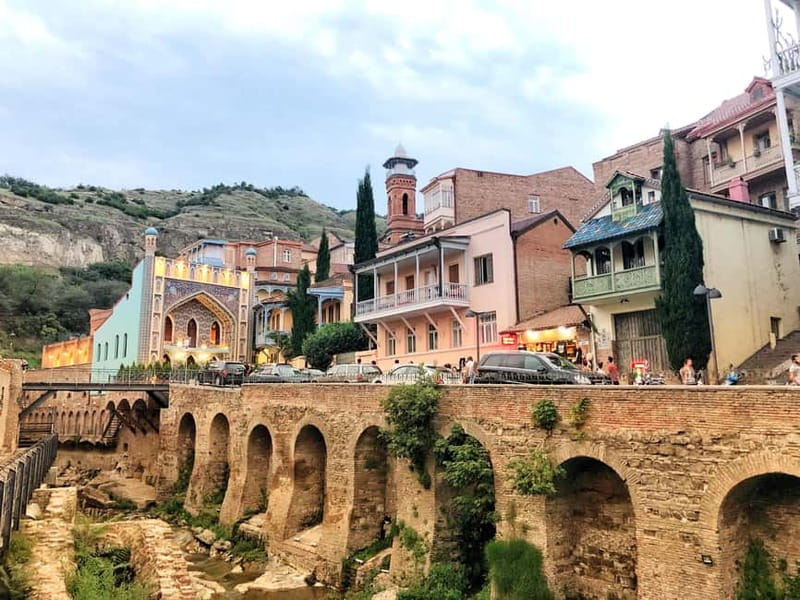
- A strong first look at Old Tbilisi: The route brings together religious landmarks, royal history, Silk Road trade, modern architecture, and local customs.
- Small-group format: With no more than 10 participants and a minimum of two, you get a more personal walk than a large city group.
- Sally earns frequent praise: Her friendly manner, clear explanations, honest advice, and food recommendations are a major part of the experience.
- Excellent price for three hours: At $14 per person, the tour offers useful orientation and historical context for very little money.
- Expect real walking: Comfortable shoes, water, and suitable clothing matter, especially on stairs and uneven streets.
- Flexible extras: Wine tasting or lunch may be arranged in advance, but these are optional additions rather than part of the standard tour.
Why this is a smart introduction to Tbilisi

Old Tbilisi can feel confusing at first. Streets change names, historic buildings sit beside bold modern designs, and the city’s religious and political story is spread across a compact but hilly area. This walk gives you a framework before you explore on your own.
The route covers far more than one postcard view. You move from a square connected with five religions to an old market area, then across a modern bridge, past Soviet-era symbolism, and into the district of churches, baths, waterfalls, and river overlooks. That mix helps explain why Tbilisi feels different from many European capitals.
At $14, the value is easy to see. You are not paying for transport or admission to a major paid attraction. You are paying for a local person to connect the sights, explain the stories, answer questions, and help you use the rest of your time in Georgia better.
The strongest praise centers on the guides, especially Sally. She is described as warm, energetic, patient, and easy to talk with. Her advice extends beyond the walk to Georgian food, wine, shopping, other places to visit, and even common tourist scams. That practical layer is often worth as much as the historical commentary.
More Walking Tours in Tbilisi
- Tbilisi Walking Tour Including Cable Car and Traditional Bakery
★ 5.0 · 1,310 reviews - Tbilisi: City Highlights Guided Walking Tour
★ 4.9 · 1,114 reviews - Tbilisi:Evening Walking & Talking Tour with Wine & Boat Ride
★ 5.0 · 572 reviews
Starting near Rustaveli Avenue
The meeting point is in front of the Magti Office at 20 Shota Rustaveli Avenue. You should arrive about 10 minutes early, since the tour is designed to begin promptly and the group needs to move together through the city.
Rustaveli Avenue is a useful starting point because it places you near central Tbilisi before the route turns toward the older quarters. The walk finishes at 1 Samghebro Street, so you do not return to the starting point. Plan your afternoon around the finish, rather than assuming you will end back near Rustaveli.
The activity lasts three hours and runs in a small group. English and Russian are offered, while another language may be possible with advance notice. The minimum group size is two people, so the tour may not operate as a private walk if only one person books.
Meidan Bazar and the old trade routes

Meidan Bazar is one of the early stops, with time for photos, a visit, and explanation from the guide. The area recalls Tbilisi’s role as a trading center along routes connecting Europe and Asia.
This is where the guide’s storytelling matters. A market is more than a collection of shops when you understand how goods, languages, religions, and travelers passed through the city. You get a useful sense of why Tbilisi developed as a meeting place instead of a city with one simple cultural identity.
The old bazaar setting also gives you a practical orientation to the historic center. It is a good spot to note restaurants, shops, and streets you may want to revisit after the tour. Do not expect a long shopping stop. The focus is on seeing the area and understanding its place in the city.
Jan Shardeni Street and the Tamada
Jan Shardeni Street brings you into one of the better-known lanes of Old Tbilisi. The route includes a stop at the Tamada Sculpture, a figure connected with Georgia’s famous tradition of hospitality and extended table toasts.
The Tamada is not just a decorative photo opportunity. Georgian meals often have a strong social and ceremonial side, and the toastmaster helps explain how food, wine, friendship, and public speaking fit together. Your guide can give this custom a human scale, rather than reducing it to a tourist symbol.
This part of the walk is also a good test of your preferred pace. The streets are atmospheric, but they can be busy and uneven. You will stop often for photos and stories, yet you should still wear shoes that handle old paving comfortably.
A slower pace, same corner of the Caucasus:
- Tbilisi: Day Trip to Kazbegi, Gudauri, Gergeti, and Ananuri
★ 4.9 · 3,203 reviews - Day Trip to Kakheti Wine Region Including 9 Wine Tastings
★ 5.0 · 2,774 reviews - Highlights of Caucasus Mountains-Jinvali,Ananuri,Gudauri,Kazbegi(Group tour)
★ 5.0 · 2,682 reviews - From Tbilisi: Kakheti Wine Region Tour with 9 Wine Tastings
★ 4.9 · 2,541 reviews
The Bridge of Peace and Rike Park
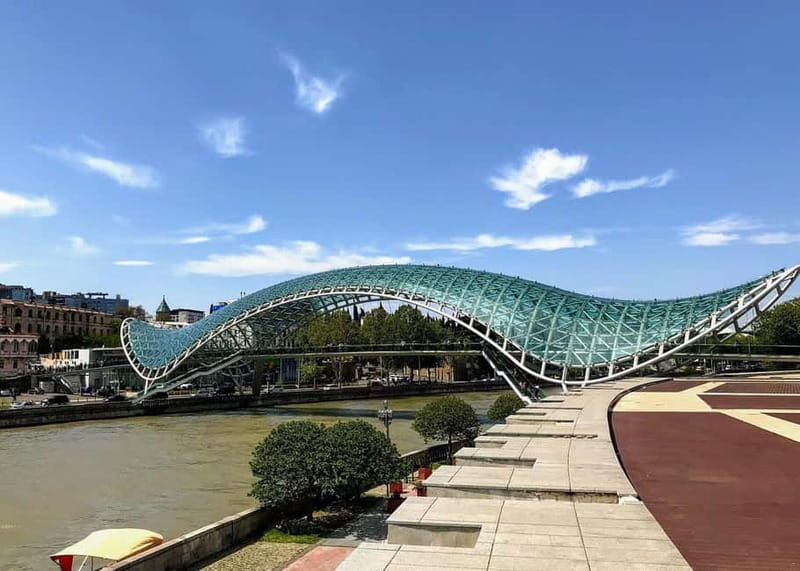
The Bridge of Peace gives the walk a sharp change of mood. Its modern glass-and-steel design crosses the Mtkvari River, creating a deliberate contrast with the older streets nearby.
I like this contrast because it prevents the tour from treating Tbilisi as a museum. The city has an old core, but it also has recent architecture, public parks, and changing ideas about how the capital should look. From the bridge, you can take in the river corridor and see how the newer parts of the city relate to the historic center.
Rike Park follows as part of the route. The park offers an open break from narrow lanes and dense old buildings. It is also a useful place for photographs and orientation. The tour includes time for both, but this is not a leisurely park visit with a long pause. The group continues on foot.
Europe Square and the Berlin Wall Stone

Europe Square provides another riverfront setting before the route reaches the Metekhi area. The stop at the Berlin Wall Stone adds a small but meaningful piece of modern political history to the walk.
The stone is not a huge monument, and you should not expect a long museum-style presentation around it. Its value comes from the idea it represents: freedom and the memory of a divided Europe. Set among Tbilisi’s much older churches, baths, and fortifications, it shows how the city’s story includes recent global events as well as local legends.
This is one reason the tour feels broad for its price. You are not only hearing about kings and old religious buildings. You are also being asked to notice how Georgia relates to larger European and regional stories.
Metekhi Church and King Vakhtang Gorgasali
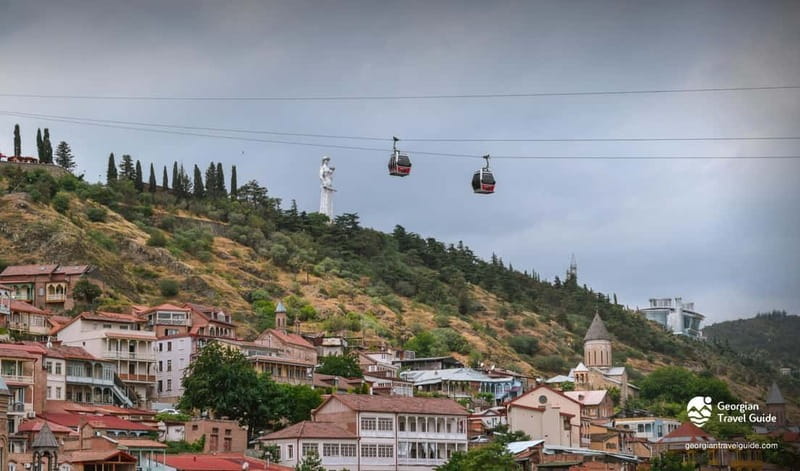
Metekhi Church is one of the route’s major sights. Set above the Mtkvari River, it offers a strong view and a direct connection to the city’s early royal story.
Nearby, the statue of King Vakhtang Gorgasali recalls the ruler traditionally associated with founding Tbilisi. The connection between the king, the river, and the sulfur springs is central to the city’s origin story, so this stop helps tie together places you have already seen and are about to visit.
You should allow time for questions here. The guides are praised for explaining details clearly and responding to what people ask, rather than simply delivering a fixed speech. Sally in particular is described as keeping the pace relaxed and making room for photos and conversation.
Church etiquette still matters. Dress respectfully, keep your voice low inside, and follow the guide’s directions if the group enters. The route information allows for visits and guided explanation, but the exact interior access can depend on conditions at the time.
Abanotubani and the sulfur baths

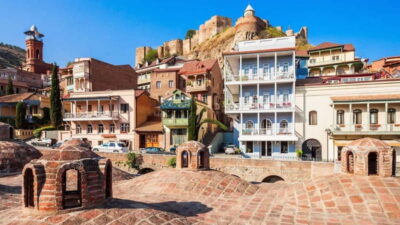
Abanotubani is one of Tbilisi’s most recognizable districts. Its domed brick roofs belong to the old sulfur bath tradition, and the mineral waters are closely tied to the city’s name and origin story.
The baths are still an active part of Tbilisi life, not just a historic backdrop. Your guide can explain their place in local culture and point out the architectural features that make the district easy to identify. The rounded roofs, low brick forms, and surrounding lanes create some of the tour’s best photo moments.
Do not confuse a visit to the bath district with a bathing session. The standard walk is a sightseeing and history experience. An optional wine tasting or lunch may be arranged ahead of time, but a bath visit is not listed as part of the regular program.
Leghvtakhevi Waterfall and the Bridge of Love
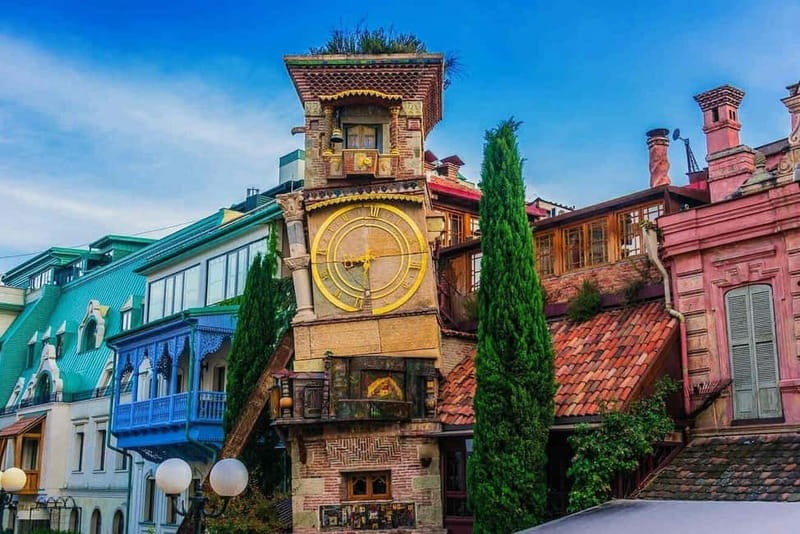
The route continues toward Leghvtakhevi Waterfall, a surprising natural feature in the middle of the city. This stop adds sound, shade, and a break from the built-up streets.
The Bridge of Love is also included for photos and guided commentary. These smaller stops help keep the walk from becoming a march between famous monuments. You get a sense of how ravines, water, bridges, and narrow paths shaped the old settlement.
This is another point where mobility deserves attention. The tour is described as wheelchair accessible, but the practical notes also warn about stairs and uneven surfaces and say it is not recommended for people with limited mobility. I would contact the provider before booking if you need a fully step-free route.
Samghebro Street and the Armenian Church
The final section leads along Samghebro Street, described as a less-traveled path with stories in its walls. This is the kind of stretch I value on a city walk because it gives you more than the standard collection of major landmarks.
The finish at the historic Armenian Church brings the tour back to Tbilisi’s multicultural character. The church is a quiet reminder that different communities have helped shape the city over time. After the larger sights and river views, this ending feels more reflective.
You finish at 1 Samghebro Street, not at the original Rustaveli meeting point. That location leaves you in the old city, where you can continue on foot or use the guide’s recommendations for food and drinks.
What the guides add to the experience
A city walk can be useful but dull if the guide only lists dates. That does not seem to be the issue here. The strongest feedback describes Sally as funny, welcoming, passionate about Georgia, and willing to tailor the walk to individual interests.
She has also added church visits and a quick wine tasting when suitable, according to one account. Treat that as a possible personal adjustment, not a guaranteed feature. The standard service includes guided visits and explanations, while extras should be arranged or confirmed in advance.
Nick Z is also praised for his clear explanations and command of local history. The precise guide may vary, but the overall format is built around direct conversation. You can ask about what you see, seek restaurant advice, and get suggestions for the rest of your time in Tbilisi.
One useful detail from the feedback is that the tour can work for families. An 11-year-old and a 13-year-old were kept interested during the walk through a mix of stories, sights, and pauses. Still, three hours on foot will suit children who can handle city walking.
Pace, group size, and practical comfort
A three-hour walking tour sounds modest, but Old Tbilisi includes slopes, stairs, and irregular paving. Bring water, wear comfortable shoes, and dress for the forecast. The tour runs rain or shine.
The small group limit of 10 is important. You are more likely to hear the guide, ask questions, and stop for photos without holding up a crowd. It also makes the social side easier, and several people appreciated meeting others during the walk.
The route has frequent stops, so it is not three hours of nonstop walking. Even so, anyone with limited mobility should ask for a detailed route check before booking. The wheelchair-accessible description should be read alongside the warning about uneven paths and stairs.
Is $14 a fair price?
Yes, for most visitors. At $14, you receive three hours with a local guide, a broad introduction to Old Tbilisi, historical context, legends, and recommendations for food and wine. Even if you later revisit only two or three places, the orientation can save time and help you choose where to spend the rest of your stay.
The tour is especially good value if you have only one day in Tbilisi. It gives you a quick map of the old center and introduces major areas without requiring taxis between them. A visitor who already knows the city may find some stops familiar, but the guide’s explanations can still add meaning.
You should not book it expecting entry tickets, a meal, or a long stop at every landmark. It is a walking introduction, not a full museum tour or a private cultural day. Optional wine tasting or lunch can be arranged in advance, but ask about the extra cost and timing.
Who should book this Old Tbilisi walk?
I would choose it for a first visit, a short stay, or the opening morning of a longer Georgia trip. It suits history fans, food-minded visitors, families with older children, and anyone who wants local advice before making restaurant and sightseeing choices.
It is less suitable if you want a completely gentle route, a private tour, or long unhurried time inside each church. People who already know Old Tbilisi may prefer a narrower walk focused on architecture, food, wine, or Soviet history.
The activity has a 4.9 rating from 156 reviews, with repeated praise for the guides’ energy, clarity, humor, patience, and recommendations. That pattern matters because the route itself is easy to find on a map. The real value is having someone explain why these places belong together.
Should you book it?
Book this tour if you want an affordable, friendly orientation to Tbilisi with plenty of history and practical advice. Sally’s style sounds particularly appealing if you like questions, personal recommendations, and a guide who talks about present-day life as well as the past.
Skip it if stairs and uneven ground are a serious concern, or if you prefer exploring alone at a very slow pace. For most first-time visitors, though, three hours and $14 is a sensible investment, especially when your time in the capital is limited.
FAQ
How long is the Tbilisi historic walking tour?
The tour lasts three hours and includes guided visits and photo stops throughout Old Tbilisi.
Where does the tour start?
The meeting point is in front of the Magti Office at 20 Shota Rustaveli Avenue. You should arrive 10 minutes early.
Where does the tour finish?
The walk finishes at 1 Samghebro Street in the historic city area.
Which languages are available?
The tour is conducted in English and Russian. Other languages may be available on request with advance notice.
Is the tour suitable for wheelchair users?
The activity is listed as wheelchair accessible, but the route can include stairs and uneven surfaces. It is not recommended for people with limited mobility, so confirm the specific route before booking.
Is food or wine included?
Food and wine are not part of the standard tour. An optional wine tasting or lunch can be arranged in advance by contacting the provider.
More History Tours in Tbilisi
- Mtskheta, Jvari, gori, uflistsikhe, history and panorama (group tours)
★ 4.5 · 107 reviews - Tbilisi old town & soviet heritage – Private driver-guided Tour
★ 5.0 · 83 reviews - Private Wine tasting in Historic Karalashvili Wine Cellar
★ 5.0 · 60 reviews - A 6-Day Private Expedition into Rich Heritage
★ 5.0 · 34 reviews
Just added near Tbilisi
- Wine Tasting feel the Difference of Qvevri or Classical Wine★ 4.4 · 10 reviews
- Walking Tour in Old Tbilisi – Group Tour★ 4.5 · 8 reviews
- From Tbilisi: Kakheti and Kazbegi 2-Day 4X4 Jeep Tour pack★ 5.0 · 6 reviews
- Tbilisi: Vintage Fashion and Secondhand Thrifting Tour★ 5.0 · 11 reviews
- Uforgatable Kakheti Tour with wine tasting – in Georgia★ 4.9 · 5 reviews
- From Tbilisi: Uplistsikhe Caves and Mtskheta Town Day tour★ 5.0 · 2 reviews
- Tbilisi Airport to Gudauri, Bakuriani, Batumi, Tbilisi★ 5.0 · 3 reviews
- Private Adorable City Tour of Tbilisi★ 5.0 · 3 reviews
Historical Tours, compared.
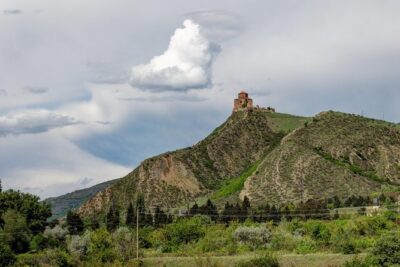
Mtskheta, Jvari, gori, uflistsikhe, history and panorama (group tours)
Read our review →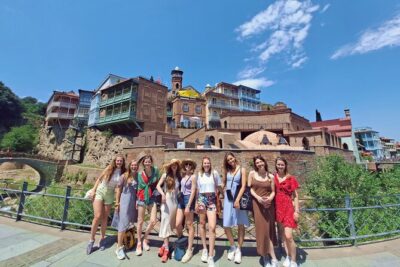
Tbilisi old town & soviet heritage – Private driver-guided Tour
Read our review →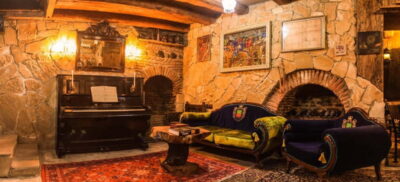
Private Wine tasting in Historic Karalashvili Wine Cellar
Read our review →

Browse the lists this tour appears in