
Reviewed · SOVIET HERITAGE TOURS
Soviet Bunker – Tbilisi Urbex tour
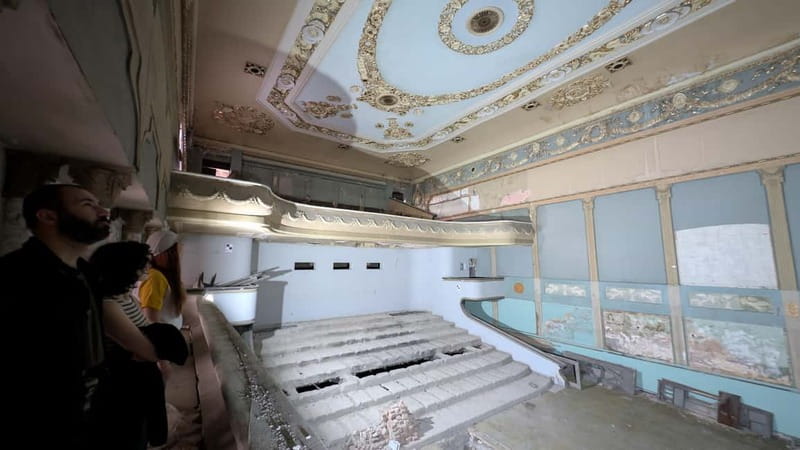
Go underground for Tbilisi’s Cold War secrets. This one-hour private tour takes you into a real Soviet-era bunker, not a museum replica, with blast doors, escape routes, military rooms, gas masks, maps, and old communication equipment. It is an unusual way to see a side of the city that ordinary sightseeing does not reach.
I like the authentic setting and the guide’s warm, well-informed approach. You get close to original objects and rooms rather than simply hearing a speech about Soviet life. I also like the small private format, which gives you space to ask questions. The main drawback is value for solo visitors: at $49 per person for one hour, the price can feel high unless you enjoy Cold War history and urbex enough to make it a priority.
In This Review
- Key things to know before you go
- Entering Tbilisi’s underground Soviet world
- The first hour: tunnels, blast doors, and escape routes
- The military control room and Soviet relics
- Cold War stories that make the rooms matter
- Why the private format changes the experience
- Comfort, access, and the slightly rough edges
- Who will enjoy this Tbilisi urbex tour?
- Booking, timing, and cancellation
- Is $49 worth it for one hour?
- Should you book the Soviet Bunker Tbilisi Urbex tour?
- FAQ
- Where does the Soviet Bunker Tbilisi Urbex tour meet?
- How long does the tour last?
- What language is the tour offered in?
- Is this a private tour?
- Can I take photographs inside the bunker?
- What should I wear?
- Is the bunker wheelchair accessible?
Key things to know before you go
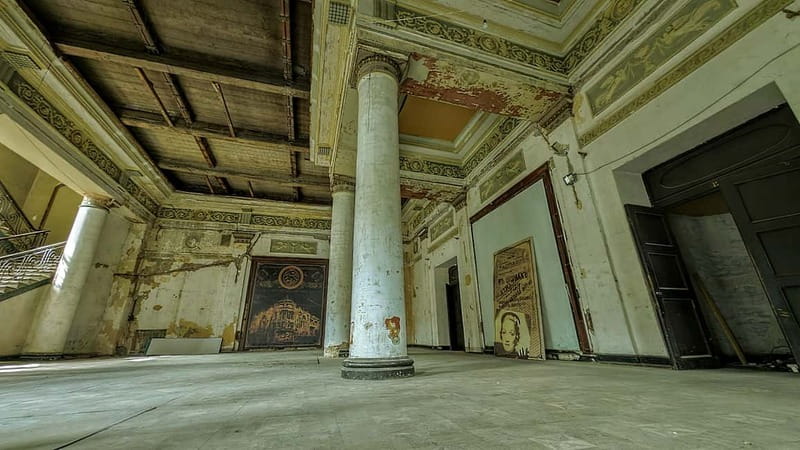
- A real underground command shelter: Walk through original Soviet rooms, tunnels, blast doors, and escape routes.
- A private English-language tour: You receive a personal guide rather than joining a large city group.
- Original equipment remains in place: Expect gas masks, maps, communication systems, posters, and military objects.
- A strong guide-led experience: The tour focuses on stories about Cold War planning and life underground.
- Photography is allowed: Bring your camera for unusual scenes and weathered Soviet relics.
- Practical limits: Comfortable shoes are important, and the site is not suitable for wheelchair users.
Entering Tbilisi’s underground Soviet world
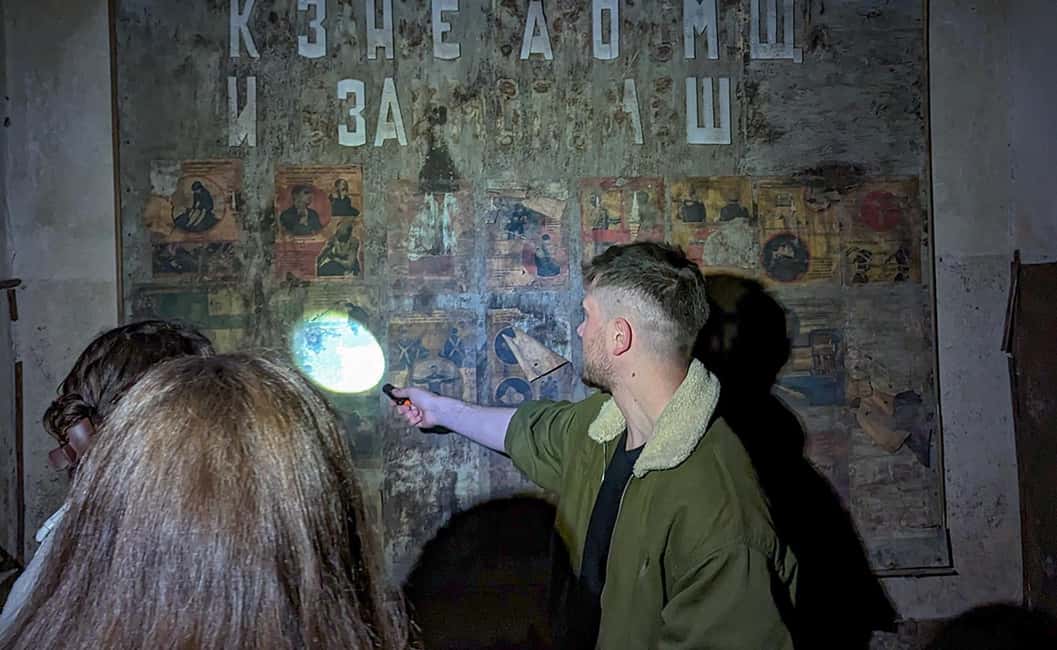
The tour begins at the entrance of Nadzaladevi metro station. That meeting point is useful because the metro gives you a simple way to reach a less familiar part of Tbilisi, though you should still confirm the exact meeting arrangements before setting out.
From there, the experience shifts quickly from ordinary city life to urban exploration. You are not walking past a Soviet building and hearing about what once happened inside. You are entering a former Cold War shelter that served as a secret hideout and command center.
That difference matters. Soviet history can feel distant when it is presented through dates and political speeches. Here, the physical setting does much of the teaching. Thick doors, narrow passageways, old systems, and underground rooms help you understand the fear that shaped this kind of construction.
The bunker was prepared for worst-case scenarios. Your guide explains how it was meant to function and what life underground could have involved. The stories give purpose to the rooms, while the rooms give weight to the stories.
More Soviet-era sights around Tbilisi:
- Tbilisi: Mtskheta Jvari Bazaar, Chronicles of Georgia & Wine
★ 5.0 · 1,088 reviews - Tbilisi:Mtskheta,Jvari,Bazaar,wine tasting,Chronicles of Georgia
★ 5.0 · 730 reviews - Tbilisi: The Chronicles of Georgia, Jvari & Mtskheta Tour
★ 5.0 · 307 reviews
The first hour: tunnels, blast doors, and escape routes
The tour lasts one hour, so the pace is focused. You should not expect a sprawling site visit with time to wander freely in every direction. Instead, the guide leads you through the main parts of the bunker and explains what you are seeing along the way.
The dark tunnels are one of the strongest parts of the visit. They create the right mood without needing theatrical effects. This is a working military shelter that has been left to age, and the rough condition is part of its appeal.
You also see massive blast doors, built to protect the people and systems inside. Their scale makes the bunker’s purpose clearer than a plaque ever could. These doors are a reminder that the site was not built as a storage room or office basement. It was designed around the possibility of catastrophe.
Secret escape routes add a mystery element, but the guide keeps the visit grounded in history. You are not simply chasing spooky stories. You are learning how the bunker was organized and how officials might have used it during a crisis.
If you enjoy urbex, these details will likely be the heart of the tour. You get the thrill of entering a place that spent decades away from public view, while still having a guide to explain the setting. That makes the experience more useful than exploring an abandoned building without context.
The military control room and Soviet relics
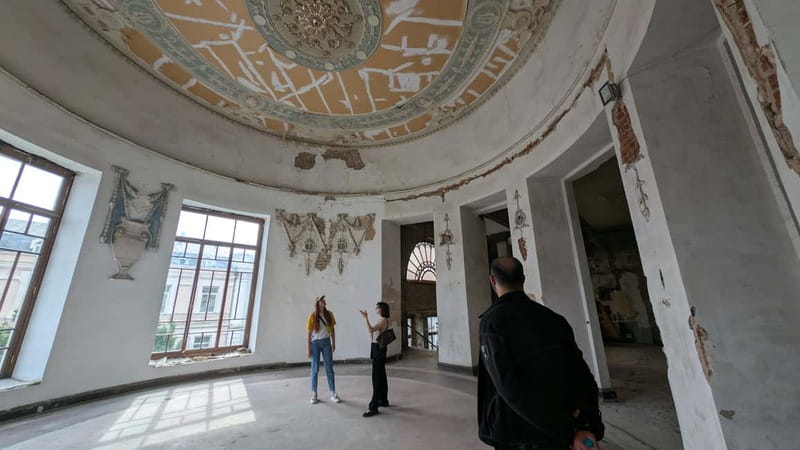
The military control room is another major stop. It gives you a clearer sense of the bunker as a command center rather than just a shelter. Communication systems and other equipment connect the room to the larger Cold War system of alerts, orders, and emergency planning.
The objects here are especially valuable because they are original. You may see Soviet posters, maps, gas masks, communication equipment, and other military items. Their worn condition is not a flaw to hide. Nature has had years to affect the site, and that decay helps you see the bunker as a place with a long, complicated afterlife.
This is also where the tour’s limitations become important. Mark from the United States recommended bringing a mask if you are sensitive to mold. That is practical advice, not a reason to cancel automatically. Still, you should be comfortable with an old underground environment and avoid treating the bunker like a polished indoor attraction.
Photography is allowed, so you can take time for unusual images of the equipment and rooms. The one-hour schedule means you should not expect an extended photo session, but there is room to capture the atmosphere. A phone camera may struggle in dark areas, so a small light can be useful if you already carry one. Do not use extra equipment in a way that distracts from the group or risks contact with fragile objects.
Cold War stories that make the rooms matter
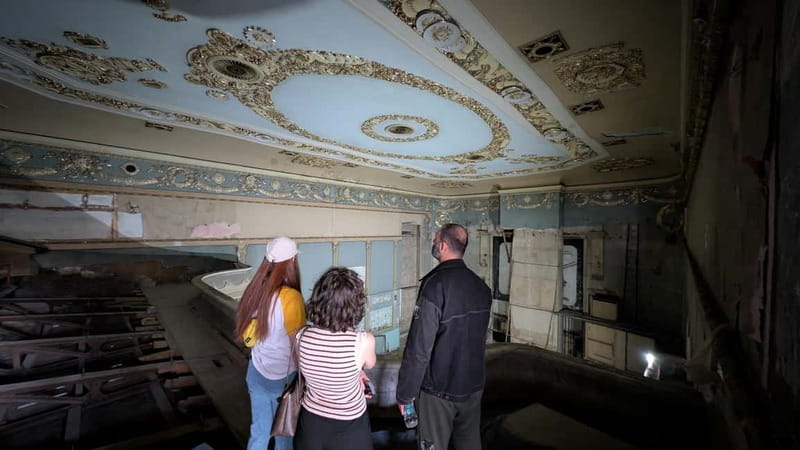
The guide’s role is central here. Without explanation, an old bunker could become a series of dark corridors and rusty objects. The English-speaking guide adds stories about underground life, Cold War secrets, and the preparations made for an emergency.
The strongest praise for this experience centers on the guide. People describe the approach as friendly, patient, attentive, and generous with time. That combination matters in a private tour. You can ask why a particular room exists, how the equipment may have been used, or what life underground would have felt like.
The guide also answers questions carefully instead of rushing through a memorized script. That makes the tour a better fit for curious visitors than for anyone who only wants a quick photograph in an unusual place.
The local connection adds another layer. This is not a generic Cold War attraction transplanted into Tbilisi. It is a piece of the city’s own Soviet past, presented by someone who cares about urban exploration and the stories behind abandoned places.
One visitor, Jeannot from the Netherlands, found the guides deeply committed to urbex and continued talking with them after the formal visit. That extra conversation included stories about other places they had explored, and it suggests that the experience can stretch beyond the advertised hour for people who enjoy that subject. You should not rely on extra time, but it is a pleasant possibility.
More Tbilisi days to weigh up
- Tbilisi: Day Trip to Kazbegi, Gudauri, Gergeti, and Ananuri
★ 4.9 · 3,203 reviews - Day Trip to Kakheti Wine Region Including 9 Wine Tastings
★ 5.0 · 2,774 reviews - Highlights of Caucasus Mountains-Jinvali,Ananuri,Gudauri,Kazbegi(Group tour)
★ 5.0 · 2,682 reviews - From Tbilisi: Kakheti Wine Region Tour with 9 Wine Tastings
★ 4.9 · 2,541 reviews
Why the private format changes the experience
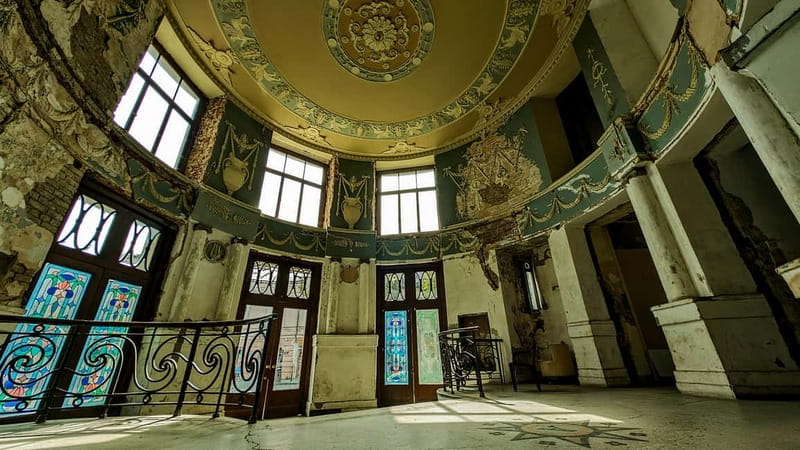
The booking is for a private group, not a standard large-group walking tour. That is a real advantage underground. Narrow corridors and dark rooms are easier to manage when you are not surrounded by a crowd.
A private visit also lets you set the tone. If you are fascinated by Soviet military design, you can ask more questions about the equipment. If you are visiting with family, the guide can explain the setting in a way that works for different ages and interests.
Sophie from the United Kingdom took her family, and the bunker worked well as a shared activity. It offers more conversation than a typical sightseeing stop, because the physical setting prompts questions almost immediately.
The tradeoff is price. At $49 per person, this is not the cheapest one-hour activity in Tbilisi. The price buys a private guide, access to a restricted-feeling site, and a specialized experience that is not easy to duplicate on your own. For a group of two or more, I can see the value more clearly. For one person, the cost per minute is harder to justify.
Mischa from the Netherlands made the same practical point: the private setup is appealing, but a small shared group could make the experience cheaper if that option ever becomes available. If you are watching your budget, compare the price with the rest of your Tbilisi plans before booking.
Comfort, access, and the slightly rough edges
Wear comfortable shoes. The route includes walking through tunnels and old rooms, and this is not the place for delicate footwear or a polished city outfit. You should also be ready for darkness and an environment affected by age, dampness, and nature.
The bunker is not suitable for wheelchair users. That is an important limitation because underground sites often include narrow passages, uneven surfaces, stairs, or other barriers. If you have mobility concerns, ask the provider directly before paying.
Alcohol and drugs are not allowed. That rule is sensible for an enclosed military site and should be treated seriously.
The tour is best for people who can handle an authentic abandoned setting. You may find mold, dust, old surfaces, and relics that have not been restored to museum condition. The lack of polish is part of the point, but it will not suit everyone.
On the positive side, the experience has been described as safe and well managed. The guide meets you at the stated point, leads the visit, and stays available for questions. Still, you should follow instructions and avoid touching equipment unless invited to do so.
Who will enjoy this Tbilisi urbex tour?
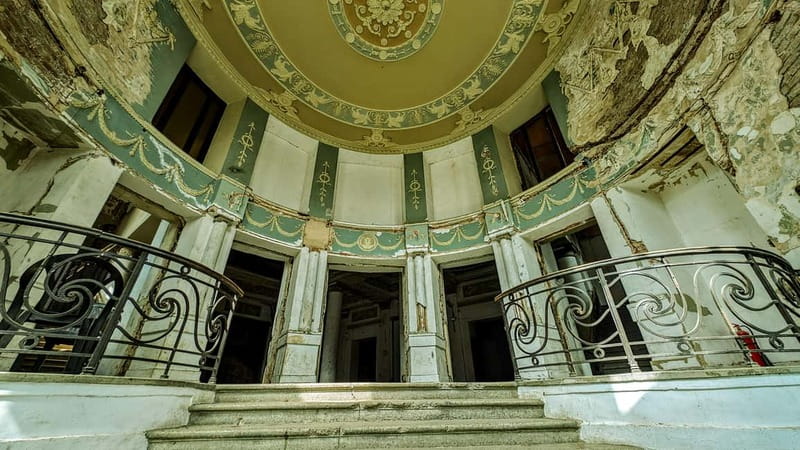
I would put this near the top of the list for:
- People interested in Soviet history and Cold War planning
- Urbex fans who want guided access rather than an unsupervised building visit
- Couples looking for an unusual activity
- Families with older children who enjoy history and mystery
- Photographers seeking unusual underground subjects
- Repeat visitors who have already seen Tbilisi’s main churches, balconies, and viewpoints
It may not suit you if you prefer bright, polished attractions, dislike enclosed spaces, or want a long tour for your money. It is also a weak match for visitors with limited mobility because wheelchair access is not available.
The tour does not replace Tbilisi’s major historical sights. Instead, it adds a very different layer. You see how the city’s twentieth-century past shaped a hidden space below street level.
Booking, timing, and cancellation
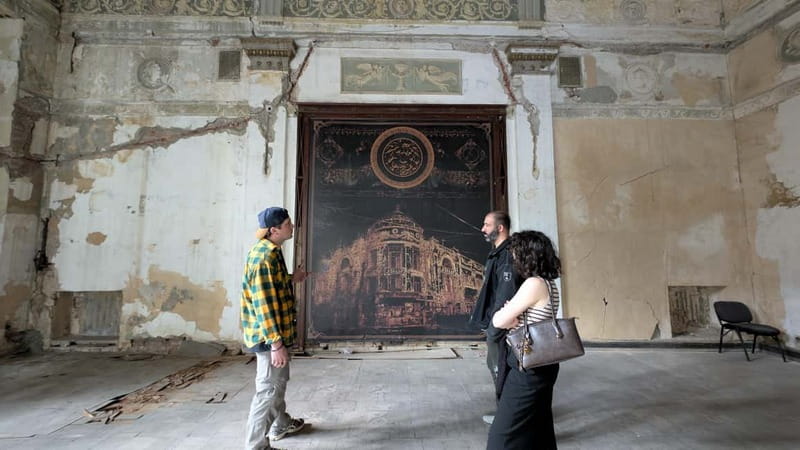
The tour is offered in English with a live guide and runs for one hour. Starting times depend on availability, so check the schedule when you choose your date.
You can reserve now and pay later, which helps if your Tbilisi plans are still changing. Free cancellation is available up to 24 hours in advance for a full refund.
The experience provider is Tinatin Goguadze. Since the tour is private, the price and format are easiest to justify when you can share the cost with a companion or small group.
Is $49 worth it for one hour?
The answer depends on what you want from Tbilisi. If you are counting every lari and mainly want famous landmarks, this may feel expensive. A one-hour tour costs more than many casual city activities, and the site is not presented as a large museum with extensive displays.
But the price also reflects access. You are paying for a specialized visit to a bunker that was hidden from public view for decades, plus a guide who can explain the equipment and the setting. You cannot recreate that experience by walking around the city alone.
The value improves if you care about Soviet history, like abandoned places, or enjoy guided photography stops. It also improves when two or more people book together. The private setting, original rooms, and time for questions give the tour more substance than a quick photo opportunity.
The 4.7 rating from 27 reviews supports the idea that the experience is consistently strong, with praise focused on the guide, the unusual location, and the sense of stepping into the past. The few reservations are practical: the one-hour length can feel brief, and the private price may be high for one person.
Should you book the Soviet Bunker Tbilisi Urbex tour?
Book it if you want an unusual, guide-led look at Tbilisi’s Soviet past and you are comfortable with dark, rough underground spaces. I especially recommend it to urbex fans, history-minded couples, and families seeking an activity far from the usual sightseeing route.
Think twice if mold bothers you, if you need wheelchair access, or if $49 feels too steep for a one-hour visit. For the best value, go with someone who shares your interest and arrive in comfortable shoes with a mask if you are sensitive to mold.
This is not a grand museum tour. It is smaller, stranger, and more direct. You walk through the rooms, see the old equipment at close range, and let the guide connect the pieces. For the right kind of curious visitor, that is exactly what makes it worth booking.
FAQ
Where does the Soviet Bunker Tbilisi Urbex tour meet?
The meeting point is at the entrance of Nadzaladevi metro station in Tbilisi.
How long does the tour last?
The scheduled duration is one hour.
What language is the tour offered in?
The tour is conducted in English by a live guide.
Is this a private tour?
Yes. The experience is offered for a private group.
Can I take photographs inside the bunker?
Yes. Photography is allowed during the visit.
What should I wear?
Wear comfortable shoes suitable for walking through underground tunnels and old rooms.
Is the bunker wheelchair accessible?
No. The experience is not suitable for wheelchair users.
Just added near Tbilisi
- Wine Tasting feel the Difference of Qvevri or Classical Wine★ 4.4 · 10 reviews
- Walking Tour in Old Tbilisi – Group Tour★ 4.5 · 8 reviews
- From Tbilisi: Kakheti and Kazbegi 2-Day 4X4 Jeep Tour pack★ 5.0 · 6 reviews
- Tbilisi: Vintage Fashion and Secondhand Thrifting Tour★ 5.0 · 11 reviews
- Uforgatable Kakheti Tour with wine tasting – in Georgia★ 4.9 · 5 reviews
- From Tbilisi: Uplistsikhe Caves and Mtskheta Town Day tour★ 5.0 · 2 reviews
- Tbilisi Airport to Gudauri, Bakuriani, Batumi, Tbilisi★ 5.0 · 3 reviews
- Private Adorable City Tour of Tbilisi★ 5.0 · 3 reviews
Soviet Heritage Tours, compared.
Mtskheta Jvari Bazaar, Chronicles of Georgia & Wine
Read our review →
Mtskheta,Jvari,Bazaar,wine tasting,Chronicles of Georgia
Read our review →
The Chronicles of Georgia, Jvari & Mtskheta Tour
Read our review →

1 Day Private Armenia: UNESCO, Soviet & Curated Family Lunch
Read our review →
Jvari-Uplistsike-Chronicle of Georgia, PRIVATE Trip
Read our review →

Day tour to Chronicles of Georgia, Gori city, Uplistsikhe cave
Read our review →Browse the lists this tour appears in