
Reviewed · GORI AND STALIN MUSEUM TOURS
Mtskheta-Jvari-Gori-Uplistsikhe-Stalins Museum All inclusive tour
Georgia’s past fits into one remarkable day. This private tour links Uplistsikhe’s rock-cut chambers with the sacred churches of Mtskheta, then adds Gori’s fortress and Stalin Museum for a broad look at Georgian culture and politics. I like the mix of ancient archaeology and living religious tradition, and I also like that transport, lunch, entrance tickets, water, and fuel are included.
The main caution is pace. The program covers five major stops in roughly eight to ten hours, so you will spend much of the day moving between sites. Guide quality also matters. One booking note found the explanations difficult to follow and lunch later than expected, while another praised guide David for allowing plenty of time and creating a relaxed day. Ask for clear commentary at the start.
In This Review
- Five details that shape the day
- Why this route works from Tbilisi
- Uplistsikhe: Georgia’s stone-built settlement
- Gori and the complicated Stalin stop
- Gori Fortress and lunch in the city
- Jvari Church above two rivers
- Svetitskhoveli, the spiritual center of old Georgia
- What $155 includes, and what it does not
- Who will enjoy this full-day outing
- Practical details before you book
- Should you book it?
- FAQ
- What time does the tour start?
- How long does the experience last?
- Is transportation included?
- Are entrance tickets included?
- Is lunch included?
- Is this a private tour?
Five details that shape the day
- Uplistsikhe is the morning’s strongest archaeological stop, with rock-hewn spaces linked to settlements dating back to the Bronze Age.
- Stalin’s Museum includes his birth house and personal train car, not only display cases and photographs.
- Gori Fortress offers a short outdoor break and a clear connection to the city’s long military past.
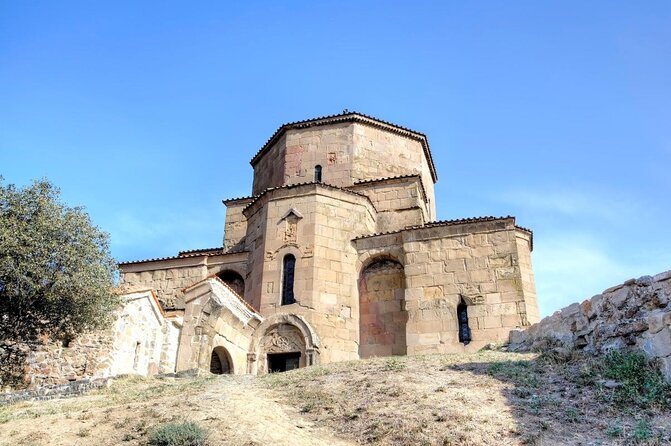
- Jvari gives you the finest view of Mtskheta, sitting above the meeting point of the Aragvi and Mtkvari rivers.
- Svetitskhoveli is more than a cathedral, with a bell tower, gate, castles, residences, and important religious relics.
- The $155 price covers most major costs, including lunch and two paid admissions, but alcoholic drinks are extra.
Why this route works from Tbilisi
This is a useful choice if you want Georgia’s central history in one outing rather than splitting it across several days. The route moves from early settlement and pre-Christian culture to the adoption of Christianity, medieval kingship, and the Soviet period.
That range is the tour’s real strength. You are not seeing five similar churches or five museum rooms. The day changes character several times, from open-air ruins to a solemn monastery, then to a museum devoted to one of the twentieth century’s most powerful and feared political figures.
The experience is private, so only your group participates. That gives you more control than a large coach tour. You can ask questions, request a little more time at a favorite stop, or keep moving when a site has given you enough. Guide David received especially warm praise for allowing people the time they needed, and he also arranged a wine tasting on top of the planned program. That extra is not guaranteed, but it shows how much the guide can shape the day.
The start time is 9:30 am. Pickup is offered, and the vehicle is air-conditioned. Since the day can last up to ten hours, those details matter more than they might on a short city tour.
More Gori and Stalin Museum runs:
- Tbilisi: Mtskheta, Jvari, Gori and Uplistsikhe Day Tour
★ 4.9 · 2,396 reviews - Day Trip to Mtskheta Gori and Uplistsikhe
★ 5.0 · 1,801 reviews - From Tbilisi : Mtskheta, Jvari, Gori & Uplistsikhe Day Trip
★ 4.8 · 432 reviews
Uplistsikhe: Georgia’s stone-built settlement
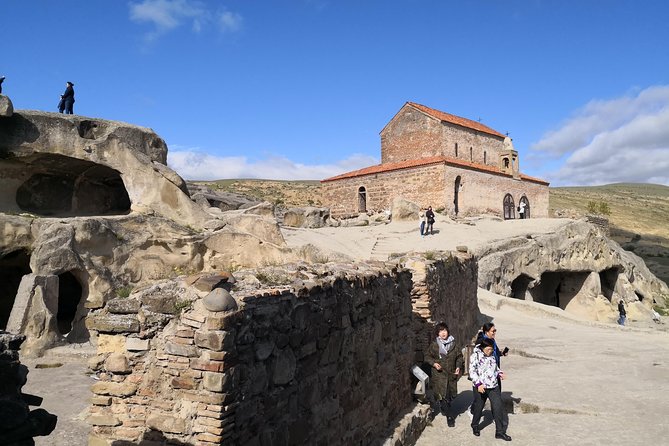
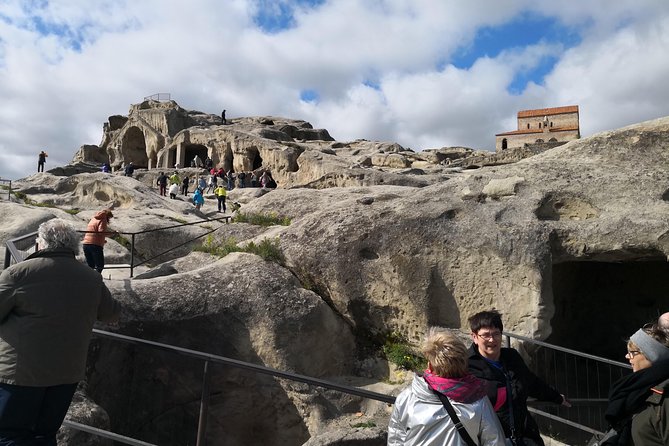
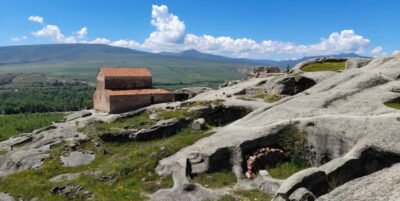
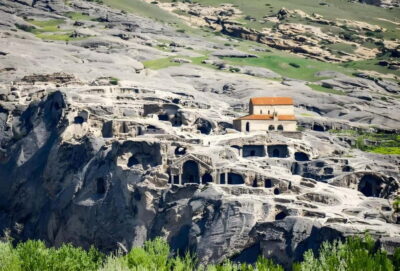
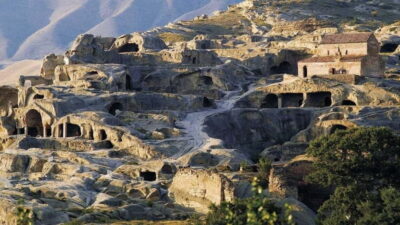
Uplistsikhe is the most unusual stop on the route. Located about 10 kilometers east of Gori on the left bank of the Mtkvari River, it is a settlement carved into rock rather than built from ordinary walls and timber.
The site was first recorded in the seventh century, but the archaeological story reaches much farther back. Some remains in the surrounding area belong to the early Bronze Age and are linked with the Kura-Araxes culture. That makes Uplistsikhe more than a dramatic photo stop. It shows how early communities used the natural rock itself for shelter, worship, work, and defense.
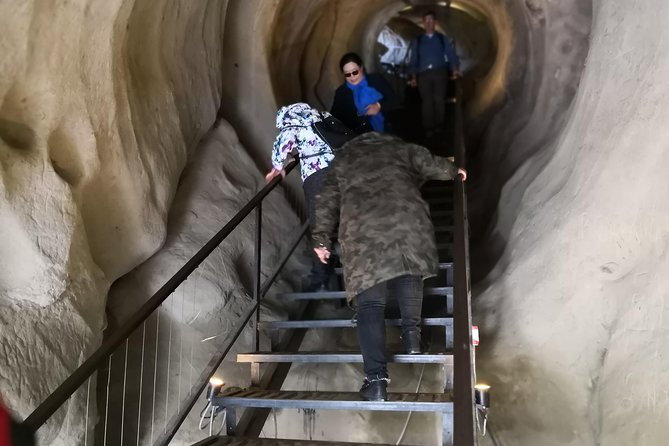
Allow about two hours here. That is the longest stop of the day, and it deserves the time. You can expect chambers, carved passages, and the remains of a settlement spread across the rock. The name is often translated as Fortress of the Lord, a fitting title for a place that feels both practical and ceremonial.
I would begin by listening carefully to the guide’s explanation of how the settlement developed. Without context, the site can look like a collection of empty caves. With context, the spaces begin to suggest a functioning town with different purposes and periods of use.
Wear sensible shoes and be ready for a moderate physical outing. The tour information specifically asks for a moderate fitness level, which is worth taking seriously at a rock-hewn archaeological site. The admission ticket is included, so you do not need to budget an extra entry fee here.
Gori and the complicated Stalin stop
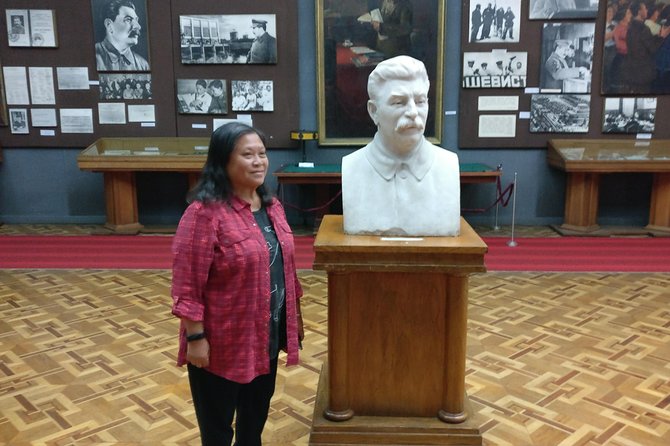
Gori gives the tour its most politically charged hour. The Stalin Museum was founded in 1937 and contains more than 60,000 exhibits connected with Joseph Stalin’s life and public image.
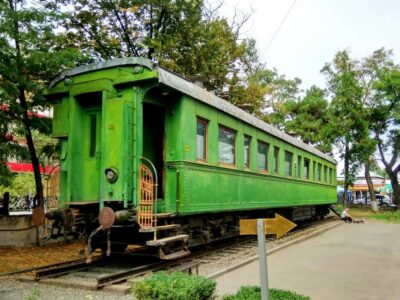
The museum complex includes an exhibition building, Stalin’s personal belongings, the house where he is believed to have been born, and his personal train car. That carriage is a particularly unusual object. Stalin used it for journeys connected with Tehran, Yalta, and Potsdam, major wartime and postwar meetings that helped shape modern Europe.
You should expect this stop to be more than a simple biography museum. Stalin’s story is tied to dictatorship, war, industrial change, and mass repression. The displays present his life through the museum’s collection, while your guide can help place the material in a wider Georgian and Soviet setting. If you prefer sites with a clear moral message, you may find the presentation less direct than expected.
The personal house is small and memorable because of its connection to Stalin’s early life. The train car offers a physical sense of how a head of state traveled, negotiated, and projected authority. Together, these objects make the museum more tangible than a room of portraits alone.
Admission is included, and the visit lasts about one hour. That is enough for an introduction, though not enough to examine every exhibit in a collection of this size. If twentieth-century politics is your main interest, you may wish the schedule allowed more time. If Stalin is only one part of your Georgian itinerary, the allotted hour is practical.
Gori Fortress and lunch in the city
Goristsikhe, or Gori Fortress, rises on a rocky hill in the center of Gori. Archaeological findings and ruins on the northern slope suggest a fortification existed here as early as the first century BC. Written records refer to it in the thirteenth century as Gori Prison.
The visit lasts about 40 minutes and admission is free. That makes it a short but useful stop between the museum and the religious sites. The fortress adds a military layer to Gori, showing that the city was important long before its association with Stalin.
Do not expect a fully restored castle. The value is in the hilltop position, the remaining ruins, and the sense of how a fort could control the surrounding area. The stop also gives you a chance to step outside after the museum.
Lunch is included at a restaurant in Gori. This is a real benefit in a long day, since you do not need to search for a meal while watching the clock. One piece of practical feedback is worth noting: lunch may come later than expected. If you need food at a particular hour, eat a solid breakfast and carry any personal snacks you require.
Alcoholic drinks are not included. That is a small but important point if you are comparing the price with other all-inclusive day trips.
More cave cities you can walk through:
- Tbilisi: Borjomi, Rabati & Vardzia Adventure Guided Tour
★ 4.9 · 817 reviews - From Tbilisi: Rainbow Mountain & David Gareja Monastery Trip
★ 4.9 · 705 reviews - Day Trip to Rainbow Mountains and David Gareja
★ 5.0 · 408 reviews - From Tbilisi: Mtskheta, Jvari, Gori, Uplistsikhe Guided Tour
★ 4.7 · 354 reviews
Jvari Church above two rivers
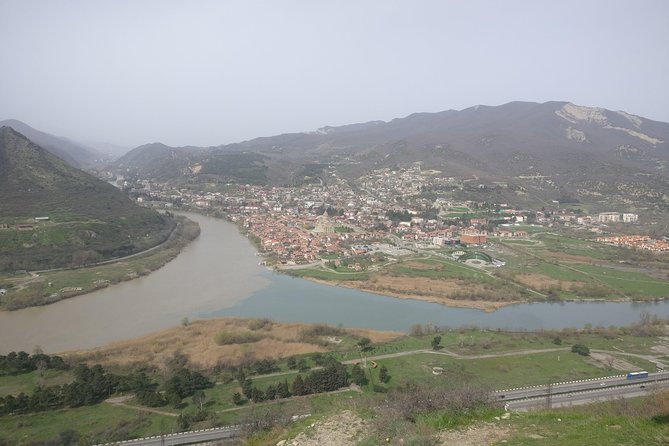
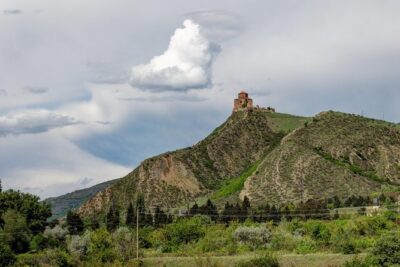
Jvari Church changes the mood completely. The sixth-century Georgian Orthodox monastery sits on a hill opposite Mtskheta, above the confluence of the Aragvi and Mtkvari rivers.
The site is tied to Georgia’s conversion to Christianity. After Christianity was adopted, King Mirian III placed a large wooden cross on the hill. In the second half of the sixth century, Guaram, ruler of Kartli, built a small church beside the Holy Cross. The present setting preserves that link between faith, royal power, and place.
You have about 40 minutes here, with no separate admission charge. The church is part of a UNESCO World Heritage listing and is an important example of early Georgian Christian architecture.
The setting is a major part of the appeal. From the hill, you can look toward Mtskheta and see the rivers meeting below. I would save a few quiet minutes after the guide’s explanation to take in the view and the church’s simple form. This is not a huge complex, so the visit works best when you slow down rather than hunt for a long list of rooms.
Dress respectfully for an Orthodox religious site. The tour details do not specify a formal dress code, but modest clothing is a sensible choice when entering a church.
Svetitskhoveli, the spiritual center of old Georgia
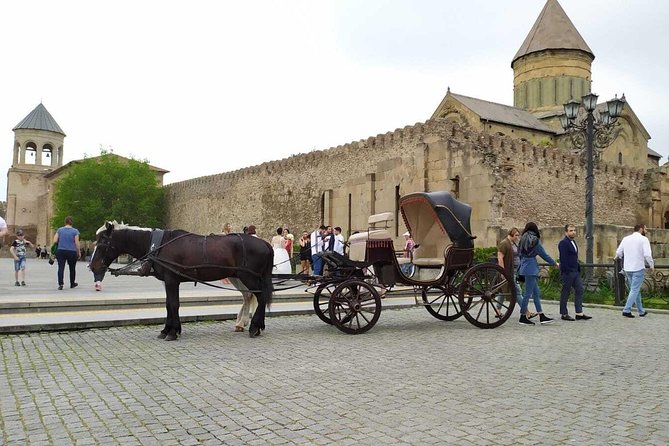
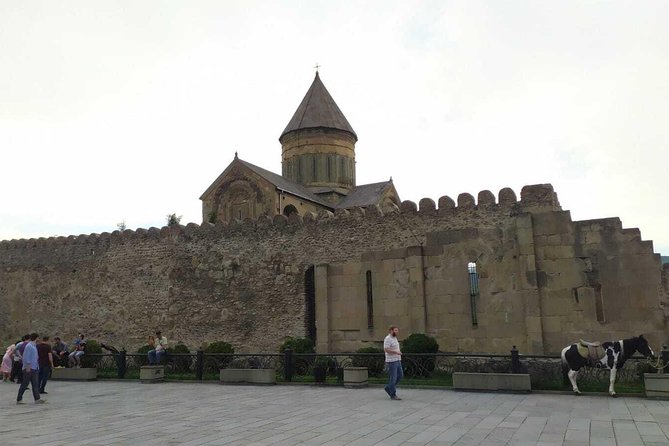
Svetitskhoveli Cathedral is the final major stop and receives about an hour. Located in Mtskheta, the eleventh-century cathedral served as Georgia’s religious center for centuries.
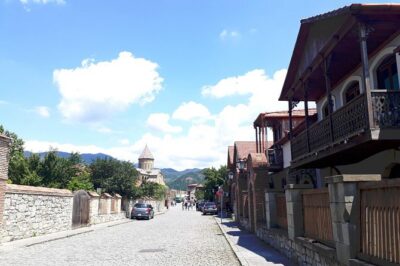
The complex is larger and more layered than Jvari. Along with the cathedral, you can see a gate, bell tower, castles, and clerical residences. The site feels like a religious center that also carried civic and political weight.
The cathedral is associated with several important relics. The mantles of Christ and the Prophet Elijah are preserved there, and the tomb of King Vakhtang Gorgasali is inside the building. These details help explain why Mtskheta matters so much in Georgian history.
Svetitskhoveli is also included in the UNESCO World Heritage listing. The church’s importance is not only architectural. It is a place of worship, memory, and national identity, so your visit will be more rewarding if you treat it as an active sacred site rather than only an old monument.
The guide’s role is especially useful here. A church can look beautiful while its history remains hard to follow. Clear explanations about the relics, royal tombs, and religious role give the building a human scale.
What $155 includes, and what it does not
At $155 per person, this is not the cheapest way to see the region. It is also not a bare transport service. The price includes private transportation in an air-conditioned vehicle, fuel, bottled water, lunch in Gori, and entrance tickets to both Uplistsikhe and Stalin’s Museum.
That package gives the price reasonable value if you want a private day with the major expenses handled in advance. The two paid admissions alone are useful inclusions, and lunch removes one common source of delay and decision-making.
The value depends on your group size and priorities. If you are traveling with family or friends, private transport and a flexible guide can make the cost easier to justify. If you are alone and mainly want the lowest possible price, a larger group excursion may cost less, though it may offer less control over timing.
The tour also offers group discounts, which may improve the deal for several people booking together. Alcohol is not included, and any optional wine tasting depends on the guide and day rather than forming part of the promised package.
Who will enjoy this full-day outing
I would choose this tour if you want a broad introduction to central Georgia and prefer a single organized day from Tbilisi. It suits people who care about archaeology, churches, national history, and the Soviet era in equal measure.
It is also a good fit for families or private groups that value an air-conditioned vehicle and a schedule shaped around their own party. The private format can make a long day feel less rigid, especially if your guide is as flexible as David was described to be.
You may want another plan if you dislike long touring days or prefer to study one site in great detail. Uplistsikhe, Stalin’s Museum, and Svetitskhoveli could each support a slower visit. Here, you get a well-chosen overview, not an exhaustive examination of every monument.
Guide communication is another factor. Make sure you can follow the explanations at the beginning of the day. The places are interesting on their own, but the connections between them are what turn a string of stops into a meaningful history lesson.
Practical details before you book
The start time is 9:30 am, and the full outing takes approximately eight to ten hours. Pickup is offered, but confirm the exact meeting arrangement when you book.
A moderate level of physical fitness is required. Uplistsikhe is a rock-hewn site, and the day includes several outdoor and historic locations. Plan for a full day rather than a relaxed half-day excursion.
Confirmation is provided at booking. Free cancellation is available if you cancel at least 24 hours before the start time. Cancellations or changes made inside that window are not accepted for a refund.
Should you book it?
Book this tour if you want one private, well-rounded day that covers Georgia’s ancient settlements, Christian heritage, medieval defenses, and Soviet past. The included lunch, two admission tickets, private vehicle, and bottled water make the $155 price easier to defend, particularly for a small group.
I would book with two expectations: the day will be full, and the guide will make a large difference. Ask for clear explanations, start with a good breakfast in case lunch runs late, and allow yourself time to appreciate Uplistsikhe and Jvari without rushing. If that sounds like your kind of day, this route gives you an unusually wide view of Georgia in a single outing.
FAQ
What time does the tour start?
The tour starts at 9:30 am.
How long does the experience last?
The tour lasts approximately eight to ten hours.
Is transportation included?
Yes. The tour includes private transportation in an air-conditioned vehicle, along with the fuel surcharge.
Are entrance tickets included?
Yes. Admission to Uplistsikhe Cave Town and Stalin’s Museum is included. Entry to Gori Fortress, Jvari Church, and Svetitskhoveli Cathedral is listed as free.
Is lunch included?
Yes. Lunch at a restaurant in Gori is included. Alcoholic beverages are not included.
Is this a private tour?
Yes. Only your group participates in the private tour or activity.
More Museums in Tbilisi
- Private Tour to Mtskheta Stalin Museum Uplistsikhe Caves
★ 5.0 · 16 reviews - Soviet Story – Private day trip to Chiatura, Stalin’s museum and Katskhi pillar
★ 4.5 · 15 reviews - Day Tour to Mtskheta, Gori (Stalin museum) and Uplistsikhe
★ 4.5 · 8 reviews - Museum of illusions,Digital Space and Ethnography in Tbilisi
★ 4.0 · 4 reviews
More Mtskheta and Jvari Half-Days
- Tbilisi: Mtskheta Jvari Bazaar, Chronicles of Georgia & Wine
★ 5.0 · 1,088 reviews - Tbilisi:Mtskheta,Jvari,Bazaar,wine tasting,Chronicles of Georgia
★ 5.0 · 730 reviews - Tbilisi: The Chronicles of Georgia, Jvari & Mtskheta Tour
★ 5.0 · 307 reviews - From Tbilisi: Mtskheta, Jvari, Gori & Uplistsikhe Cave Tour
★ 4.7 · 296 reviews
Just added near Tbilisi
- Wine Tasting feel the Difference of Qvevri or Classical Wine★ 4.4 · 10 reviews
- Walking Tour in Old Tbilisi – Group Tour★ 4.5 · 8 reviews
- From Tbilisi: Kakheti and Kazbegi 2-Day 4X4 Jeep Tour pack★ 5.0 · 6 reviews
- Tbilisi: Vintage Fashion and Secondhand Thrifting Tour★ 5.0 · 11 reviews
- Uforgatable Kakheti Tour with wine tasting – in Georgia★ 4.9 · 5 reviews
- From Tbilisi: Uplistsikhe Caves and Mtskheta Town Day tour★ 5.0 · 2 reviews
- Tbilisi Airport to Gudauri, Bakuriani, Batumi, Tbilisi★ 5.0 · 3 reviews
- Private Adorable City Tour of Tbilisi★ 5.0 · 3 reviews
Gori and Stalin Museum Tours, compared.
Mtskheta, Jvari, Gori and Uplistsikhe Day Tour
Read our review →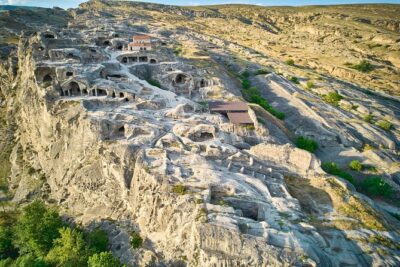
Mtskheta, Jvari, gori, uflistsikhe, history and panorama (group tours)
Read our review →Browse the lists this tour appears in