
Reviewed · HISTORICAL TOURS
Tbilisi: Wine Tasting at Old, Historical Cellar in the City
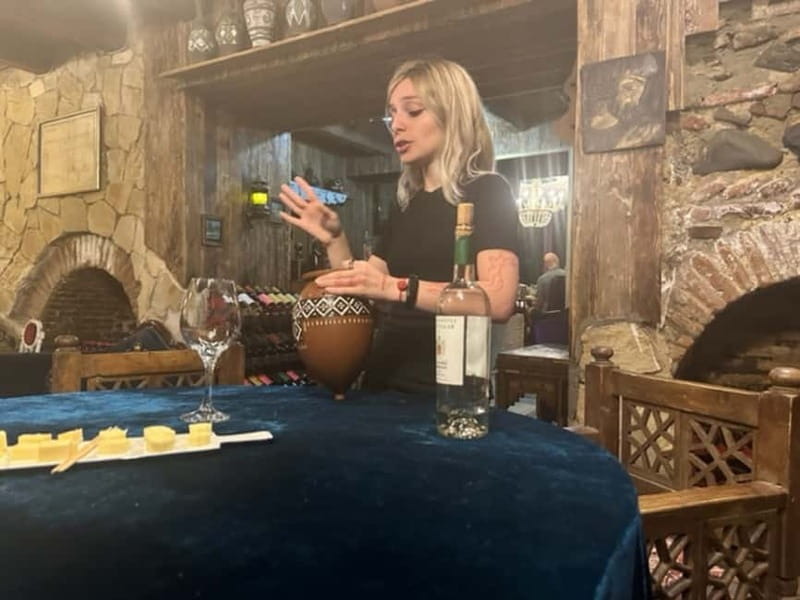
Wine tells Georgia’s story. I like this tasting for two clear reasons: you sample five limited-edition Georgian wines and learn about traditional winemaking inside a 200-year-old cellar. The local cheese plate adds a useful savory match, rather than leaving you to judge each wine on its own.
I also like the small group, limited to six people, and the personal guidance from hosts such as Teona and Dima. The main consideration is time: one hour goes quickly, and additional food or drinks are not included, so this works best as a focused introduction rather than a full evening meal.
In This Review
- Key Points To Know Before You Book
- Why Georgian Wine Deserves an Hour of Your Tbilisi Time
- Entering the Old Cellar in Central Tbilisi
- Five Glasses, Five Ways To Meet Georgian Wine
- Georgian Winemaking and UNESCO Recognition
- The Cheese Plate Is More Important Than It Sounds
- A Small Group With Named Local Hosts
- What The One-Hour Schedule Really Means
- Who Will Get the Most From This Experience?
- What The Experience Does Not Include
- Is The Tasting Good Value?
- Practical Tips For A Better Visit
- Should You Book This Tbilisi Wine Tasting?
- FAQ
- How long does the Tbilisi wine tasting last?
- How many wines are included?
- Is food included with the wine tasting?
- What languages are available?
- Can children attend the tasting?
- Can I cancel the booking?
Key Points To Know Before You Book
- Five local wines in one hour: The tasting gives you a compact introduction to Georgian grapes and winemaking styles.
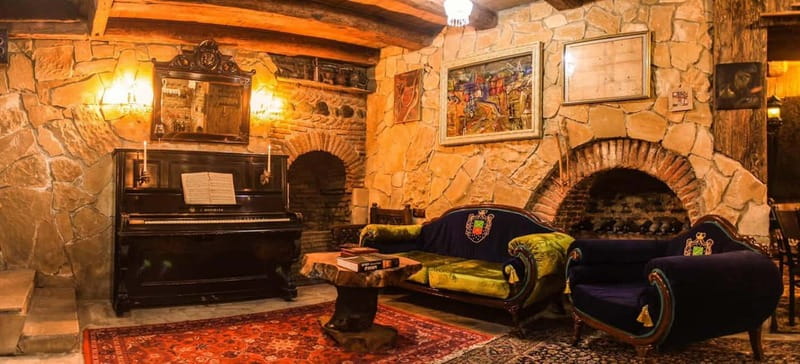
- A 200-year-old cellar in Tbilisi: You drink in a setting tied to the city’s long wine tradition, not in a generic modern bar.
- Traditional Georgian winemaking: The session explains the UNESCO-recognized method and the family traditions behind it.
- Cheese is included: A Georgian cheeseboard helps you compare the wines with food.
- Small groups matter: With no more than six participants, it should feel more personal than a large tasting.
- Adults only: Georgia’s legal drinking age is 18, and the activity is not suitable for children under 18.
Why Georgian Wine Deserves an Hour of Your Tbilisi Time
Georgia is one of the world’s important old wine-making cultures, and this experience gives you a short, practical way to understand why. Instead of tasting one bottle and calling it an afternoon, you try five local wines selected to show different parts of Georgian wine culture.
The emphasis is on grape varieties from eastern Georgia, the country’s leading wine-making region. That matters because Georgian wine is not simply a local version of familiar European wine. The grapes, methods, and family traditions can produce flavors and styles that are less common outside the country.
I would treat this tasting as a first lesson. You are not expected to leave as a wine expert. You should leave with a better sense of what makes Georgian wine different, which styles you prefer, and what bottles you may want to look for during the rest of your trip.
The activity also avoids a common problem with short wine tastings: too much focus on drinking and too little explanation. The guide introduces the methods, the wines, and the local background, so each glass has a purpose.
More Wine Tours in Tbilisi
- Day Trip to Kakheti Wine Region Including 9 Wine Tastings
★ 5.0 · 2,774 reviews - From Tbilisi: Kakheti Wine Region Tour with 9 Wine Tastings
★ 4.9 · 2,541 reviews - Tbilisi: Kakheti Wine Region Tour with 10 Wine Tastings
★ 5.0 · 2,160 reviews
Entering the Old Cellar in Central Tbilisi
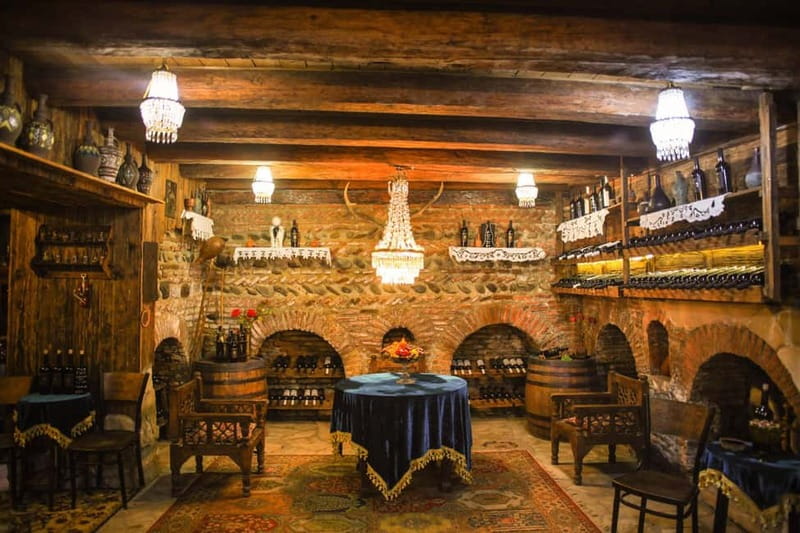
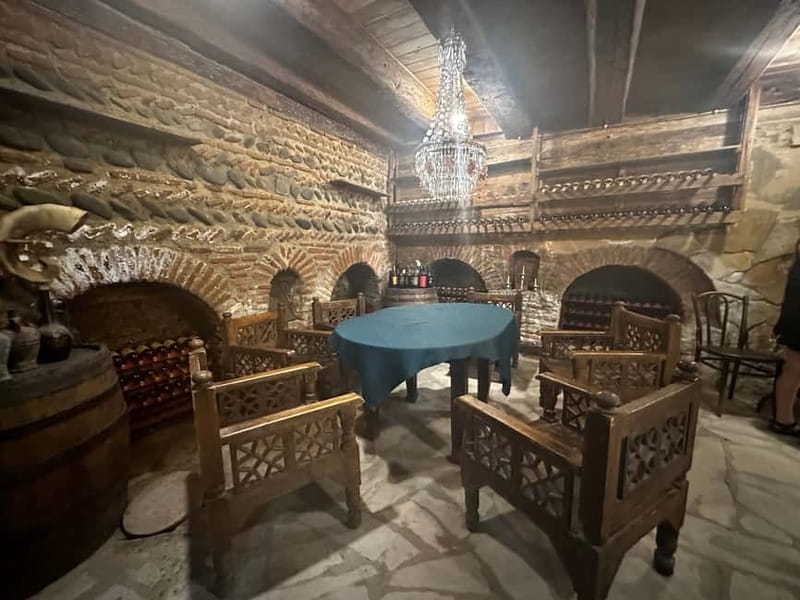
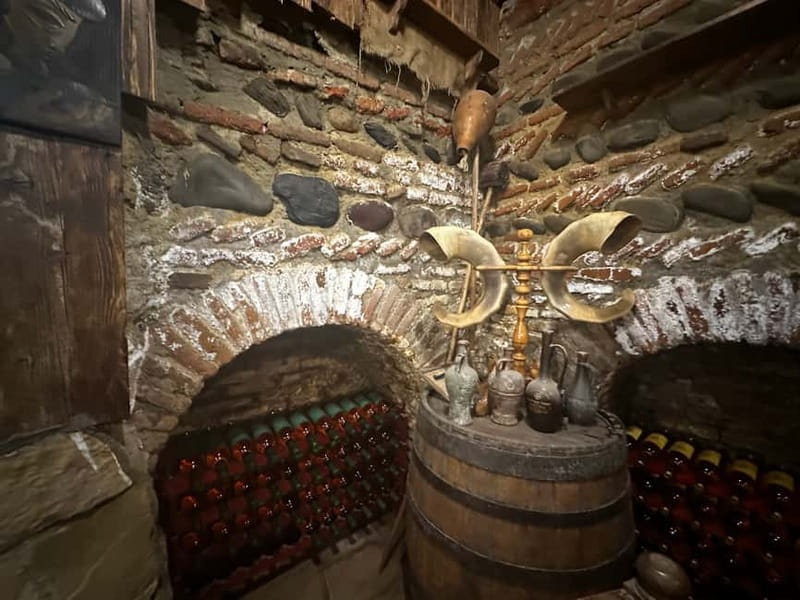
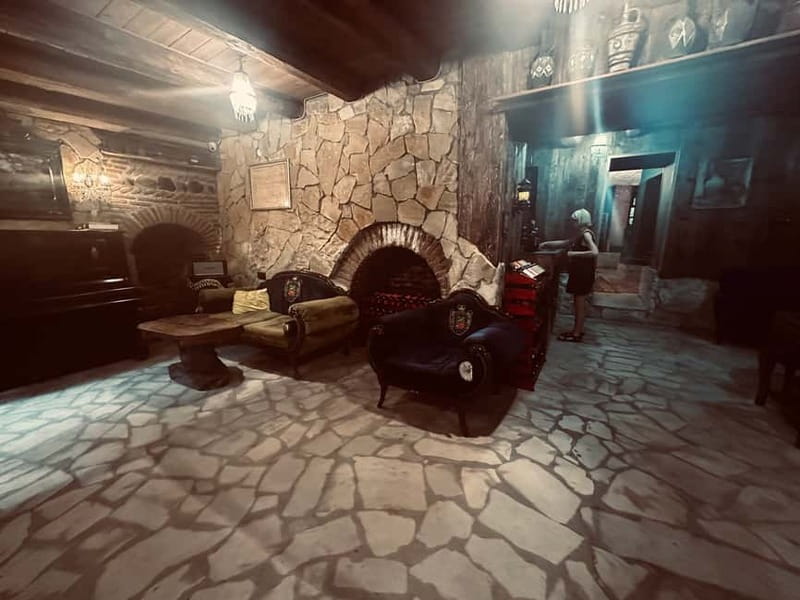
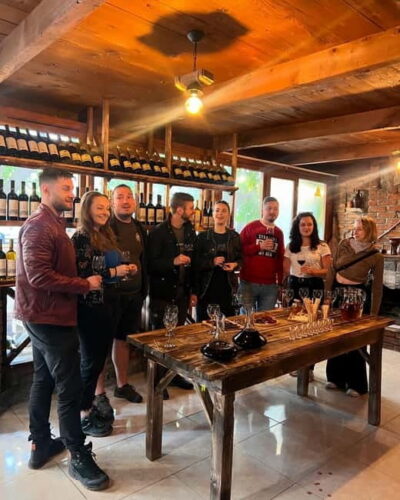
The setting is one of the main reasons to choose this experience. You taste wine in a historical cellar said to be 200 years old, giving the hour a stronger sense of place than a standard tasting room.
A cellar also suits Georgian wine particularly well. The surroundings connect the drink with the way wine has been stored and enjoyed over generations. You are not only hearing about Georgian traditions in the abstract. You are sitting in a space associated with those traditions.
The cellar experience has a clear strength and a small limitation. It gives you atmosphere and a memorable setting, but the activity is still a tasting rather than a full cellar tour. The information provided does not promise a wider visit through several production areas, vineyards, or aging rooms.
That is not a serious problem if you want an easy city activity. You can add it between other Tbilisi sights without giving up half a day. If you want a major wine-country excursion, you would need a longer activity outside the city.
Five Glasses, Five Ways To Meet Georgian Wine
The tasting includes five glasses of local Georgian wine. The selection focuses on limited-edition wines and family traditions, rather than mass-produced bottles that are easy to find everywhere.
That focus can make the tasting more rewarding for a visitor who has already tried common international wine brands. You may find bottles here that are harder to locate elsewhere, which gives the experience a strong local purpose.
The five-wine format is also practical. One or two glasses can give you a pleasant taste, but they do not show much range. Five samples allow you to compare different local wines and notice how grape type and traditional production methods affect the result.
The hour-long schedule means the tasting is likely to move at a steady pace. You should expect an introduction, several pours, explanations, and cheese pairings rather than long breaks between glasses. If you prefer to linger over every pour, ask questions, and take detailed notes, the schedule may feel tight.
For most people, that brisk pace is useful. You get a clear overview without turning the tasting into a long commitment. Just avoid booking it when you need to rush immediately to another appointment.
Georgian Winemaking and UNESCO Recognition
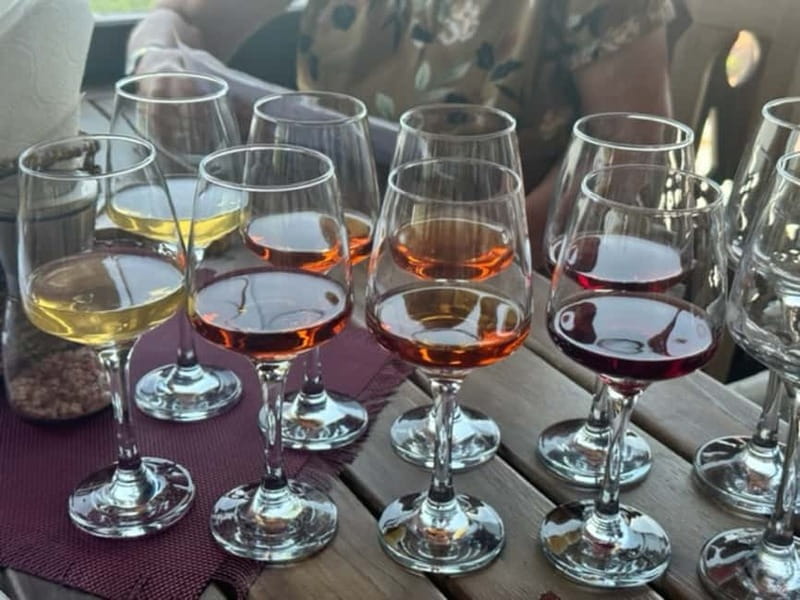
One of the most valuable parts of the session is the explanation of Georgia’s traditional winemaking technique. This method is included in UNESCO’s list of intangible cultural heritage, so the subject is more than a marketing detail. It is part of Georgia’s living cultural identity.
The activity presents the method as a family tradition, with the wines tied to local practice and small-scale production. That helps explain why the bottles are described as special and limited rather than mass-market products.
You should expect the host to explain how Georgian wine culture differs from the methods you may know from France, Italy, Spain, or the New World. The supplied details do not specify every technical step, so I would not book this expecting a full professional wine course. It is better understood as a friendly cultural introduction with tasting at its center.
This is where the guide makes a real difference. Teona receives especially warm praise for her hosting, and Dima is noted for his clear knowledge of the wine cellar and the city. The experience is strongest when you use the small setting to ask direct questions about the wines, grapes, and traditions.
More Georgian wine tasting near Tbilisi:
- Tbilisi: Mtskheta Jvari Bazaar, Chronicles of Georgia & Wine
★ 5.0 · 1,088 reviews - Kakheti Wine Region: Signagi and Bodbe Tour with 10 Wine Tastings
★ 5.0 · 1,019 reviews - Tbilisi:Mtskheta,Jvari,Bazaar,wine tasting,Chronicles of Georgia
★ 5.0 · 730 reviews - Tbilisi:Evening Walking & Talking Tour with Wine & Boat Ride
★ 5.0 · 572 reviews
The Cheese Plate Is More Important Than It Sounds
The Georgian cheese plate is included with the tasting, and it improves the structure of the experience. Cheese gives you something to eat between glasses and lets you see how the wine changes with food.
That pairing also makes the hour feel more complete. Five glasses without food can become tiring, while a local cheeseboard turns the tasting into a small cultural meal. It is still not a substitute for dinner, since additional food is not included, but it should take the edge off an empty stomach.
I would eat something light before arriving rather than treating the tasting as your main meal. The included plate is designed to support the wine, not to provide a broad spread of Georgian dishes.
The supplied information does not identify the types or amount of cheese, so you should not book this expecting a large regional food tasting. Its value is in the pairing and local character.
A Small Group With Named Local Hosts
The group is limited to six participants, which is a strong practical feature. A small group makes it easier to hear the explanations, ask questions, and discuss the wines without waiting for a large crowd to finish each pour.
It also suits the character of the cellar. A room with a family or small-producer feel works better with a few people than with a packed group moving through on a strict schedule.
The hosts are another major part of the experience. Teona is praised for making the visit worthwhile and for combining wine knowledge with an understanding of Tbilisi. Dima is also singled out for his helpful explanations and strong knowledge of the cellar.
The available host languages are English and Russian. That is important when you book. If you are comfortable in either language, you should be able to follow the introduction and ask questions. If not, the experience may be less useful, since the value depends heavily on the spoken explanation.
What The One-Hour Schedule Really Means
The one-hour duration makes this a convenient city activity. You can fit it into a day of sightseeing, use it as an early evening stop, or schedule it before a separate dinner.
The tradeoff is depth. A one-hour tasting can introduce five wines, but it cannot cover every Georgian grape, region, and winemaking practice. You will get a selective overview, not a complete education.
I would plan to arrive ready to focus. The activity has enough material to fill the hour, especially if the guide explains the cellar and traditional technique. It is not designed as a place to sit for hours over a single bottle.
The starting time varies, so you need to check availability when choosing a date. That flexibility is useful, but it also means you should confirm the schedule before arranging other plans around it.
Who Will Get the Most From This Experience?
This tasting suits several kinds of visitors:
- First-time visitors to Georgia: You get a quick introduction to one of the country’s defining traditions.
- Wine enthusiasts: Five limited-edition local wines offer a chance to try bottles that may not be easy to find elsewhere.
- History and culture fans: The old cellar and UNESCO-recognized technique add cultural context to the tasting.
- Short-stay visitors: One hour is easy to fit into a busy Tbilisi schedule.
- Couples and small groups: The six-person limit keeps the setting personal.
- People who prefer guided tastings: The hosts provide background rather than simply placing glasses on a table.
It is less suitable if you want a full meal, a vineyard visit, or a long technical seminar. It is also not suitable for anyone under 18, since the legal drinking age in Georgia is 18.
What The Experience Does Not Include
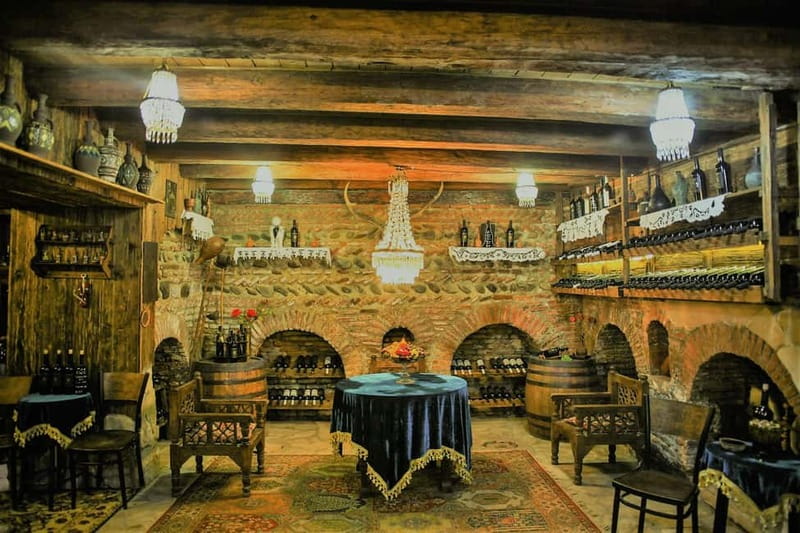
The five wines and Georgian cheese plate are included. Additional food and drinks are not.
That distinction matters for planning. If you are hungry, eat beforehand or arrange dinner afterward. The cheese supports the tasting, but the supplied details do not present it as a full meal.
Transportation is not listed among the included features. The experience takes place in Tbilisi, but you should check the meeting details and plan your own way there unless your booking confirmation says otherwise.
The activity is offered in English and Russian, with a group limit of six. It also offers free cancellation up to 24 hours in advance and a reserve-now, pay-later option. Those terms are useful if your Tbilisi schedule may change, but check the conditions shown for your selected booking time.
Is The Tasting Good Value?
No price is provided here, so I cannot judge the exact cost in currency. I can judge what you receive for the time: five local wines, a Georgian cheese plate, a small group, a historic cellar, and a guided introduction to a UNESCO-recognized tradition.
That is a strong package for someone who wants a compact cultural activity in Tbilisi. The value is not only in the amount of wine. It comes from tasting limited-edition bottles in a historic setting and having a host explain why they matter.
The value is weaker if your main goal is quantity or a full meal. You are paying for context, access, and comparison, not simply for five drinks. Before booking, compare the price with your own plans for an evening of wine and food. If you would otherwise buy several Georgian wines without knowing what to choose, the guided format may save you from a few poor choices.
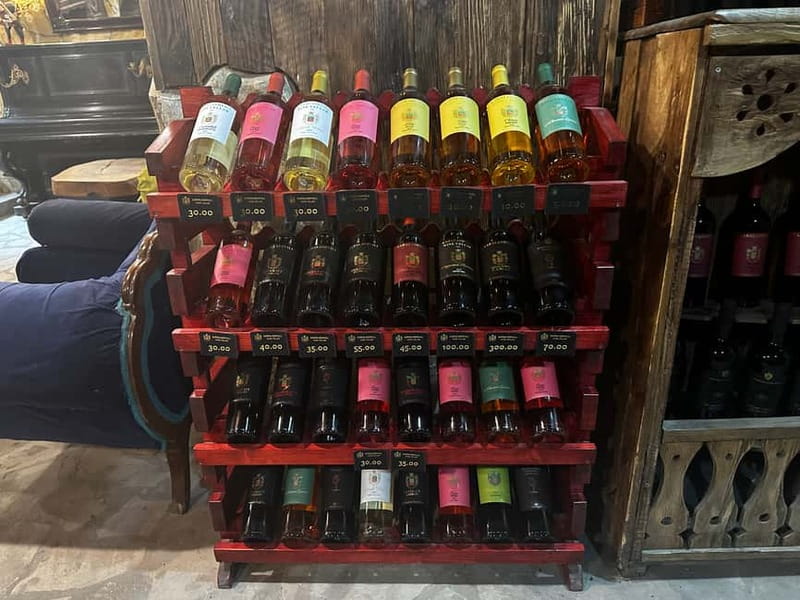
The option to buy bottles afterward may appeal to you, especially since two particularly enjoyable bottles were taken home after one visit. That possibility is not a promised part of the package, so ask the host about purchasing wine if you find a favorite.
Practical Tips For A Better Visit
Arrive ready to ask questions. With a group of no more than six, you have a good chance to ask about the grape varieties, production style, cellar, and the family tradition behind the wines.
Do not schedule a heavy meal immediately before the tasting. A light meal is sensible, but arriving too full can make five samples less enjoyable.
Leave room in your plans after the activity. You may want to continue with dinner, and you should not assume the cheese plate replaces a meal.
If you hope to buy a bottle, bring a way to carry it safely and ask whether the cellar offers the particular wine you liked. The available details confirm that limited-edition bottles are featured, but they do not guarantee stock after every tasting.
Finally, check the language and start time before confirming. English and Russian are available, and departure times depend on the date and availability.
Should You Book This Tbilisi Wine Tasting?
I would book it if you want a short, personal introduction to Georgian wine without leaving Tbilisi. The 200-year-old cellar, five local wines, cheese pairing, and small group give the hour a clear sense of place. Teona and Dima also add the kind of human guidance that can turn a simple tasting into a useful part of your Georgia trip.
I would skip it if you want a full Georgian meal, a countryside vineyard visit, or an all-day wine program. For everyone else, especially first-time visitors and curious wine drinkers, this is a sensible way to meet Georgia’s wine culture in a manageable format.
FAQ
How long does the Tbilisi wine tasting last?
The tasting lasts one hour. Starting times vary, so you need to check availability for your chosen date.
How many wines are included?
Five glasses of local Georgian wine are included, with a focus on limited-edition wines.
Is food included with the wine tasting?
A Georgian cheese plate is included. Additional food and drinks are not included.
What languages are available?
The host or greeter can provide the experience in English or Russian.
Can children attend the tasting?
No. The activity is not suitable for children under 18. The legal drinking age in Georgia is 18.
Can I cancel the booking?
You can cancel up to 24 hours in advance for a full refund. A reserve-now, pay-later option is also available, subject to the booking terms.
More History Tours in Tbilisi
- Tbilisi: Guided Walking Tour of Historic City
★ 4.9 · 156 reviews - Mtskheta, Jvari, gori, uflistsikhe, history and panorama (group tours)
★ 4.5 · 107 reviews - Tbilisi old town & soviet heritage – Private driver-guided Tour
★ 5.0 · 83 reviews - Private Wine tasting in Historic Karalashvili Wine Cellar
★ 5.0 · 60 reviews
More Food Tours in Tbilisi
- Old Tbilisi Tour: Private Walking Tour With Wine Tasting
★ 5.0 · 273 reviews - Private Tbilisi Food Tour: 9 Tastings Walk in Bohemian District
★ 5.0 · 227 reviews - Tbilisi Food Tour in a Local Family
★ 5.0 · 113 reviews - Private Wine Tasting in Prince Karalashvili Wine Cellar. Tbilisi
★ 5.0 · 63 reviews
Just added near Tbilisi
- Wine Tasting feel the Difference of Qvevri or Classical Wine★ 4.4 · 10 reviews
- Walking Tour in Old Tbilisi – Group Tour★ 4.5 · 8 reviews
- From Tbilisi: Kakheti and Kazbegi 2-Day 4X4 Jeep Tour pack★ 5.0 · 6 reviews
- Tbilisi: Vintage Fashion and Secondhand Thrifting Tour★ 5.0 · 11 reviews
- Uforgatable Kakheti Tour with wine tasting – in Georgia★ 4.9 · 5 reviews
- From Tbilisi: Uplistsikhe Caves and Mtskheta Town Day tour★ 5.0 · 2 reviews
- Tbilisi Airport to Gudauri, Bakuriani, Batumi, Tbilisi★ 5.0 · 3 reviews
- Private Adorable City Tour of Tbilisi★ 5.0 · 3 reviews
Historical Tours, compared.


Mtskheta, Jvari, gori, uflistsikhe, history and panorama (group tours)
Read our review →
Tbilisi old town & soviet heritage – Private driver-guided Tour
Read our review →
Private Wine tasting in Historic Karalashvili Wine Cellar
Read our review →
Browse the lists this tour appears in