
Reviewed · KHACHAPURI AND KHINKALI CLASSES
Small-Group Khinkali and Khachapuri Cooking Class in Tbilisi
Fold, fill, eat, repeat. This two-hour Georgian cooking class gives you a friendly introduction to khinkali dumplings and Imeretian khachapuri, with wine, salad, farm cheese, and a full meal included. I like the central downtown location and the chance to meet people around a shared table. I also like that the chef explains the small tricks behind shaping khinkali, rather than simply handing you a finished plate.
The price, about $27.50 per person, is excellent for a meal plus instruction. The main catch is important: this is held in a restaurant dining area, not the kitchen, and the advertised group limit of six has not always been followed. If you want a polished, fully hands-on kitchen lesson, adjust your expectations.
In This Review
- Quick take: what matters most
- Two Georgian classics on one plate
- Arriving at St. Bunny31 on Griboedov Street
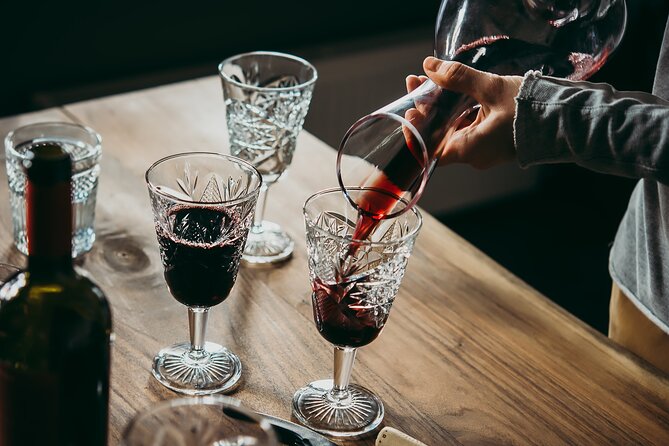
- The opening spread: wine, salad, and cheese
- Making khachapuri from dough to cheese
- Folding khinkali, the class’s best lesson
- Stories, jokes, and Georgian food culture
- How the group size changes the experience
- Timing, pace, and organization
- Is $27.50 a good price?
- Who should book this class?
- Practical details before you book
- Should you book the Khinkali and Khachapuri class?
- FAQ
- How long does the cooking class last?
- Where does the class begin and end?
- What food and drinks are included?
- Is the class held in a kitchen?
- How many people can join the class?
- Can I cancel for a full refund?
Quick take: what matters most
- You shape Georgian dumplings by hand: The khinkali folding lesson is the most practical and memorable part.
- Khachapuri is made in the Imeretian style: You prepare dough and cheese filling, then help assemble the bread.
- Wine and a full meal are included: Expect Georgian wine, tomato salad, farm cheeses, khinkali, and khachapuri.
- The class takes place in a restaurant hall: You cook at a table, while the staff handles the hot oven and boiling steps.
- Group size can vary: Six is the stated maximum, but some sessions have had 9, 10, 13, or even more participants.
- Central Tbilisi meeting point: Start at St. Bunny31 on Griboedov Street and finish there.
Two Georgian classics on one plate
This class focuses on two dishes you will see everywhere in Georgia.
Khinkali are large soup dumplings, usually filled with veal, though cheese and mushroom fillings may also be used. The dough is folded into a cinched pouch, and the finished dumpling holds hot broth inside. You eat it with care, usually by gripping the top knot, taking a small bite, and sipping the juices before finishing the rest.
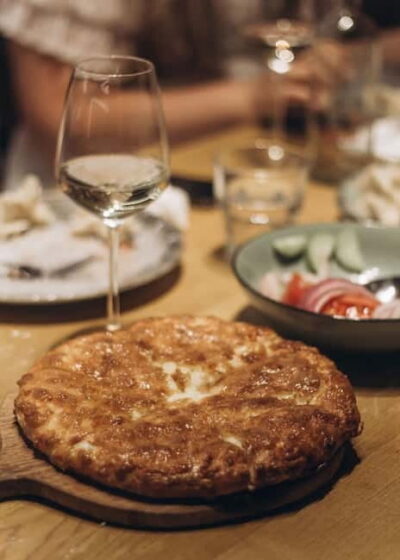
Khachapuri is Georgia’s famous cheese bread. This session prepares Imeretian khachapuri, a round bread filled with cheese. It is different from the boat-shaped Adjarian version topped with egg and butter, so do not expect the dramatic open boat seen in many Tbilisi bakeries.
That distinction is useful. You are not just making generic cheesy bread. You are learning one of Georgia’s traditional regional styles, with a soft center and cheese tucked inside the dough.
More khachapuri and khinkali classes in Tbilisi:
- Tbilisi: Georgian Cooking Class with Khinkali and Khachapuri
★ 4.7 · 1,146 reviews - Cook True Ajarian Khachapuri and Khinkali in Highlanders Style
★ 5.0 · 93 reviews - Taste of Kakheti: Wine Tour Bread Baking & Churchkhela Workshop
★ 4.5 · 46 reviews
Arriving at St. Bunny31 on Griboedov Street
The meeting point is St. Bunny31, a restaurant on Griboedov Street in central Tbilisi. The location is near public transportation, which makes it practical for a short city break. You do not need to arrange a separate ride to a distant cooking school or private home.
The setting also shapes the experience. You sit at a restaurant table rather than working at individual kitchen stations. That makes the class social and relaxed, but it limits how much of the process each person can perform.
The room may feel cozy when the group is small. With a larger class, table space becomes more important. Some participants have had plenty of room and personal attention, while others have found the session crowded, particularly when the class ran above the stated six-person limit.
The opening spread: wine, salad, and cheese
The class begins with Georgian wine, a fresh vegetable salad, and a plate of farm cheeses. The salad is made with Georgian tomatoes, which are presented as a special part of the meal rather than a plain side dish.
This opening food does two jobs. It gives you something to enjoy while the cooking gets organized, and it turns the class into lunch or dinner instead of a short demonstration. Several portions of the experience are paced around waiting for dough, fillings, or cooked food, so the wine and shared dishes help keep the table lively.
The amount of salad and cheese depends on the size of the group. In a small session, the portions can feel generous. When the group is much larger, shared plates may seem modest. Wine is included, but the available choice may not always be flexible. Red wine has been served in some sessions without a choice between red and white, so keep that in mind if you do not drink red wine.
Making khachapuri from dough to cheese
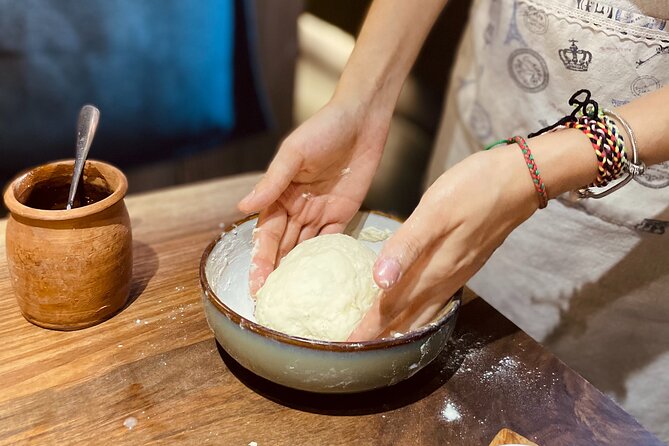
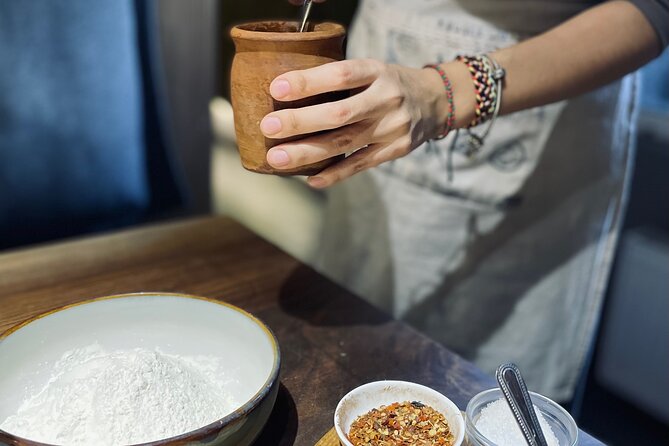
The khachapuri portion begins with the dough and filling. You prepare the dough yourself, make the cheese mixture, spread the cheese, and shape the bread before it is finished in the restaurant kitchen.
This is one of the more hands-on parts of the class. You get to feel how soft the dough should be and see how much cheese belongs inside. The process is simple enough for beginners, but the results still feel satisfying because you have built the dish from basic ingredients.
There is an important practical limitation. The hot cooking stage happens behind the scenes. You do not put the khachapuri into the oven yourself, and you may not make a full individual bread from start to finish if the group is large. Instead, participants take turns with parts of the preparation.
That arrangement is partly a matter of restaurant and food-safety rules. It also keeps the lesson manageable. Still, if your ideal class means each person prepares, cooks, and plates a separate dish, this will feel like a partial cooking lesson rather than a full kitchen workshop.
More Georgian cooking classes in Tbilisi:
- Tbilisi: Cooking Class with a Local Family
★ 5.0 · 104 reviews - Nana’s Kitchen – traditional Georgian cooking class at real Georgian family home
★ 5.0 · 37 reviews - Join a Local for a Market Tour, Cooking Class and Meal in her Tbilisi Home
★ 5.0 · 15 reviews - Taste of Georgia. Cooking-Class Khinkali, Khachapuri and more
★ 5.0 · 7 reviews
Folding khinkali, the class’s best lesson
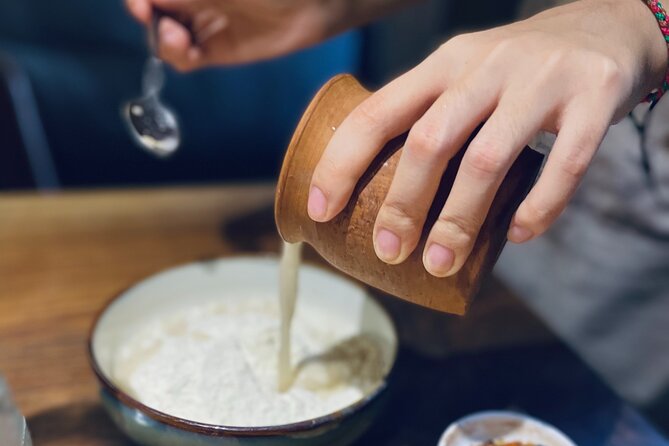
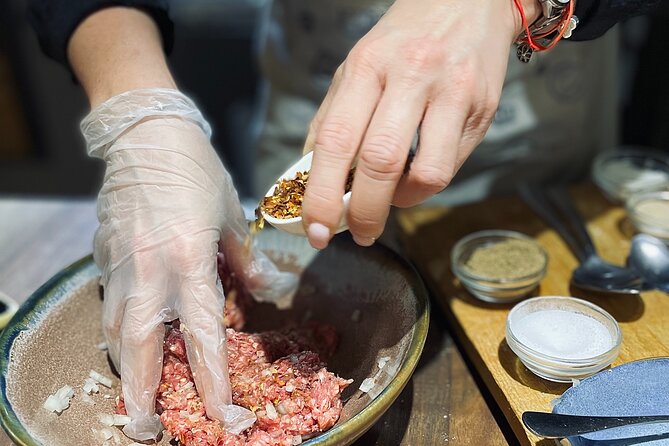
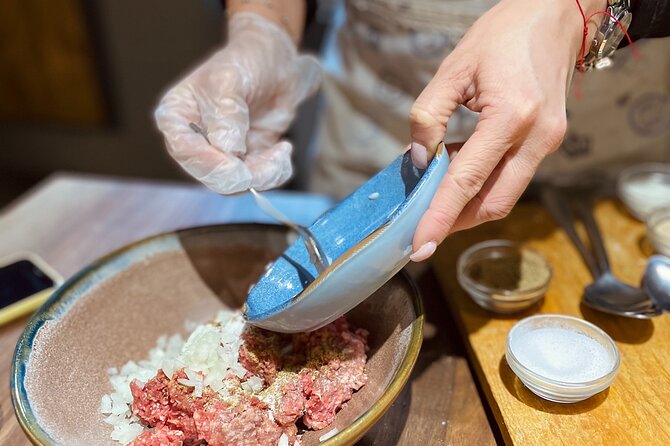
The khinkali session is where the class earns much of its appeal. The chef explains the filling and the small details that help the dumpling hold together. You then practice folding the dough into the traditional gathered shape.
The folds can look easy when an experienced cook does them. Your first dumpling may look more like a wrinkled purse than a Georgian masterpiece. That is part of the fun. The instructors, including Seva, Artem, and Vladimir in different sessions, have been praised for patience, humor, and clear step-by-step guidance.
One detail needs clarification: the dough has not always been prepared by participants. Some sessions use dough prepared in advance, while participants make or handle the filling and practice the folding. The class still teaches the technique, but it does not always cover every stage from flour and water to cooked dumpling.
The finished khinkali are cooked by the restaurant team and brought back to the table. You then learn the safest and most traditional way to eat them. Come hungry. Dumplings and cheese bread add up to a substantial meal, especially with the salad and cheese plate.
Stories, jokes, and Georgian food culture
The chef does more than read out a recipe. The instruction is mixed with stories about Tbilisi, the origins and traditions of the dishes, and the customs surrounding Georgian meals.
Seva has been praised for explaining Georgian feasts and toasting traditions with warmth and humor. Artem has been singled out for friendly teaching and background about the dishes. Vladimir has also been credited with making the evening lively and welcoming.
The amount of cultural explanation can depend on the chef and on how busy the session is. When the timing works well, you get more than a recipe. You begin to understand why Georgian food is built for sharing, why bread and cheese appear so often, and why a meal can become a social event rather than a quick stop between sightseeing visits.
At other times, waiting periods have felt unstructured. Some sessions have had pauses while staff brought ingredients or moved food in and out of the kitchen. If the chef is also helping another class, personal instruction may be reduced.
How the group size changes the experience
The stated maximum is six participants, and that would be the ideal size for this format. A small group gives you more turns with the dough, filling, and shaping. It also makes it easier to ask questions and watch the chef’s hands.
In practice, class sizes have varied. Some sessions had only two people, which created an especially personal lesson and left plenty of food for the table. Other sessions had 9, 10, 13, or more participants. One especially crowded class reportedly had around 25 people, with another class running at the same time.
That difference matters more here than it would on a walking tour. At a restaurant table, the number of hands competing for dough and filling directly affects your participation. A larger group can still be fun and social, but you may only prepare one part of the recipe and watch more of the rest.
If group size is important to you, ask for confirmation before booking and again when you arrive. The advertised limit should be treated as a goal, not a guarantee based on the varying sessions described.
Timing, pace, and organization
The published duration is about two hours. That is enough time for a relaxed meal and basic instruction, but some sessions have lasted closer to three hours, particularly when dining time is included.
The best sessions appear to move in a simple rhythm: introduction, wine and shared plates, khachapuri preparation, khinkali shaping, cooking, and eating. The less successful ones have started late or involved long waits between steps.
One class began about 25 minutes late. In another, the same chef was handling multiple groups, which meant the instructor was not present for the full session. There have also been reports of food being misplaced or not reaching the table, though these do not reflect every class.
Plan this as a flexible afternoon or evening activity, not as a tightly timed stop between two reservations. If you have a museum ticket or airport transfer immediately afterward, leave extra time.
Is $27.50 a good price?
Yes, for most people, the price is strong. At about $27.50, you receive instruction in two famous Georgian dishes, wine, salad, cheese, and the food you prepare. In Tbilisi, that is a useful combination of meal and cultural activity.
The value is best when the group remains small and the class runs on time. You get more personal help and a greater share of the preparation. Even in a larger group, the price can make sense if you mainly want to taste the dishes, learn the basic folding technique, and enjoy a sociable meal.
The value drops if you book specifically for serious cooking practice. You will not necessarily make all the dough, cook the food yourself, or receive equal hands-on time. The restaurant setup means the kitchen staff handles the boiling and baking.
I would compare this with the price of a normal Georgian meal, then add a modest charge for instruction and conversation. By that measure, it is a good deal, particularly for solo visitors, couples, and families who want an easy food activity in central Tbilisi.
Who should book this class?
I would recommend it to first-time visitors who want an introduction to Georgian food without committing to a long culinary course. It is also a good fit for solo visitors because the shared table makes conversation easy.
Families can do well here, too. A session included two adults and children aged two and eight, with a full meal and wine for the adults. Young children may not follow every step, but shaping dough is accessible and entertaining.
This class suits you if you value:
- A casual restaurant setting
- A full meal rather than a short demonstration
- A social activity with wine
- Simple instruction for beginners
- Learning how to shape khinkali
- A central Tbilisi location
You may want another class if you need a professional kitchen, strict six-person groups, individual cooking stations, or detailed instruction on Georgian food culture. The class is friendly and tasty, but it is not a chef-training workshop.
Practical details before you book
The experience is offered in English, and confirmation is provided at booking. Service animals are allowed, and the meeting point is near public transportation.
Wear something comfortable and avoid clothing you would hate to mark with flour or cheese. No special cooking background is needed. The most useful tip is simple: arrive hungry and avoid scheduling a heavy meal right afterward.
Free cancellation is available until 24 hours before the local start time. Cancellations made inside that window are not refunded, and late changes are not accepted.
Should you book the Khinkali and Khachapuri class?
Book it if you want a low-cost, friendly taste of Georgian cooking with enough food to count as a meal. The khinkali folding lesson, Georgian wine, and patient instructors are the strongest reasons to go, and the central location makes the activity easy to fit into a Tbilisi visit.
Go in knowing what it is. You will prepare important parts of the dishes, but the session takes place in a restaurant hall, not a kitchen, and the hottest cooking steps are handled by staff. Confirm the expected group size if personal attention matters to you.
For $27.50, I think it is a worthwhile choice for curious eaters, families, and solo visitors. Just treat it as a social food workshop rather than a fully hands-on culinary course.
FAQ
How long does the cooking class last?
The advertised duration is approximately two hours. Some sessions have lasted closer to three hours when cooking and dining time were included.
Where does the class begin and end?
It begins at St. Bunny31 on Griboedov Street in Tbilisi and ends back at the same meeting point.
What food and drinks are included?
The class includes Georgian wine, a vegetable salad made with Georgian tomatoes, farm cheeses, khinkali, and Imeretian khachapuri.
Is the class held in a kitchen?
No. The class takes place in the restaurant hall at a table. The kitchen staff handles the hot cooking stages, including boiling and baking.
How many people can join the class?
The stated maximum is six participants. Some sessions have had larger groups, so you should confirm the expected group size if that is important to you.
Can I cancel for a full refund?
Yes. You can cancel at least 24 hours before the experience starts for a full refund. Cancellations or changes made less than 24 hours before the local start time are not accepted.
Just added near Tbilisi
- Wine Tasting feel the Difference of Qvevri or Classical Wine★ 4.4 · 10 reviews
- Walking Tour in Old Tbilisi – Group Tour★ 4.5 · 8 reviews
- From Tbilisi: Kakheti and Kazbegi 2-Day 4X4 Jeep Tour pack★ 5.0 · 6 reviews
- Tbilisi: Vintage Fashion and Secondhand Thrifting Tour★ 5.0 · 11 reviews
- From Tbilisi: Uplistsikhe Caves and Mtskheta Town Day tour★ 5.0 · 2 reviews
- Uforgatable Kakheti Tour with wine tasting – in Georgia★ 4.9 · 5 reviews
- Tbilisi Airport to Gudauri, Bakuriani, Batumi, Tbilisi★ 5.0 · 3 reviews
- Private Adorable City Tour of Tbilisi★ 5.0 · 3 reviews
Khachapuri and Khinkali Classes, compared.
Georgian Cooking Class with Khinkali and Khachapuri
Read our review →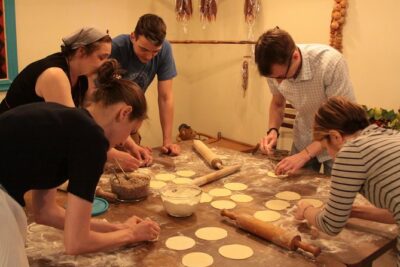
Cook True Ajarian Khachapuri and Khinkali in Highlanders Style
Read our review →
Taste of Kakheti: Wine Tour Bread Baking & Churchkhela Workshop
Read our review →
One Day Kakheti Tour with Wine Tasting and Free Churchkhela
Read our review →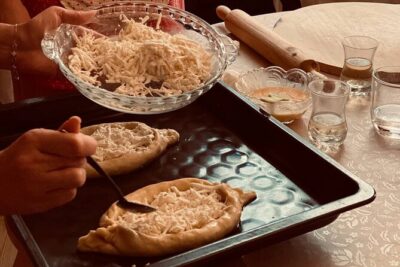
Taste of Georgia. Cooking-Class Khinkali, Khachapuri and more
Read our review →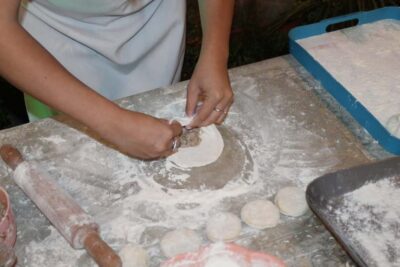
Batumi Khinkali: Hands-On Masterclass with a Local Master
Read our review →
Military Road Marvels: Ananuri, Kazbegi & Khinkali Masterclass
Read our review →
Kazbegi and Khinkali – the ultimate mountain experience tour
Read our review →Browse the lists this tour appears in