
Reviewed · COOKING CLASSES
Tbilisi: Cooking Class with a Local Family
Come hungry, leave with Georgian recipes. This three-hour cooking class takes you into a local family home in Tbilisi, where Shorena, a cook from western Georgia with more than 30 years of experience, teaches you to prepare classic dishes. I like the hands-on format and the chance to eat in a real home rather than a restaurant. I also like the guide’s role as translator and cultural storyteller. The main point to consider is that the host may speak little English, so the quality of the experience depends partly on your assigned guide.
You will make khinkali dumplings, khachapuri, eggplant with walnuts, Georgian salad, and mchadi cornbread, then sit down to eat what you prepared with Sulguni cheese, homemade wine, and chacha. Guides such as Maria, Ana, Nicolas, Salome, Beka, and Nini have been praised for making the class clear and lively. The return transportation is not included, so check how you will get back before you settle in for the feast.
In This Review
- Key points to know before you book
- Why Georgian food makes a good cooking lesson
- Meeting at Avlabari and heading to the family home
- Meeting Shorena and learning the family style
- Folding khinkali and handling the main dishes
- The final Georgian feast with wine and chacha
- What the three hours are really worth at $55
- Who will enjoy this most
- Practical details that can improve your evening
- Should you book Shorena’s Magic Kitchen?
- FAQ
- How long does the Tbilisi cooking class last?
- Where do I meet the group?
- Is transportation included?
- What food will I learn to prepare?
- Will I eat the food I prepare?
- Are drinks included?
- Is there a vegetarian option?
- Is the class taught in English?
- What should I bring?
Key points to know before you book
- Cook in a Georgian family home: You meet a local family and learn food traditions in a personal setting, sometimes with a garden, grapevines, or family members nearby.
- Make the famous dishes yourself: Khinkali, khachapuri, eggplant with walnuts, salad, and mchadi form the core of the class.
- English support comes from the guide: The host may speak mostly Georgian, while the guide translates instructions and explains culture, history, and regional food customs.
- The meal is part of the lesson: After cooking, you eat the dishes together with Sulguni cheese, wine, water, and chacha.
- Good for solo visitors and families: The shared table helps solo participants join a group, and the cooking tasks are simple enough for people with little kitchen experience.
- Plan for the ride home: Transport from Avlabari Metro Station to the family home is included, but transport back is not.
Why Georgian food makes a good cooking lesson
Georgian food is easy to enjoy at a restaurant, but cooking it gives you a better sense of how the meal fits together. Cheese-filled bread, folded dumplings, walnut sauces, fresh vegetables, and corn-based bread show several sides of the country’s cooking in one sitting.
The menu also gives you useful variety. Khinkali teaches you about dumpling folding and filling. Khachapuri shows how Georgian cooks work with cheese and bread. Eggplant with walnuts brings in one of the country’s favorite combinations, while mchadi adds a simple corn dish to the table.
You are not only watching a chef perform. You take part in preparing the food, then taste the results at dinner. That makes the class more useful than a standard food tasting if you want to remember Georgia through something you can try at home.
The class is especially helpful early in your Tbilisi stay. After learning the names and flavors of the dishes, you will recognize them on restaurant menus and have a better idea of what to order. If you take the class near the end of your trip, it works as a farewell meal and a practical way to understand foods you have already encountered.
More Georgian cooking classes in Tbilisi:
- Tbilisi: Georgian Cooking Class with Khinkali and Khachapuri
★ 4.7 · 1,146 reviews - Small-Group Khinkali and Khachapuri Cooking Class in Tbilisi
★ 4.5 · 224 reviews - Nana’s Kitchen – traditional Georgian cooking class at real Georgian family home
★ 5.0 · 37 reviews
Meeting at Avlabari and heading to the family home
The meeting point is in front of Avlabari Metro Station at 17:30. Look for a representative holding a branded orange flag. This is a clear meeting arrangement, but allow enough time to find the correct station exit and arrive before the scheduled meeting time.
Transport from the meeting point to the local family is included. The exact setting can vary, but the experience takes place in a traditional family home rather than a commercial cooking school. One account describes arriving at a garden with grapevines and plum trees, which gives you an idea of the setting you might find.
That change of scene matters. A restaurant kitchen can teach technique, but a family home shows you the social side of Georgian food. Georgian meals are often connected with hospitality, long conversation, wine, and toasts. You get a closer look at that tradition here than you would during a quick restaurant dinner.
The return journey requires more attention. Transportation from the home is not included in the stated package, and one participant found the return arrangements poorly organized. Ask the guide about your options before the class ends, especially if you have an evening train, a show, or another fixed booking.
Meeting Shorena and learning the family style
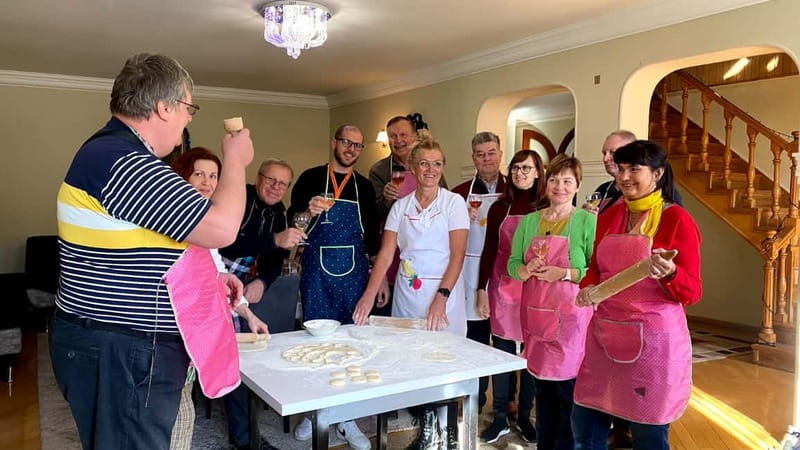
Shorena is from western Georgia and has more than 30 years of cooking experience. She leads the kitchen work, showing you how the dishes are prepared in a home setting rather than presenting a polished demonstration from a distance.
You may find that some preparation has already been done. One account noted that the cooking was relatively easy because several steps were prepared in advance. That is good news if you are not confident in the kitchen, but it also means this is not always a full from-scratch masterclass for every dish.
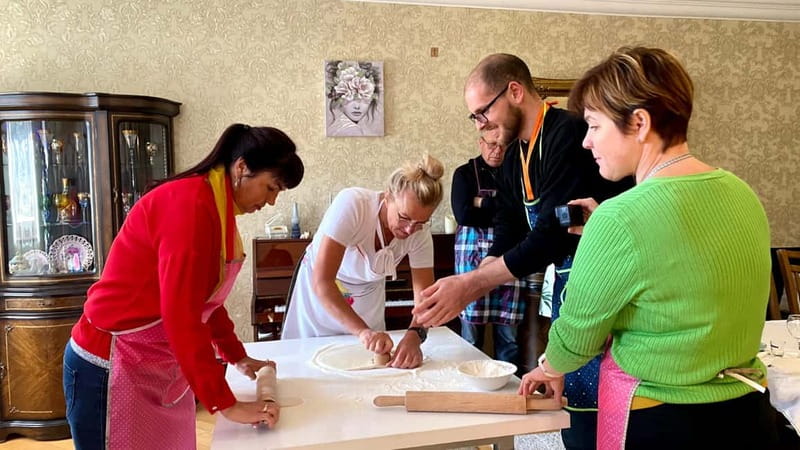
For example, the main work may involve shaping, filling, mixing, and assembling rather than making every dough from the beginning. One participant specifically noted that the group did not prepare the khinkali dough itself, although they handled most of the other work. If making pastry from raw ingredients is your main goal, ask how much preparation you will personally do.
The advantage is a reliable result. You get to participate without spending the whole evening waiting for dough to rise or ingredients to cook. By the time you sit down, the food is likely to be plentiful and ready to eat.
English communication is handled by the live guide. Shorena may speak Georgian and only a few words of English, so the guide translates the steps. That arrangement can work very well. Nicolas, Maria, Ana, Oki, Nini, Salome, and Beka have each been praised for explaining the food and keeping conversation moving.
The guide can also add context that a recipe alone cannot provide. Nicolas was praised for discussing food, culture, history, current events, and traditional dance. Other guides explained regional differences, food customs, and the place of wine and chacha in Georgian life. Your guide will shape a fair amount of the evening, so the experience may feel slightly different from one date to another.
Folding khinkali and handling the main dishes
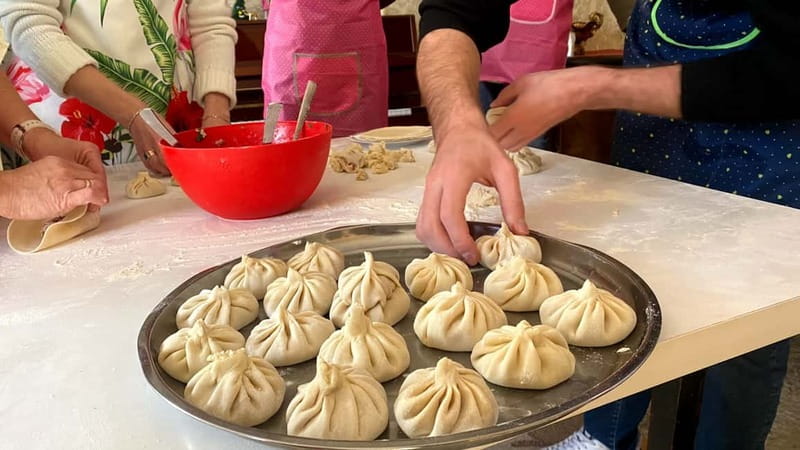
Khinkali is the dish most people want to learn. These Georgian dumplings are usually filled, folded, and cooked so that the finished parcel holds both meat or another filling and flavorful juices. The class gives you a chance to work with the dumpling shape rather than simply ordering it in a restaurant.
You will likely need patience at first. Folding neat khinkali takes practice, but the class is designed for participation, not competition. The guides explain the method and help you through it, so you do not need advanced cooking skills.
Khachapuri brings a different kind of kitchen task. This famous Georgian bread is filled with cheese, and some sessions have included two types. Sulguni, a popular Georgian cheese, is also served during the meal. The combination gives you a useful introduction to Georgia’s love of bread, dough, and salty cheese.
Eggplant with walnuts is another important part of the menu. Georgian cooks often pair walnuts with herbs and vegetables, creating a spread or filling with a texture very different from the dumplings and bread. The dish helps keep the meal from becoming all dough and cheese.
Mchadi is a corn-based bread, sometimes fried or cooked as small cakes. It adds a simple, earthy element to the table. You also prepare a Georgian salad, usually built around fresh vegetables, so the final meal has some freshness beside the richer dishes.
The advertised menu lists six foods, while individual sessions may include variations such as ajapsandali, a vegetable stew, or eggplant pkhali. The exact selection can depend on the host and the day. If you have your heart set on one particular dish, confirm the menu when you book.
More Tbilisi days to weigh up
- Tbilisi: Day Trip to Kazbegi, Gudauri, Gergeti, and Ananuri
★ 4.9 · 3,203 reviews - Day Trip to Kakheti Wine Region Including 9 Wine Tastings
★ 5.0 · 2,774 reviews - Highlights of Caucasus Mountains-Jinvali,Ananuri,Gudauri,Kazbegi(Group tour)
★ 5.0 · 2,682 reviews - From Tbilisi: Kakheti Wine Region Tour with 9 Wine Tastings
★ 4.9 · 2,541 reviews
The final Georgian feast with wine and chacha
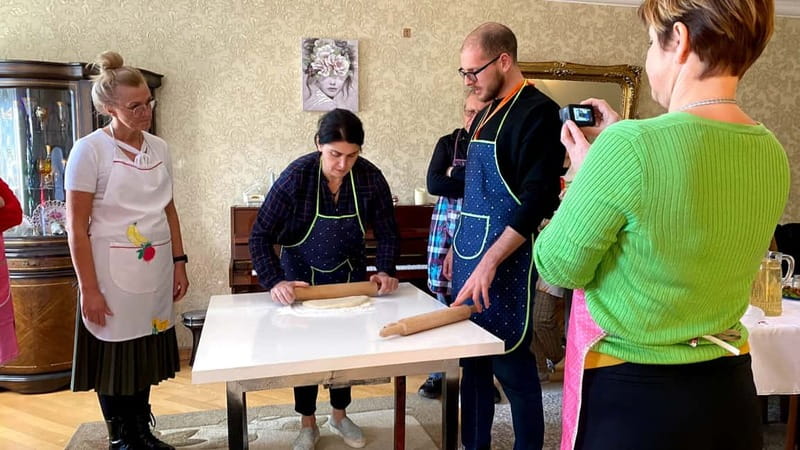
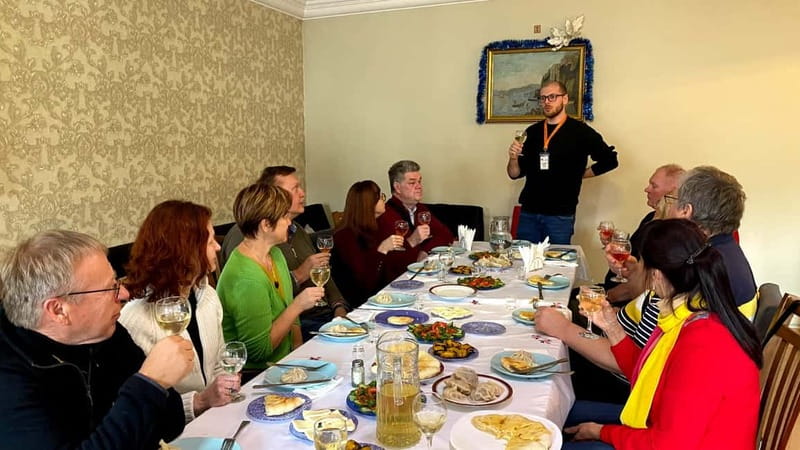
The class ends with dinner, and this is more than a quick sample of your cooking. You sit together and eat the food prepared during the lesson. Several accounts describe enough food for far more people than the group itself, so arriving hungry is sensible.
The meal includes popular Sulguni cheese, homemade dry white wine, water, and homemade Georgian vodka called chacha. Some sessions have included two wines and a shot of chacha. The drink service adds a social side to the class, though the alcohol may not suit everyone.
One participant found the wine and chacha below expectations. That is worth keeping in mind. Homemade drinks can be part of the charm, but quality and style may vary. You can ask for water, and a vegetarian option is available if requested ahead of time.
Beka has been praised as a traditional Georgian toast master. When he leads the evening, you may hear stories, music, and several toasts with dinner. This can be one of the most memorable parts of the event if you enjoy long meals and social customs.
It can also make the evening feel less structured than a standard restaurant meal. Georgian hospitality tends to favor lingering at the table, so do not book another activity immediately afterward. The stated duration is three hours, but a generous meal and conversation can make the time feel full.
What the three hours are really worth at $55
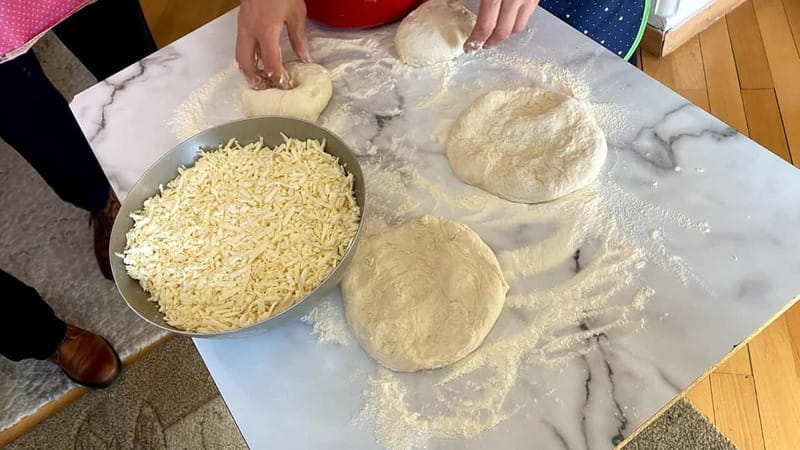
At $55 per person, the price covers a guide, transport from Avlabari to the family home, six foods, the cooking lesson, wine, chacha, water, and dinner. Compared with paying separately for a restaurant meal and a short demonstration, this is a fair package if you value the home setting and personal instruction.
The strongest value comes from the combination of activities. You are not paying only for food. You are paying for access to a local household, help from an English-speaking guide, a cooking lesson, a full meal, and cultural conversation.
The value is lower if you want a technical cooking school with every ingredient measured and every dough made from scratch. Parts of the preparation may already be complete, and the host’s limited English means you rely on translation. Still, the relaxed format is likely to suit most people who want to learn, eat, and meet locals rather than earn a cooking certificate.
The price also works well for solo visitors. One person joined a group and found it enjoyable, with the shared meal making it easy to meet others. Couples and families can take part together, and the simple tasks mean children or beginners may enjoy the activity, though the supplied information does not specify a minimum age.
Who will enjoy this most
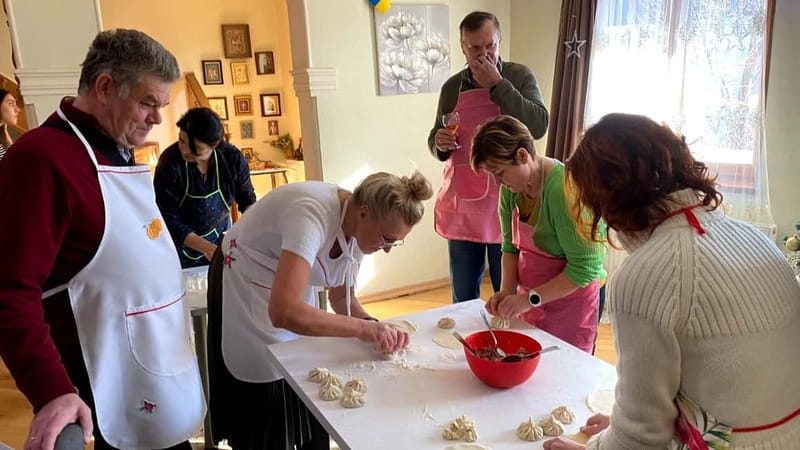
I would choose this class if you want food to be your way into Georgian culture. You will get more than a list of ingredients, since the guide may explain traditions, regional food, music, family life, and national customs while you cook and eat.
It suits people who enjoy participation but do not need a demanding kitchen challenge. You will make the dishes yourself, yet some preparation may be done in advance, which keeps the class manageable.
Solo visitors are a good match because the group meal gives the evening a social shape. Couples can use it as a relaxed dinner with a local angle, and families can divide up the cooking tasks.
Vegetarians can request an option in advance. The supplied menu includes several naturally vegetable-based dishes, but you should still state your needs when booking rather than assume every part of the standard meal will be suitable.
This is less suitable if you dislike shared meals, alcohol, translation through a guide, or informal home settings. It may also disappoint you if you expect transportation back to Avlabari to be included or if you want a strictly timed class.
Practical details that can improve your evening
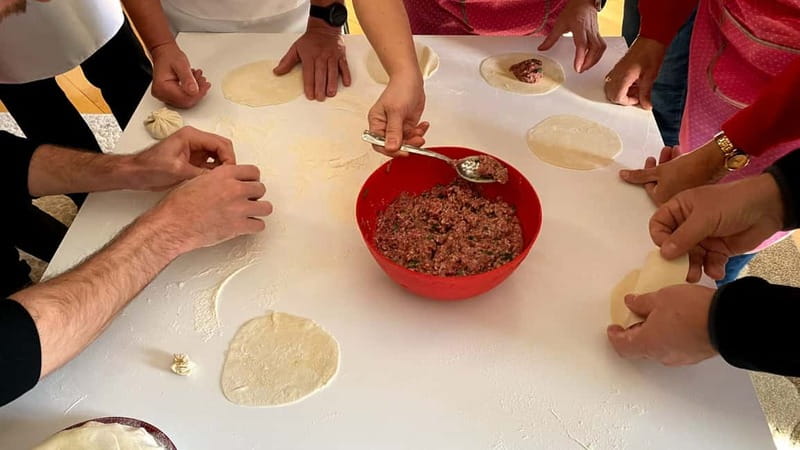
Bring a passport or ID card. The activity runs in rain or shine, so dress for the weather, especially if the family uses an outdoor garden area before or during the meal.
Wear clothes that are comfortable for cooking. The information does not give a formal dress code, but a home kitchen and hands-on food preparation call for practical clothing.
Arrive hungry, but not so hungry that you cannot enjoy the cooking. The meal is generous, and the class includes bread, cheese, dumplings, vegetables, wine, and chacha.
If you want to recreate the dishes, keep the recipe you receive. One participant also suggested buying spices and cheese at Dezerter Bazaar before flying home. That is a useful tip for anyone hoping to cook Georgian food for friends and family.
The tour is in English, but the guide may change. Names praised for clear explanations and warm company include Maria, Ana, Nicolas, Oki, Salome, Beka, Patti, and Nini. This is not a promise that you will receive a particular person, but it shows how important the guide is to the experience.
Free cancellation is available up to 24 hours before the activity for a full refund, and you can reserve now while paying later. Starting times should be checked for your chosen date.
Should you book Shorena’s Magic Kitchen?
I would book this for a friendly, food-focused evening that connects Georgian dishes with Georgian hospitality. The cooking is hands-on, the menu is broad, and the meal gives you a chance to talk with local people instead of simply eating in the tourist center.
The best reason to go is the mix of food and personal contact. You will shape khinkali, work with cheese and bread, prepare vegetable dishes, and then share the table with wine and conversation. Guides such as Nicolas, Maria, Ana, Salome, and Beka have helped make the cultural side as strong as the cooking.
Book with two cautions in mind: some preparation may be done before you arrive, and the ride home is your responsibility. If those points are acceptable, $55 is a solid price for three hours of cooking, dinner, drinks, transport to the home, and a glimpse into Georgian family life.
FAQ
How long does the Tbilisi cooking class last?
The activity lasts three hours.
Where do I meet the group?
Meet at Avlabari Metro Station at 17:30. A local partner representative will wait in front of the station with a branded orange flag.
Is transportation included?
Transportation from the meeting point to the local family home is included. Transportation from the family home afterward is not included.
What food will I learn to prepare?
The main dishes are khinkali dumplings, khachapuri, eggplant with walnuts, Georgian salad, and mchadi cornbread. The activity includes six foods, and some sessions have also included dishes such as ajapsandali or eggplant pkhali.
Will I eat the food I prepare?
Yes. After the cooking lesson, you eat the prepared food together.
Are drinks included?
Yes. The experience includes water, homemade wine, and homemade chacha. Sulguni cheese is also served.
Is there a vegetarian option?
Yes. A vegetarian option is available upon request.
Is the class taught in English?
The tour language is English. The English-speaking guide translates instructions from the local host and explains Georgian food and culture.
What should I bring?
Bring a passport or ID card. Since the activity operates in all weather, dress according to the forecast.
Just added near Tbilisi
- Wine Tasting feel the Difference of Qvevri or Classical Wine★ 4.4 · 10 reviews
- Walking Tour in Old Tbilisi – Group Tour★ 4.5 · 8 reviews
- From Tbilisi: Kakheti and Kazbegi 2-Day 4X4 Jeep Tour pack★ 5.0 · 6 reviews
- Tbilisi: Vintage Fashion and Secondhand Thrifting Tour★ 5.0 · 11 reviews
- Uforgatable Kakheti Tour with wine tasting – in Georgia★ 4.9 · 5 reviews
- From Tbilisi: Uplistsikhe Caves and Mtskheta Town Day tour★ 5.0 · 2 reviews
- Tbilisi Airport to Gudauri, Bakuriani, Batumi, Tbilisi★ 5.0 · 3 reviews
- Private Adorable City Tour of Tbilisi★ 5.0 · 3 reviews
Cooking Classes, compared.
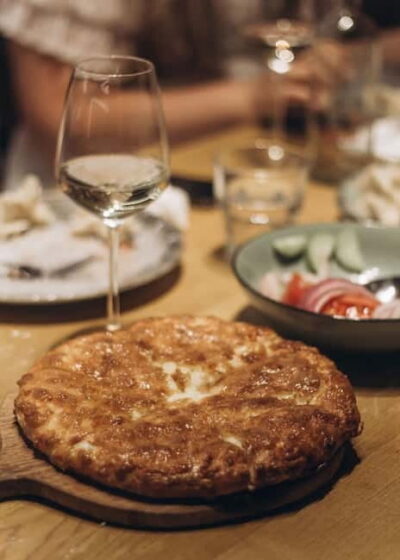
Georgian Cooking Class with Khinkali and Khachapuri
Read our review →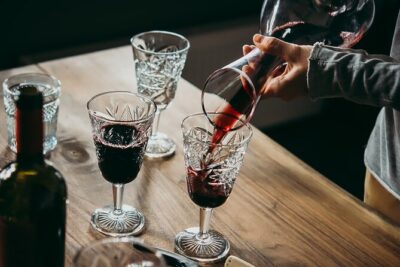
Small-Group Khinkali and Khachapuri Cooking Class in Tbilisi
Read our review →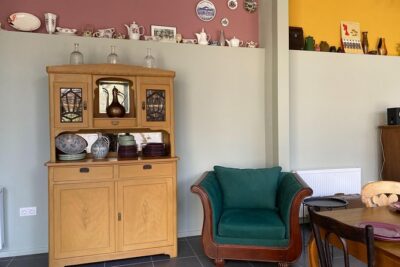
Nana’s Kitchen – traditional Georgian cooking class at real Georgian family home
Read our review →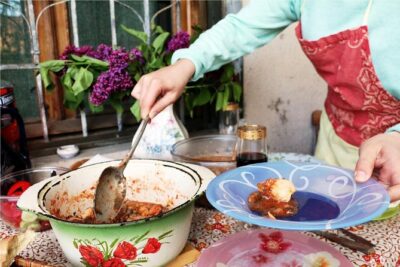
Join a Local for a Market Tour, Cooking Class and Meal in her Tbilisi Home
Read our review →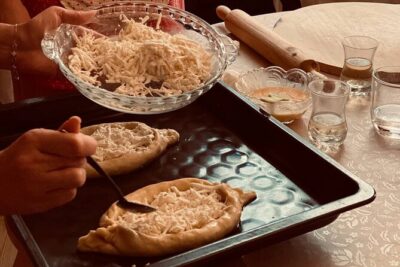
Taste of Georgia. Cooking-Class Khinkali, Khachapuri and more
Read our review →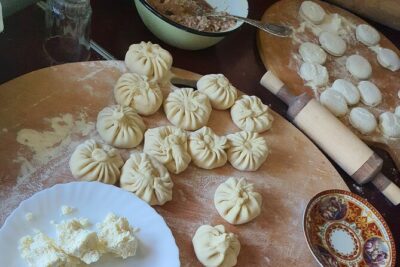
Exploring Heritage and Cuisine through Cooking Classes
Read our review →
Private Cooking Class with a Tbilisi Food and City Expert Dinara
Read our review →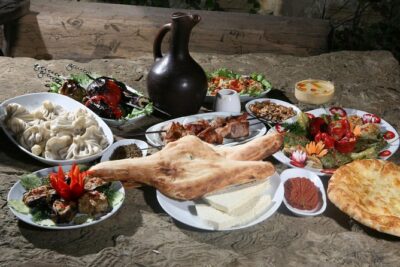
7-Day Georgian Wine and Culinary Private Tour with Cooking Class
Read our review →Browse the lists this tour appears in